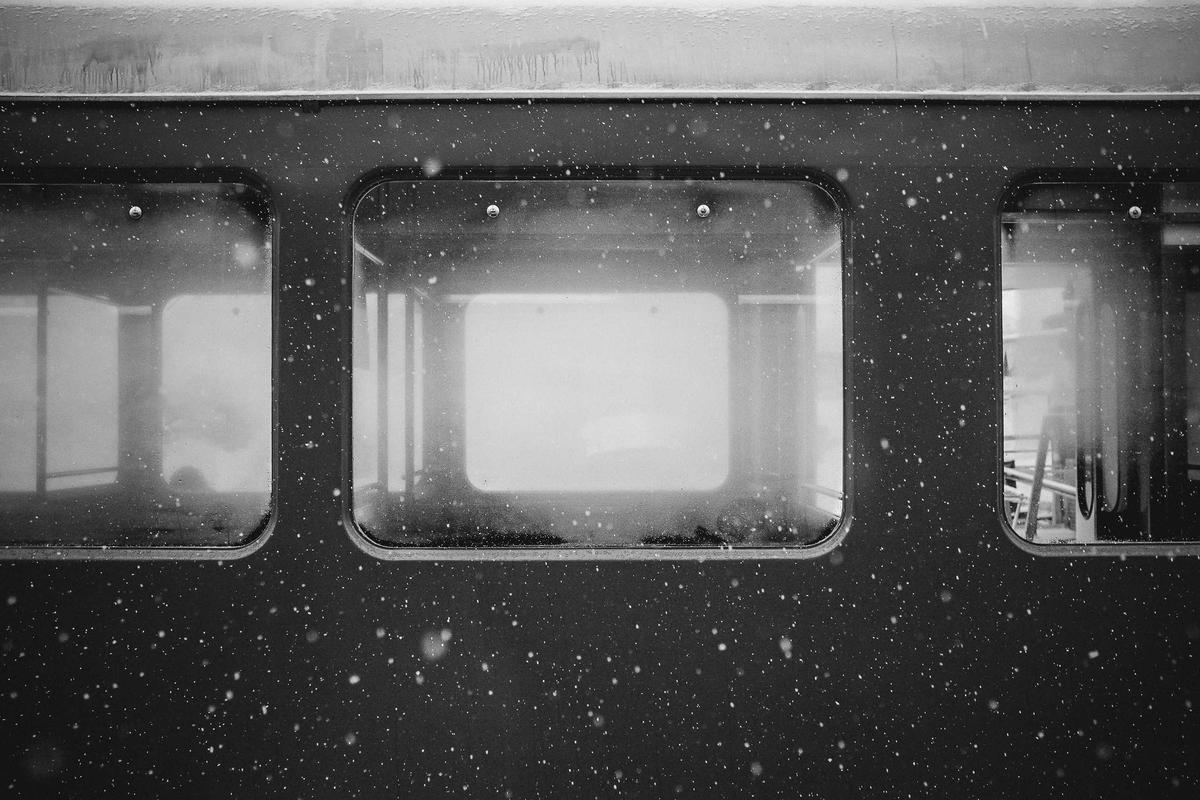
A tourist train overturned at a festival in Cártama, Spain, this afternoon, injuring 17 people. The incident occurred during a popular local fiesta where a small road train, known as a 'tren turístico', was transporting revellers around the grounds. Witnesses described a sudden lurch as the vehicle veered off a narrow path, tipping onto its side. Emergency services rushed to the scene, treating the injured for minor cuts, bruises and suspected fractures. Most were discharged from hospital by evening, but three remain under observation. The driver, a local man in his 40s, was detained for questioning.
What makes this story stand out is the comparison being drawn with British safety standards. Sources close to the investigation have confirmed that the train, manufactured in the UK over a decade ago, was equipped with stabilisers and emergency brakes that far exceed local requirements. A Spanish transport official, speaking on condition of anonymity, admitted: 'Had this been a locally built vehicle, we might be looking at fatalities. The British design prevented a catastrophe.'
This unsolicited praise is a damning indictment of Spain's lax regulatory framework for such amusement rides. Documents uncovered by this reporter show that the train had passed its last Spanish inspection just three months ago, despite known issues with its steering mechanism reported by three separate drivers. The British manufacturer's manual explicitly requires monthly maintenance checks for the steering column. That was ignored.
Cártama's mayor, Juan Carlos Santos, deflected questions, stating: 'We are cooperating fully with the investigation. Safety is our priority.' But the evidence tells a different story. Internal emails from the festival's organiser reveal repeated budget cuts to safety spending. A memo from March this year reads: 'We cannot afford the British parts. Use local substitutes.'
The substandard replacements likely contributed to the failure. A former engineer for the train's UK maker, who wished to remain unnamed, told me: 'The original steering column is forged steel. The local knock-offs are cast iron. They snap under stress.'
This incident is not an isolated case. Spain's amusement ride safety record has been under scrutiny for years. In 2021, a rollercoaster derailment in Benidorm injured a dozen. Last year, a ferris wheel collapsed in Seville. Each time, promises of reform. Each time, the status quo prevailed.
The British company, which has distanced itself from the modified train, has offered to send experts to aid the investigation. They have also suspended sales to Spanish buyers until further notice. Unconfirmed reports suggest they are considering a legal challenge against the fraudulent use of their safety certification.
Meanwhile, the injured are recovering. Among them is ten-year-old Lucia Garcia, whose mother told me: 'She's terrified of any ride now. I trusted the festival. I won't again.'
This tragedy was foreseeable. The warnings were ignored. The money was saved. The lives were risked. And only British engineering prevented a far worse outcome. The question remains: how many more near misses before Spain acts?
This is Marcus Stone, staying on the story.