The White House is tightening the screws. Trump’s new Cuba policy, expected imminently, will restrict remittances and travel. A direct blow to the island’s fragile economy. But the shockwaves will be felt far beyond Havana. London is watching nervously.
Why? Because our Caribbean trade legacy is about to collide with American unilateralism. The UK has deep commercial ties in the region. From banking in the Cayman Islands to rum in Jamaica. Post-Brexit, we have been frantically signing trade continuity agreements. The Caribbean was an early win. A warm embrace of Commonwealth solidarity.
Now that embrace could get cold. Trump’s move is not just about Cuba. It’s a signal. The US is reasserting its Monroe Doctrine. No European interference in its backyard. That includes us.
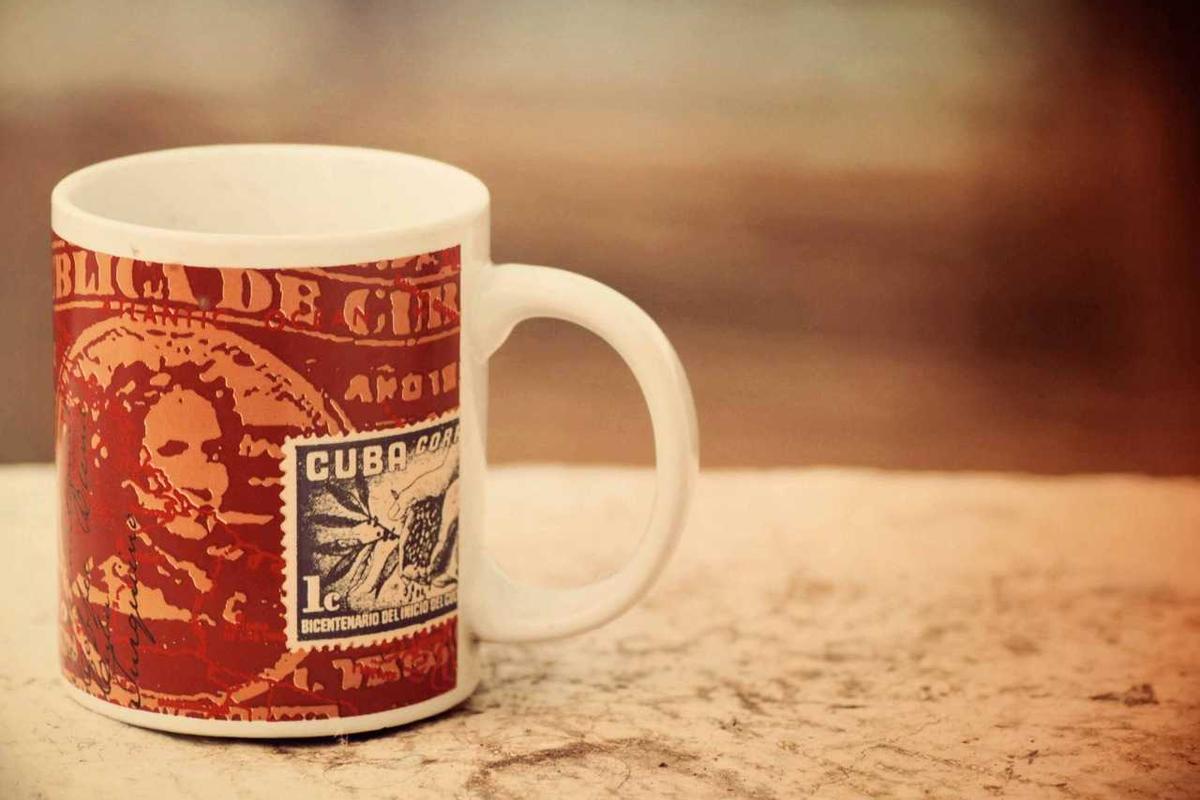
Cuba itself is a small market. But the political symbolism is huge. Havana remains a totem of anti-American resistance. Britain historically maintained a pragmatic relationship with Castro’s regime, unlike Washington. Our trade with Cuba is modest – about £40m a year in goods. But we have a thriving tourism sector, and British Airways flies direct. That could be at risk if US sanctions tighten further.
The real danger is what this means for our broader Caribbean strategy. The region is divided. Some nations have strong ties to the US. Others see Cuba as a natural ally. Trump’s pressure will force a choice. And the UK, with its post-Brexit ambitions, will be caught in the middle.
The Foreign Office is scrambling. Sources tell me ministers are holding urgent talks with Caribbean diplomats. They are trying to build a coalition to resist the US measures. But let’s be realistic. Can we really stand up to Trump on this? The special relationship has its limits. Trade with the US dwarfs anything in the Caribbean. No 10 will not risk a trade war over Cuba.
Meanwhile, the EU is also watching. Brussels has its own sanctions on Cuba, but weaker than Washington’s. The UK, now outside the EU, lacks that bloc’s diplomatic heft. We are isolated. And the Caribbean knows it.
There is an irony here. Britain was the first Western power to open formal trade with Cuba after the revolution. We sold buses, built hotels. Now, that legacy is under threat. Not from communism, but from a Republican president.
One senior diplomat told me: “We are caught between two competing visions of the post-war order. One based on multilateral rules. The other on raw power. And power is winning.”
The coming weeks will be telling. Will the UK stand firm? Or will we cave? The rumblings in the Caribbean are getting louder. And the next move belongs to Trump.
Eleanor Rigby, Political Bureau Chief