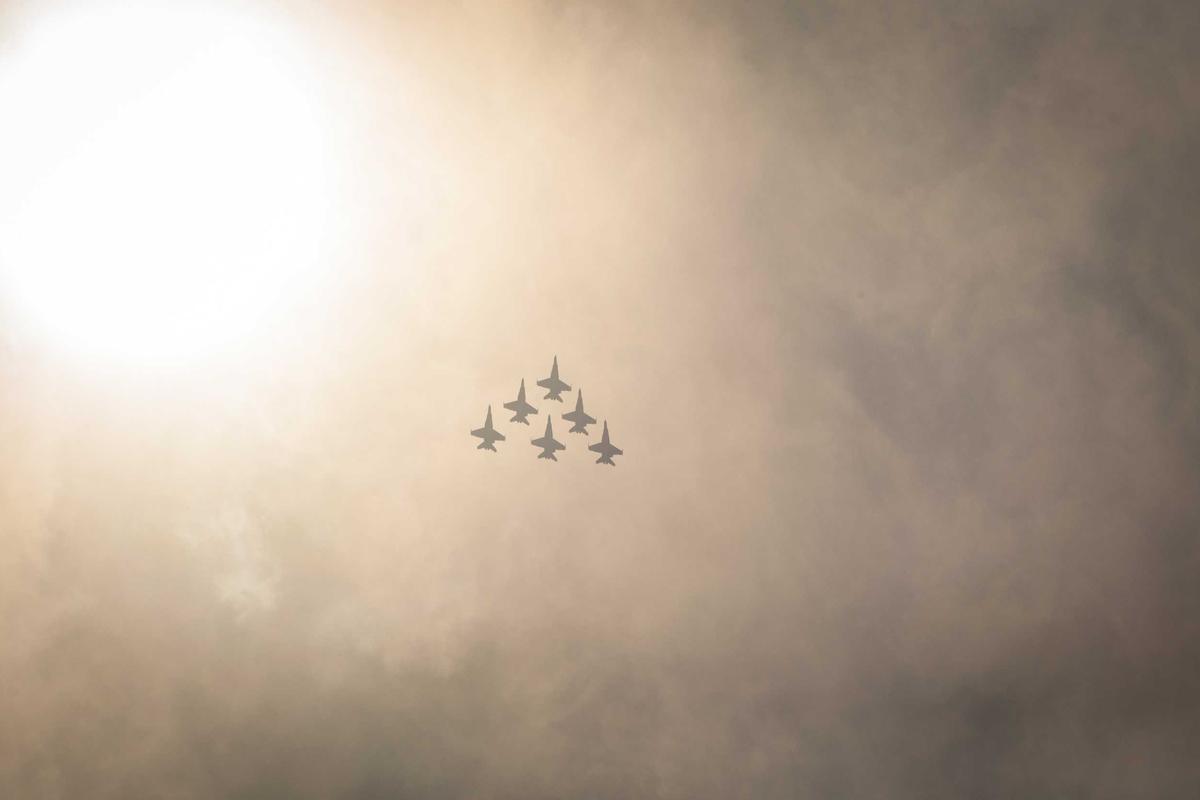
A catastrophic failure at Altus Air Force Base, California, has claimed eight lives after a B-52 Stratofortress crashed during a routine training sortie. The aircraft, a mainstay of the US strategic bomber fleet, was conducting low-level navigation drills when it went down in a remote area of the base. Witnesses report a fireball and secondary explosions that hampered immediate rescue efforts.
The Pentagon has confirmed all eight personnel aboard were killed. This is not an isolated incident. The B-52 fleet, though heavily upgraded, sees airframes dating back to the 1960s.
The strain of sustained global operations, including continuous bomber presence missions over Europe and the Indo-Pacific, raises serious questions about maintenance cycles and crew fatigue. Britain’s Ministry of Defence has issued an urgent statement calling for a NATO review of strategic bomber air safety protocols. This crash occurs at a time of heightened geopolitical tension.
Russian strategic aviation has increased provocative flights near NATO airspace, and the UK’s own nuclear deterrent relies on similar aged platforms. The loss of a B-52 is a significant reduction in conventional strike capability. The investigation will focus on the aircraft’s flight control systems and crew decision-making.
But the strategic pivot is clear: any degradation in allied strategic air power is a gift to hostile state actors. The next headlines may not be about accidents but about a failure to deter aggression. This is Dominic Croft, Defense and Security Analyst.