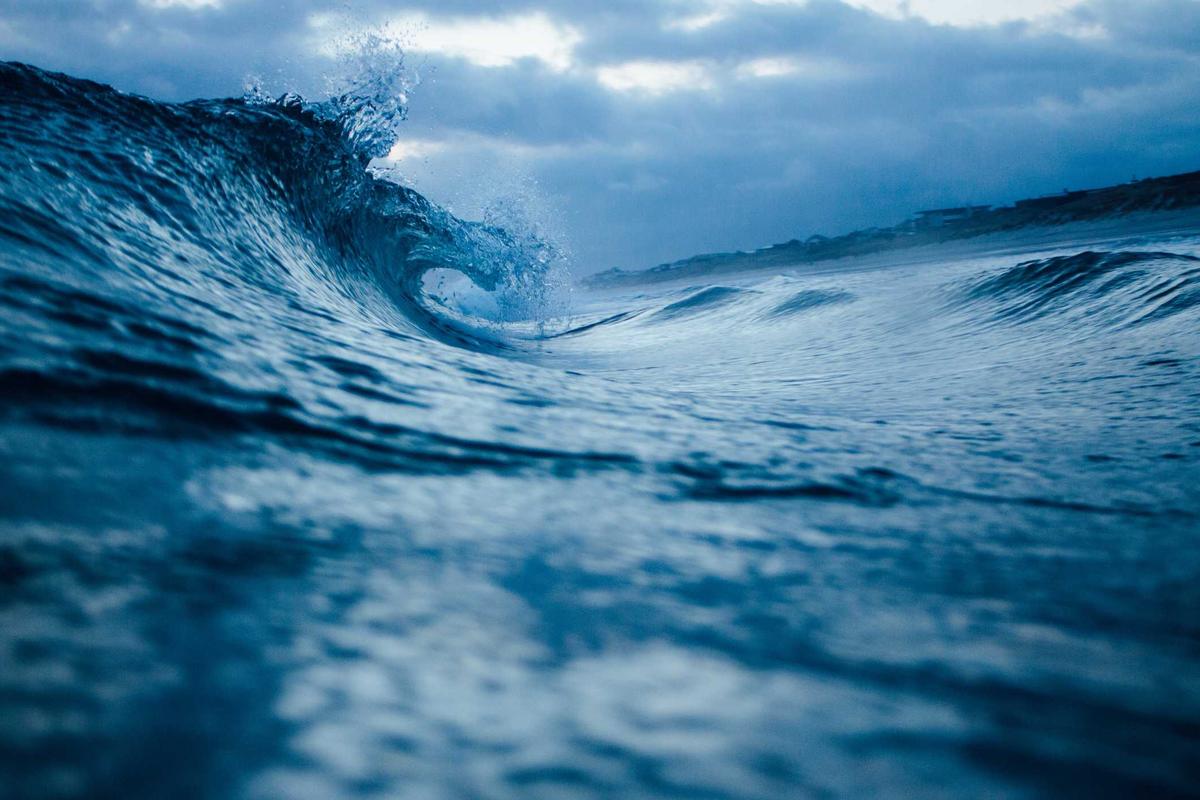
In a watershed moment for autonomous maritime operations, a US Navy sea drone has executed the first-ever rescue of a downed helicopter crew at sea. The unmanned surface vessel (USV), operating under the control of a remote operations centre, located and retrieved four aviators from a crashed MH-60 Seahawk in the Pacific Ocean. This event marks a leap in machine-human collaboration, with the drone’s AI systems processing real-time sensor data to navigate treacherous currents and execute a precise extraction.
British defence chiefs are now closely scrutinising the mission’s data, weighing the implications for the Royal Navy’s future fleet. The drone, designated Sea Hunter II, is part of a broader push towards unmanned systems that can operate for weeks without resupply. However, the rescue raises profound questions: can we trust autonomous machines with lives?
The system’s ethical kill switch was never triggered, but the incident highlights the double-edged sword of algorithmic decision-making. As London evaluates this tech, the balance between operational advantage and moral hazard hangs in the digital balance. For society, the rescue is a glimpse of a future where drones perform perilous tasks human responders cannot.
Yet the shadow of ‘Black Mirror’ looms: what happens when the algorithm fails? For now, the crew is safe, and the data stream continues. This is a story of salvation coded in silicon, but the next accident may test our faith in the machine.