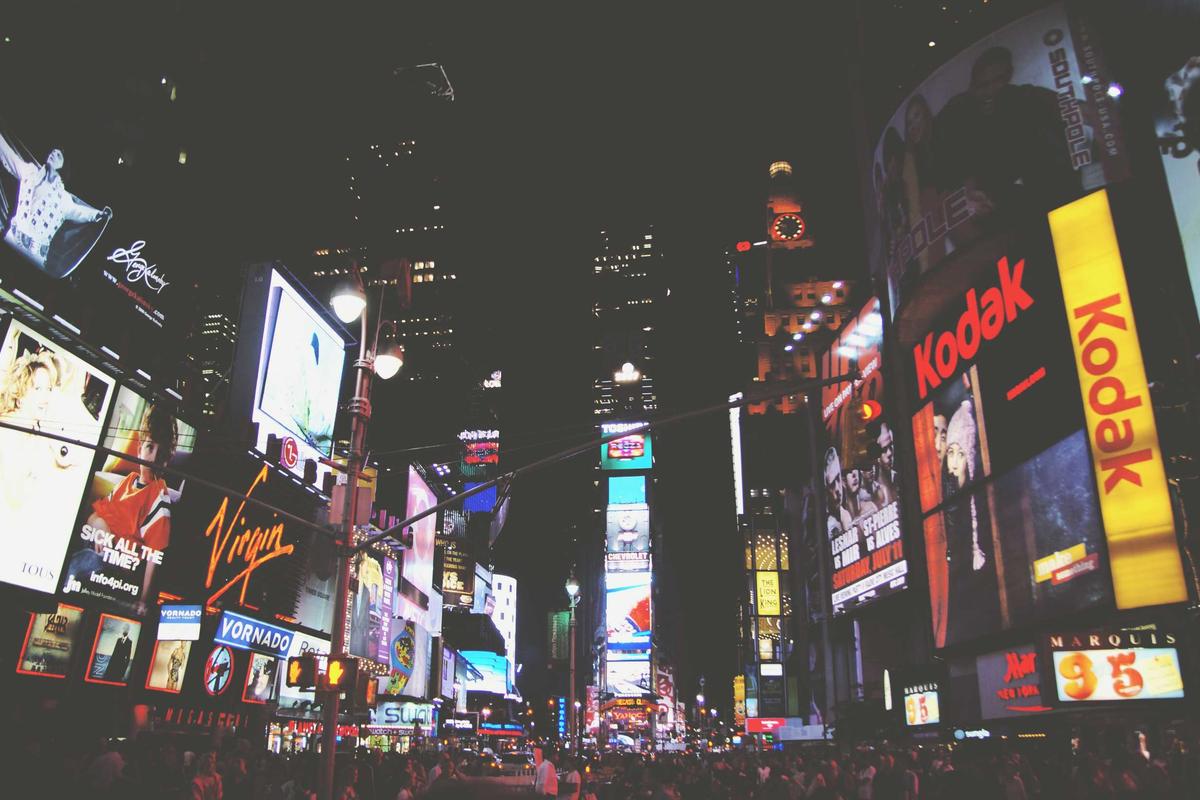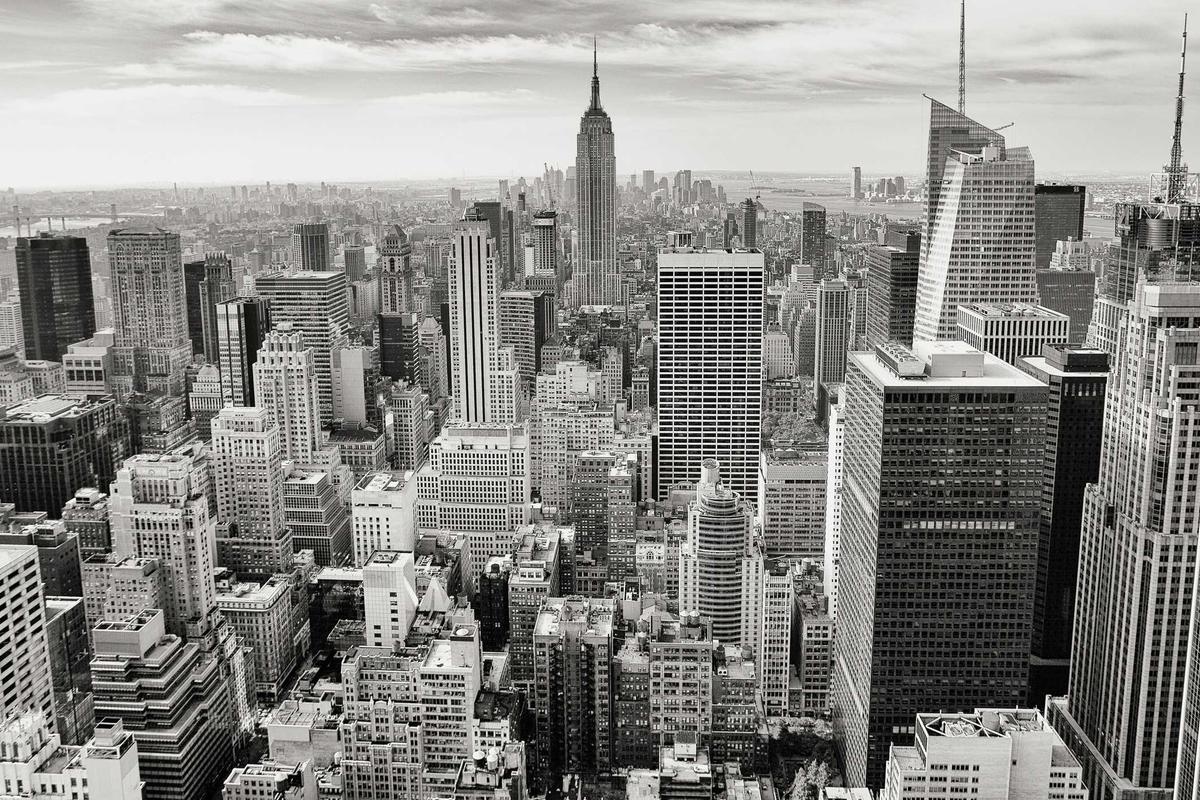
The political ground has shifted under New York's Democratic establishment. A slate of candidates endorsed by controversial academic Mahmood Mamdani swept the city's primary elections overnight. The result has sent shockwaves through Westminster and Whitehall. British intelligence sources are now quietly flagging concerns about foreign interference in the US electoral process.
This is not just a local story. It is a bellwether for how global power dynamics are being reshaped. The Mamdani-backed candidates campaigned on a platform of radical decolonisation and dismantling of institutional structures. Their victories mark a significant leftward lurch for the party in one of America's most influential cities.
UK analysts, speaking on condition of anonymity, have pointed to the role of foreign funding and organisational support. One senior Foreign Office source described the situation as 'deeply troubling'. They noted that the candidates received substantial backing from groups with links to Qatar and other Gulf states. 'This is not about free speech,' the source said. 'This is about a coordinated effort to shift the Overton window.'
Mamdani himself is a Ugandan-born academic who has long been a critic of Western foreign policy. His endorsement carries weight in certain circles, but his links to regimes in the Middle East and Africa have raised eyebrows. The question now is whether these primary wins translate into general election success. And what that would mean for US-UK relations.
Downing Street has been conspicuously silent. Number 10 is aware that any comment could be seen as meddling in US politics. But behind closed doors, there is real anxiety. The Conservative Party has long relied on the special relationship to bolster its foreign policy credentials. If the US Democratic Party moves decisively left, the ground shifts under Tory strategy.
The Labour Party, meanwhile, is watching closely. Keir Starmer's team has been careful to distance themselves from Mamdani. But the left of the party sees these victories as a vindication of their own calls for a more radical agenda. They will use this as leverage in internal battles over policy.
In New York, the mood is triumphant. The winning candidates have promised to use their positions to challenge federal policies on Israel, immigration, and economic regulation. The Democratic establishment, led by Governor Kathy Hochul, is scrambling to contain the fallout. But the genie is out of the bottle.
For British observers, the lesson is clear: the rules of the game are changing. Foreign influence operations are becoming more sophisticated. And the old lines between domestic and international politics are blurring. The question is whether the UK is prepared for the next round.
A Whitehall source summed it up succinctly: 'We are no longer spectators. This is happening here too.' The warning is stark. As America's political system becomes a battleground for global interests, the UK cannot assume it will be immune. The primary in New York is a shot across the bow. It remains to be seen whether Westminster will hear it.