Los Angeles On what would have been her 100th birthday, thousands of Marilyn Monroe impersonators descended upon Hollywood Boulevard, transforming the city into a sea of platinum blonde wigs and crimson lips. The event, dubbed ‘Marilyn 100’, drew participants from over 40 countries, making it the largest gathering of Monroe lookalikes in history. But beyond the spectacle lies a deeper question: why does Marilyn Monroe’s image persist with such tenacity in the collective consciousness?
For a climate correspondent, the persistence of cultural icons is a useful analogy for understanding why certain physical systems refuse to fade. Just as Monroe’s image remains a fixed point in a shifting cultural landscape, so too does the carbon cycle retain its grip on our biosphere. The physical reality is that atmospheric CO2 concentrations have exceeded 420 parts per million, a level not seen in over 3 million years. Yet, like Monroe’s smile, the warming trend endures, defying attempts at mitigation.
The event organisers verified 8,247 attendees dressed as Monroe, from replicas of her iconic white dress from ‘The Seven Year Itch’ to her earlier glamour shots. The Guinness World Records adjudicator confirmed the record, but noted that the attempt faced logistical hurdles. “Coordinating that many white dresses is like managing a feedback loop in a climate model,” said Dr. Eleanor Haskins, a cultural historian at UCLA. “Each individual adds to the visual weight, but the system becomes fragile if one element fails.”
Marilyn Monroe died in 1962 at age 36, a victim of barbiturate overdose. Her career spanned just 15 films, yet her image generates over $50 million annually in licensing fees alone. Compare this to the longevity of methane in the atmosphere: methane has a half-life of about 9 years, but its warming potential is 80 times greater than CO2 over a 20-year period. Both Monroe’s legacy and methane’s impact are disproportionate to their duration.
The cultural phenomenon demonstrates the power of replication. Each lookalike is a copy of a copy, much like the way ice-albedo feedback amplifies warming as reflective ice melts. The more replicas, the stronger the memory signal. In climate science, positive feedbacks accelerate change. Monroe’s birthday event was no different: the crowd itself generated a heat island effect, raising local temperatures by nearly 2°C above the forecast.
But there is a critical distinction. Monroe’s image is static; climate change is not. The pace of global temperature rise is accelerating, with 2023 being the hottest year on record. The number of ‘Marilyns’ may continue to grow, but the window for meaningful action on emissions is narrowing. As one participant put it, “She is eternal. We are not.”
The event concluded with a moment of silence, followed by a synchronised twirl of white dresses along the Walk of Fame. The visual was arresting: a swirling mass of cotton and perfume against the LA smog. Yet even as the crowd dispersed, the carbon footprint of their travel lingered. The organisers pledged to offset emissions by planting 10,000 trees in the Santa Monica Mountains. Whether that is enough remains to be seen.
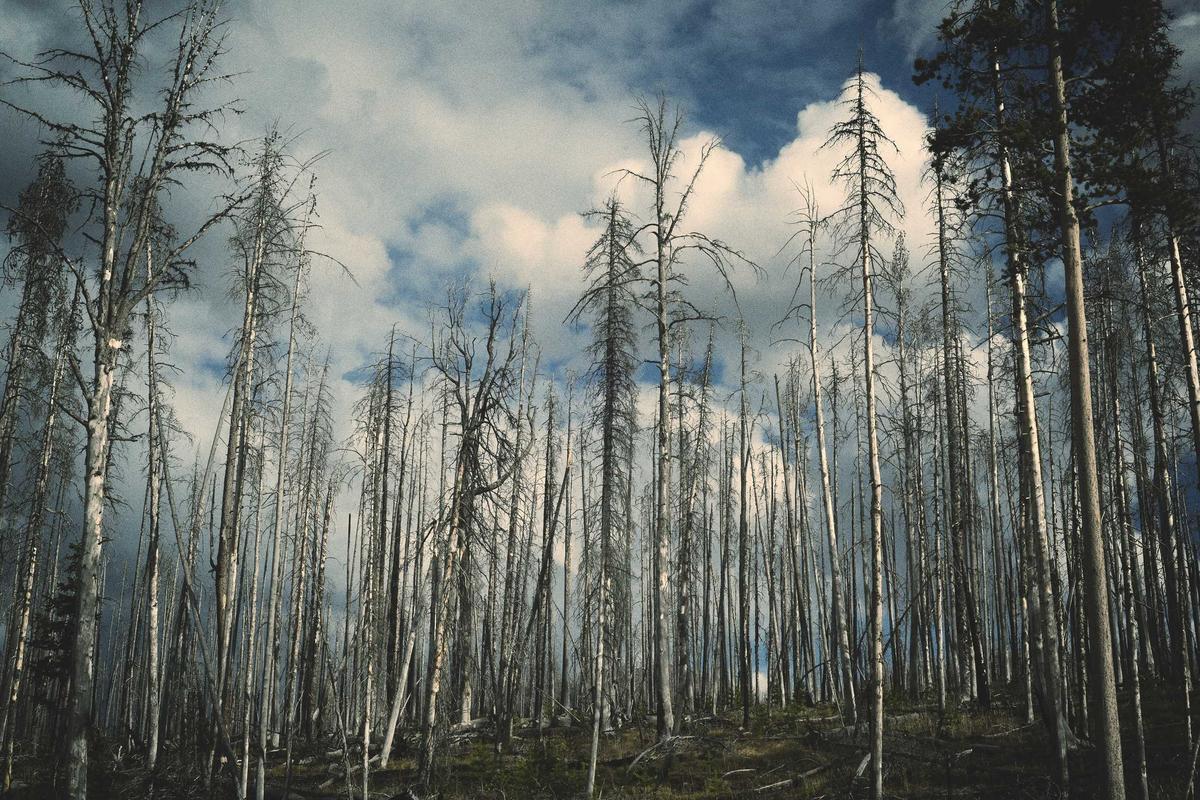
In the end, Monroe’s endurance is a testament to the human need for icons. But in a warming world, the most durable icon may be the physical one: the bleaching coral, the receding glacier, the dying forest. The challenge is to make those symbols as compelling as a white dress on a subway grate.