A bid to break the world record for the largest Mexican wave has ignited a heated cultural debate, with British surfing experts casting doubt on the authenticity of the phenomenon. The attempt, organised by a Mexican tourism board, drew tens of thousands of participants to the Zócalo in Mexico City on Saturday, aiming to surpass the current record of 12,000 people set in a stadium in Japan.
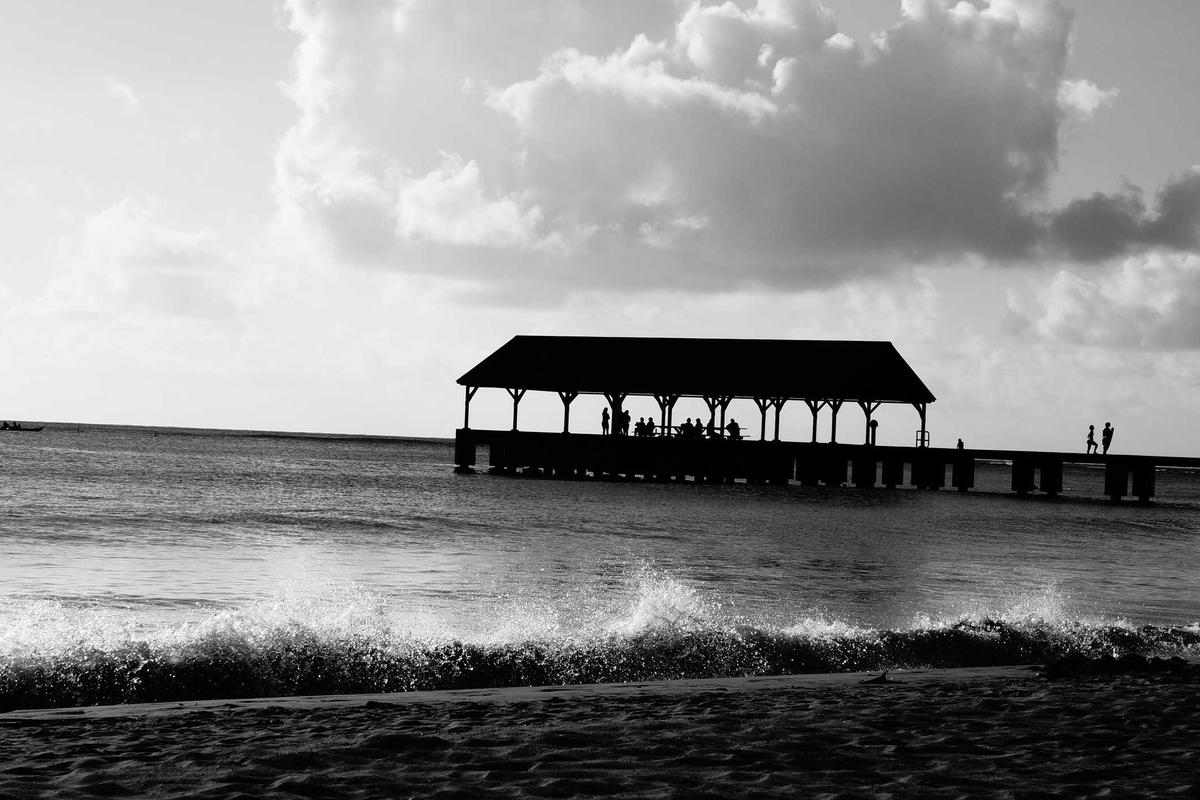
However, the event has been met with scepticism from some quarters, particularly among British surfers who argue that the Mexican wave, as performed in stands and public squares, bears little resemblance to the ocean swell that gave it its name. James Whitmore, a veteran surfer from Cornwall and a fellow of the Royal Geographical Society, told the BBC: "The Mexican wave is a misnomer. It is a choreographed movement, not a natural phenomenon. Surfers know that a true wave is unpredictable, shaped by wind and tide. This is a human imitation, a pale shadow of the real thing."
The term "Mexican wave" gained international currency during the 1986 World Cup in Mexico, where spectators began standing and raising their arms in sequence, creating a ripple effect around the stadium. The phenomenon has since been replicated at sporting events globally. Yet purists argue that its appropriation of a geographical label is misleading.
Cultural commentators in Mexico have pushed back against the criticism, framing the record attempt as a celebration of national identity. Dr. Elena Fuentes, a professor of cultural studies at the National Autonomous University of Mexico, said: "The Mexican wave is a symbol of joy and collective spirit. To reduce it to a debate about semantics is to miss the point. It reflects our cultural exuberance, not a claim to oceanography."
Tensions have been further inflamed by comments from British surf champion Lucy Gordon, who called the record attempt "a gimmick" and urged participants to "learn what a real wave feels like." Her remarks drew sharp rebukes on social media, with some accusing her of cultural insensitivity.
The record bid itself was conducted under the supervision of Guinness World Records, whose guidelines require that the wave must travel through the entire group consecutively. Preliminary footage shows a continuous ripple across the square, though official verification is pending. Organisers have expressed confidence that the attempt will be certified.
Geopolitical implications are subtle but present. The debate occurs against a backdrop of renewed diplomatic tensions between Britain and Mexico over trade and migration. Some observers see the surfers' critique as another instance of British cultural condescension, while others view it as a harmless debate about terminology.
Institutional voices have been cautious. The British Foreign Office declined to comment, while Mexico's Secretariat of Culture issued a statement supporting the record bid and emphasising the inclusive nature of the Mexican wave as a "global gesture of unity."
The argument highlights a broader clash between cultural authenticity and globalised spectacle. As Mexico seeks to project soft power through such events, the surfers' objections raise questions about who controls the narrative of national symbols. For now, the record stands in limbo, awaiting official confirmation and a settling of semantic scores.