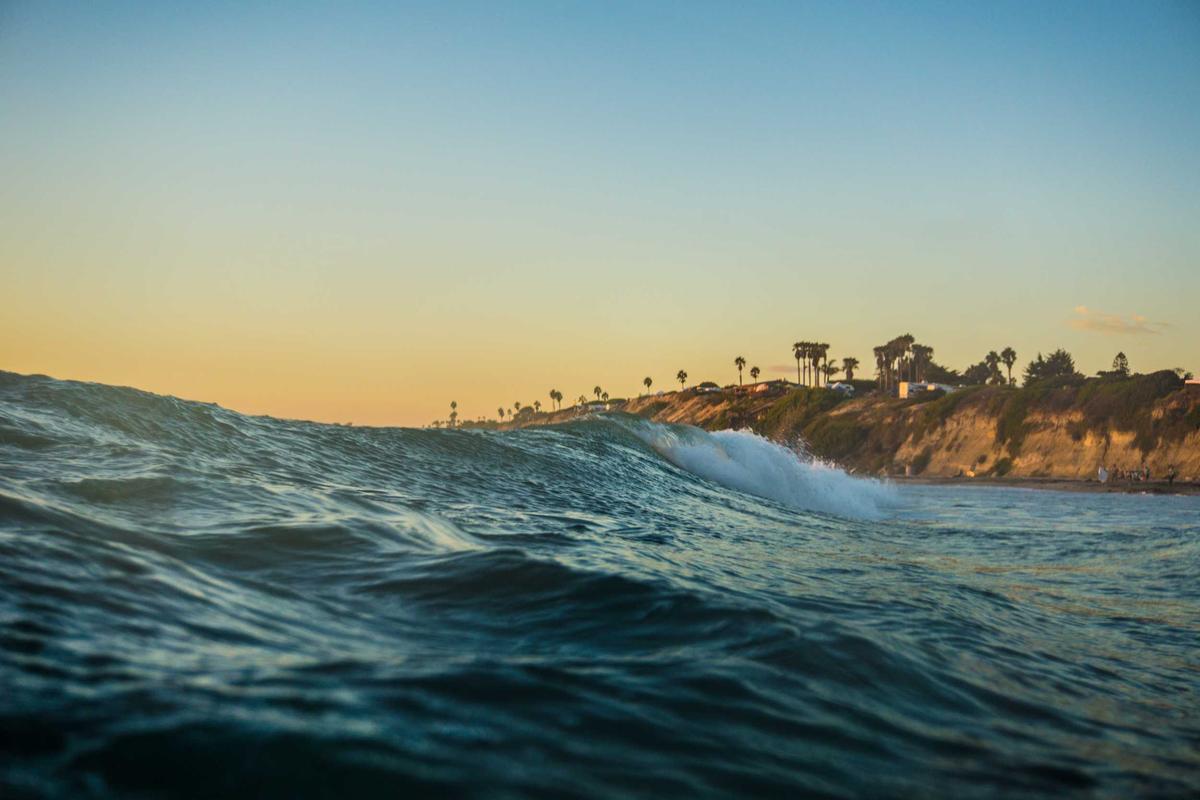
A controversial claim by Mexican surfers to have ridden the world’s largest wave has ignited a heated debate within the global surfing community, with British surfers questioning the ownership of such records. The wave, estimated at over 30 metres, was surfed off the coast of Oaxaca, Mexico, last week. However, the lack of official adjudication and the cultural implications of claiming a 'world record' have divided opinions.
Dr. Helena Vance, Science & Climate Correspondent, reports on the physical realities behind the claim. 'Wave height is notoriously difficult to measure,' she explains. 'The current method relies on video analysis and eyewitness accounts, which can be subjective. Without an independent panel, the claim remains unverified.'
The debate extends beyond measurement. British surfers, many of whom pioneered big-wave riding in places like Nazaré, Portugal, argue that records should be certified by bodies such as the World Surf League. 'It is not about nationality,' says seasoned British surfer Tom Lowe. 'It is about standards. If we let every local break claim a record, the term loses meaning.'
Yet the Mexican community counters that surf culture has long been dominated by Western narratives. 'This wave is part of our heritage,' says Mexican surfer Maria Garcia. 'Why should our achievements be validated by foreigners?' The tension reflects broader issues of cultural appropriation and ownership in sports.
From a scientific perspective, the claim raises concerns about climate change. 'As ocean temperatures rise, we are seeing more extreme weather events, which could produce larger waves,' warns Dr. Vance. 'This might lead to more frequent record claims, exacerbating cultural tensions.'
The British surfing community has called for a transparent, internationally recognised verification process. 'We need to separate the science from the hype,' says Lowe. 'Otherwise, we risk eroding the credibility of the sport.'
Meanwhile, the Mexican government has offered to host a international surf competition to settle the matter. 'Let the best wave win,' says Garcia. 'But let us decide what is best.'
As the debate rages, one thing is clear: the world record wave is as much a cultural as a physical phenomenon. And as the climate shifts, these conflicts may become more common. The question remains: who owns a wave? In a rapidly changing world, the answer may be more elusive than the perfect swell.