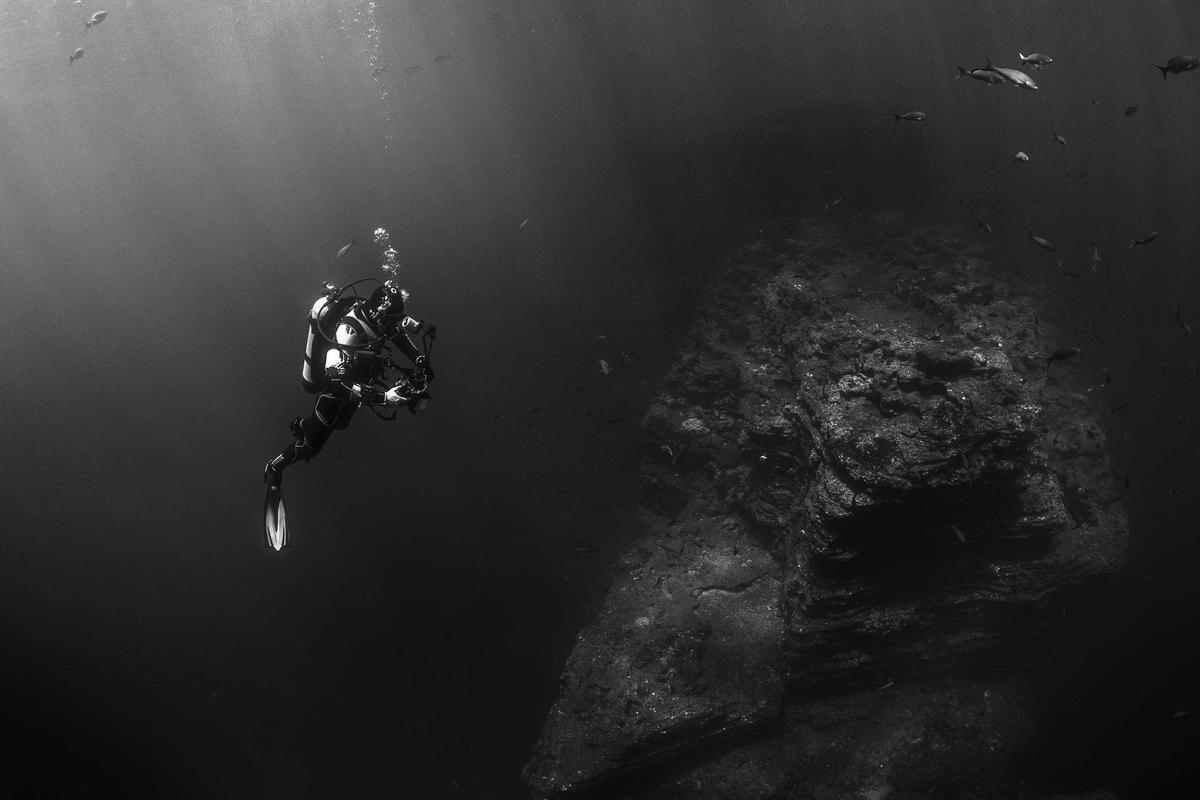
The arrest of a Ukrainian national in Germany on suspicion of involvement in the Nord Stream pipeline sabotage has triggered urgent warnings from MI6 that European energy security faces a new phase of vulnerability. The suspect, identified as Volodymyr Z., was detained in the northern city of Rostock and is believed to have coordinated a team of divers who placed explosives on the pipelines in September 2022. British intelligence officials have cautioned that the arrest could destabilise ongoing investigations and expose gaps in European critical infrastructure protection.
The sabotage of the Nord Stream 1 and 2 pipelines, which released an estimated 115,000 tonnes of methane into the Baltic Sea, remains one of the most significant acts of industrial warfare in modern history. The blast wave registered on seismic stations across Scandinavia. Now, with a suspect in custody, the geopolitical implications are escalating. MI6 sources have indicated that Volodymyr Z. may possess detailed knowledge of other potential targets along Europe's subsea gas network, including the Norwegian gas fields and the Baltic Pipe connecting Poland to Denmark. This has prompted emergency security reviews in multiple capitals.
The suspect's detention comes amidst heightened tensions between Germany and Ukraine. Berlin has expressed concern over the possibility that elements within the Ukrainian military may have been involved, a claim Kyiv denies. The German Federal Prosecutor's Office has confirmed that the investigation is “complex and involves classified information”. The European Union has called for a coordinated response, but member states remain divided on how to proceed. France has advocated for stricter sanctions against Russia, while Hungary and Slovakia have called for restraint.
From a physical reality perspective, the pipelines remain inoperable, with extensive damage and corrosion of the steel-reinforced concrete. Repairs would require months of work and cost billions of euros. The leaks released a climate pollutant with 80 times the warming potential of carbon dioxide over 20 years. The ecological impact is still being assessed by marine biologists in the exclusive economic zones of Denmark and Sweden.
The arrest also highlights the growing threat to subsea infrastructure. Over 95% of intercontinental data traffic is carried by fibre-optic cables resting on the seafloor. A coordinated attack on multiple cables could cripple global finance and communication networks. The North Atlantic Treaty Organization (NATO) has recently established a new centre for undersea infrastructure protection, but its mandate is still evolving. The Baltic Sea region, with its mix of shallow waters and deep shipping lanes, remains particularly vulnerable.
Energy security is the core issue. Before the sabotage, Nord Stream supplied 55 billion cubic metres of gas annually to Germany, accounting for over 50% of its consumption. The loss of this supply accelerated Europe's energy transition, but at a staggering cost. Germany alone spent 300 billion euros on energy subsidies and emergency measures in 2023. The suspect's capture could open a legal pathway to damages, but it also risks inflaming nationalist sentiment in Ukraine, which sees the pipelines as a tool of Russian coercion.
The data does not lie. European gas imports from Russia fell from 40% of total consumption in 2021 to less than 10% in 2023. Liquefied natural gas terminals have been rapidly constructed from Wilhelmshaven to Barcelona. But the energy mix remains fragile. The average global temperature continues its upward trend, with 2024 on track to be the hottest year on record. Every disruption to the energy system, whether from sabotage or policy failure, slows the decarbonisation effort.
MI6's warning is calibrated calm urgency. The agency's assessment, shared with counterparts in the Five Eyes alliance, suggests that the suspect's capture may lead to retaliatory strikes by Russian or self-proclaimed Ukrainian nationalist groups. The ripple effects of such chaos could disrupt the delicate political consensus required for the green transition. The cleanest energy is the energy we do not need, but efficiency gains have been compromised by geopolitical pressures.
For the science correspondent, this story is a stark reminder that climate action is intertwined with security. The pipelines are not just infrastructure. They are evidence. They are a scar on the seabed that serves as a physical manifestation of the fraught relationship between energy, environment, and conflict. The arrest in Rostock is not an end, but a turning point. The biosphere collapse we have documented in the Amazon and the Arctic is now being mirrored in the damaged ecosystems of the Baltic Sea. The warming planet has no patience for sabotage, only for solutions.