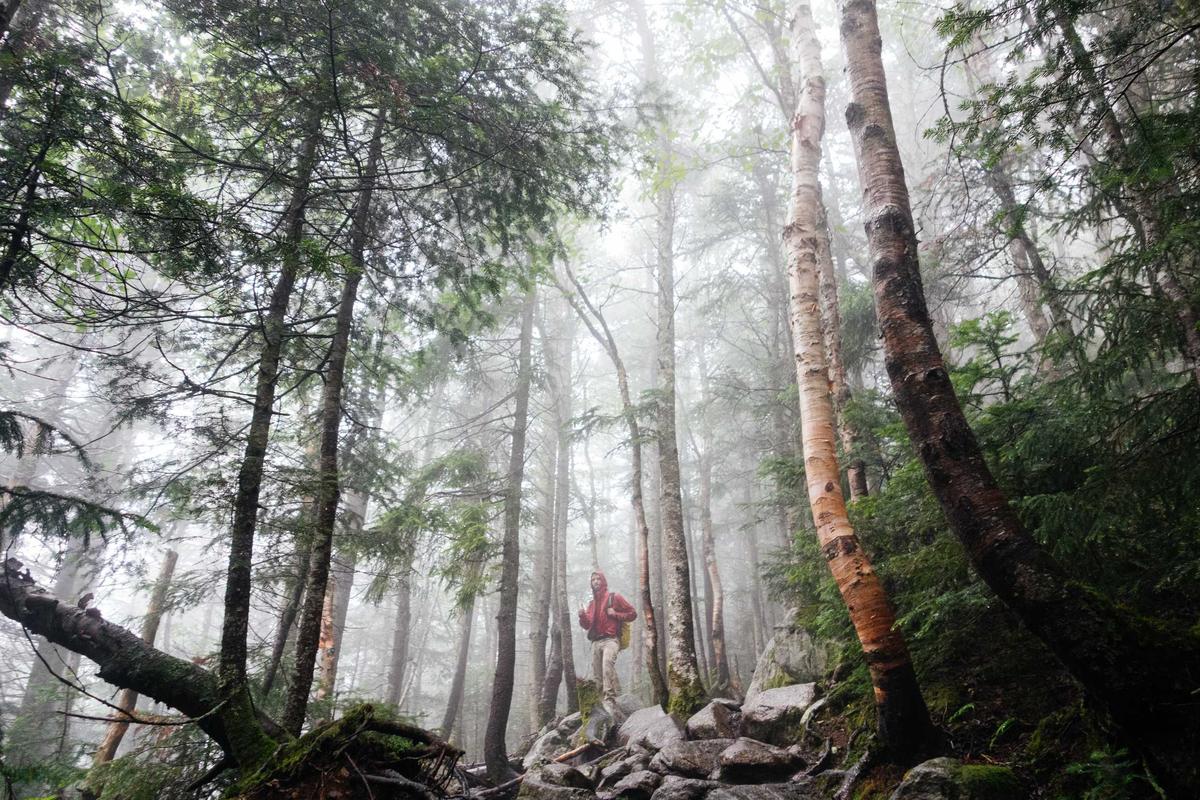
In an extraordinary turn of events that reads like a plot from a techno-thriller, a missing Sherpa has emerged from the Death Zone on Everest, defying all odds in what British teams are calling a 'miracle' self-rescue. The climber, identified as 28-year-old Pemba Dorjee, was presumed dead after vanishing during a sudden storm six days ago. His survival and descent without external assistance raise profound questions about human resilience and the limits of technology in extreme environments.
Dorjee, a senior guide with a decade of experience, was leading a British expedition when a whiteout forced his team to turn back. He was last seen at Camp 4, 7,950 metres up, struggling with oxygen equipment. Search missions were abandoned after drones and satellite imagery failed to locate him in the treacherous Khumbu Icefall.
Then, at 6 a.m. local time, a helicopter pilot spotted a lone figure waving near the South Col. Dorjee had navigated the icefall alone, using his phone's offline GPS and a backup altimeter watch. He scavenged oxygen canisters from abandoned tents and conserved energy by moving only during daylight. 'I knew the mountain is a system. If you respect the protocols, it will let you pass,' he told rescuers via satellite phone.
British team leader Sir Henry Blount, a veteran mountaineer, called it 'the most remarkable solo descent in Everest's history'. 'We have wearable tech, AI forecasting, and real-time health monitors. Pembra had none of that. He used his mind and a battery-powered watch. It humbles you.'
This incident reignites debates over the digitalisation of extreme sports. Critics argue that an over-reliance on gadgets can create a false sense of security, while proponents counter that such tools could have prevented the ordeal. 'If we had mandatory trackers with satellite uplinks, we would have found him sooner,' said Dr. Anika Patel, a risk analyst at the University of Cambridge. 'But we must balance that with concerns over surveillance and the spirit of adventure.'
The Nepalese government is now considering a rule requiring all climbers to carry personal locator beacons. Meanwhile, Dorjee's story is a stark reminder that even in an age of quantum computing and AI, the human will remains the most powerful algorithm. As he said, 'The mountain is the ultimate test. And in the end, it is not about the data. It is about the decision.'
For now, the Sherpa community celebrates a hero. But the question lingers: how many more must push the boundaries of survival before we rethink our relationship with risk and rescue?