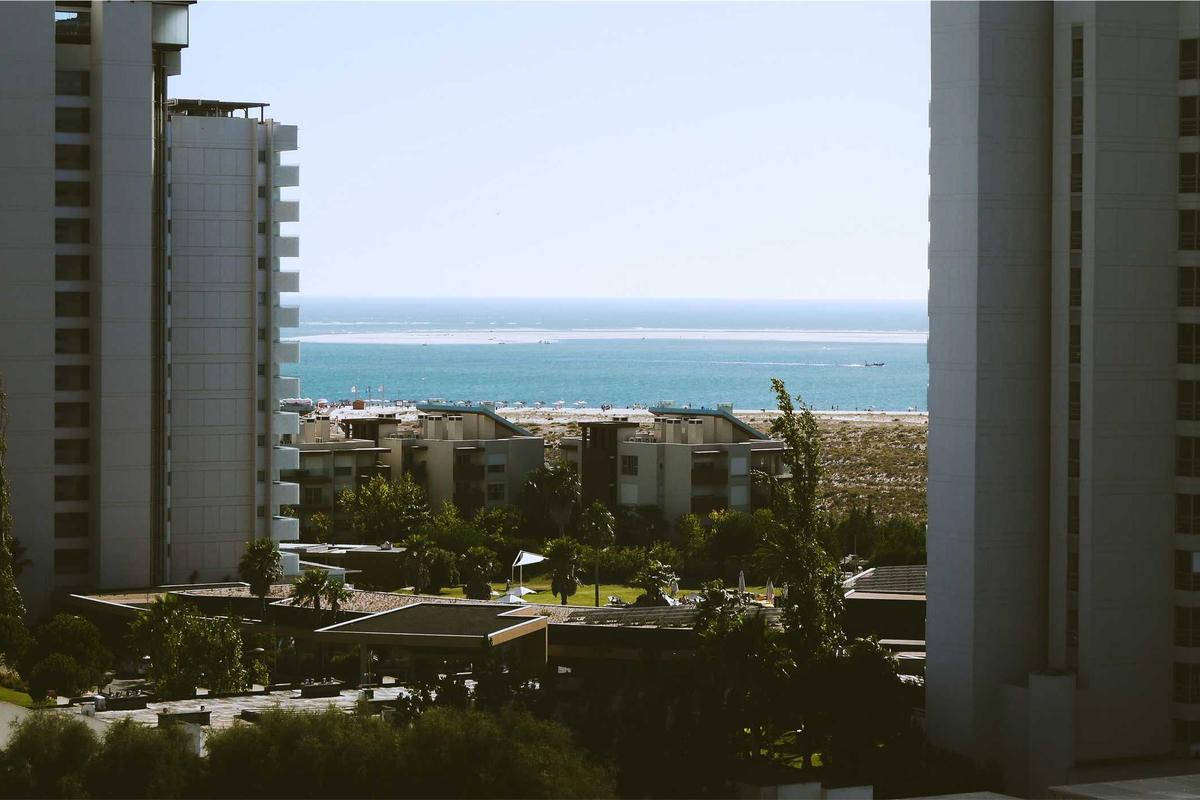
A bomb attack in the heart of Monaco has shattered the principality's veneer of inviolable security, targeting a Ukrainian oligarch with ties to the ongoing war. The explosion, which occurred in the early hours outside a private residence in the Larvotto district, has left one security guard critically injured and triggered a manhunt for the perpetrators. The victim, identified as industrialist Dmytro Firtash, was not harmed but the message is clear: no sanctuary exists in this conflict.
Forensic teams are combing the scene for residues that might indicate the explosive type, while investigators trace the vehicle used in the getaway a black Audi with Swiss plates found abandoned at the Nice airport. The attack bears the hallmarks of a professional operation, with the device detonated remotely as the guard approached a suspicious package. Monaco's police force, augmented by French counter-terrorism units, is now treating this as an assassination attempt with geopolitical ramifications.
Firtash, a gas tycoon with controversial ties to both Kyiv and Moscow, has been a target of US sanctions and was awaiting extradition to the United States on bribery charges. His presence in Monaco, a tax haven for the global elite, underscores the entanglement of wealth and war. The attack follows a pattern of escalating violence against Ukrainian businessmen abroad, with similar incidents in Spain and Germany in recent months. Each explosion is a data point in a grim trajectory: the conflict is no longer confined to the Donbas.
The energy dimension is critical here. Firtash's empire once controlled a significant portion of Ukraine's gas transit infrastructure, a choke point in Europe's energy security. His business dealings have long been a fulcrum of Russian influence, and his current status as a potential witness in US investigations adds another layer. Is this a silencing operation, a warning to others, or a false flag? The signal-to-noise ratio is poor, but the physical evidence will speak.
Monaco's response has been swift but reveals a deeper unease. The principality, reliant on its reputation for safety, now faces a credibility crisis. Security checkpoints are now permanent at key junctions, and the harbour is under 24-hour surveillance. But for the oligarch community, the question is no longer about tax efficiency but survival. The biosphere of global finance is collapsing under the heat of real-world conflict.
This attack is a symptom of a larger system stress. The energy transition, the war in Ukraine, the weaponisation of economic assets all these are interconnected feedback loops. A bomb in Monaco is not an isolated event; it is a temperature reading of a planet on fire. Calm urgency is required: the investigation must proceed with rigour, but the warning system is flashing red. The world is watching, and the windows of safe havens are closing.