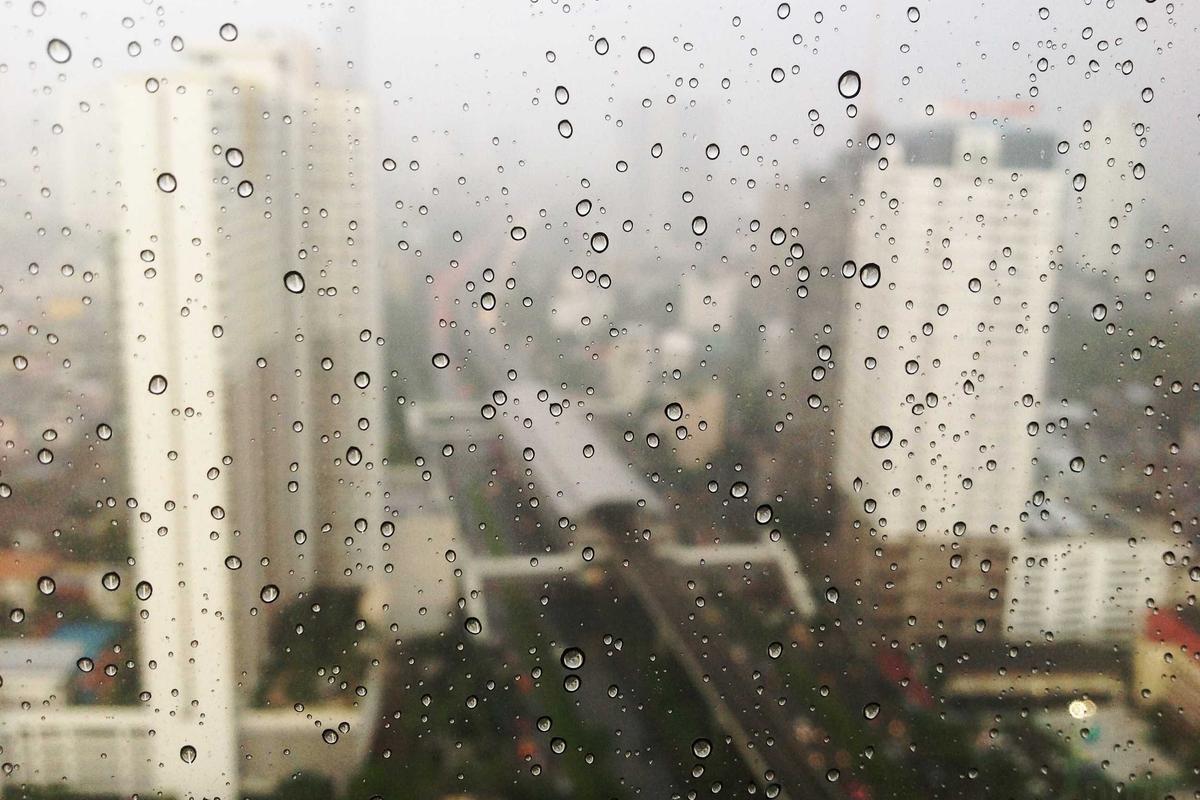
Residents of several Moscow districts have reported a phenomenon described as black rain following what Ukrainian officials have called the largest attack on a Russian oil refinery since the start of the war. The strike, which targeted the Moscow Oil Refinery in Kapotnya, involved drone swarms and long-range missiles, causing a significant fire and subsequent release of heavy particulate matter.
Local authorities have issued a statement acknowledging the reports but emphasising that the substance is not radioactive. Preliminary analysis suggests it comprises unburned hydrocarbons and soot from the burning crude. The refinery, owned by Gazprom Neft, is a critical node in the fuel supply chain for the Moscow region.
The attack, which occurred in the early hours of Tuesday, represents a marked escalation in Ukraine's campaign to disrupt Russian energy infrastructure. Western intelligence sources confirm that the strike used domestically produced drones and Storm Shadow missiles supplied by the UK. The refinery's primary distillation unit was reportedly disabled, leading to a temporary suspension of operations.
Russian defence officials condemned the strike as a terrorist act and have vowed retaliation. However, independent analysts note that the pattern of strikes suggests a strategic shift by Kyiv to target not just battlefield logistics but also civilian energy infrastructure within Russia's heartland. The black rain has caused public concern, with social media footage showing dark streaks on cars and windows. The Moscow mayor's office has deployed cleanup crews and urged residents to keep windows closed.
This incident comes amid heightened tensions over Ukraine's use of Western-supplied weapons on Russian soil. The UK government has not publicly commented on the latest strike, but a Downing Street source reiterated the policy that Ukraine has the right to defend itself by striking legitimate military targets, including fuel depots that supply Russian forces.
The United Nations Secretary-General has called for restraint, warning of the risk of escalation. The Kremlin has framed the attack as a direct challenge to Russian sovereignty, while Ukrainian President Zelensky stated that the operation was a response to continued missile strikes on Ukrainian energy infrastructure.
Environmental experts are monitoring the fallout. The black rain, while not radioactive, could contain carcinogenic compounds. Greenpeace Russia has called for independent testing. The incident underscores the profound and often unseen toll of the war on both combatants and civilians, as the conflict enters its third year with no end in sight.