A tragedy on the high seas has laid bare the human cost of the global crisis as a Venezuelan mother lost her life saving her daughter from a sinking vessel. The RNLI, Britain’s lifeboat service, has praised her as a symbol of selflessness in the face of the immigrant trail’s deadliest year.
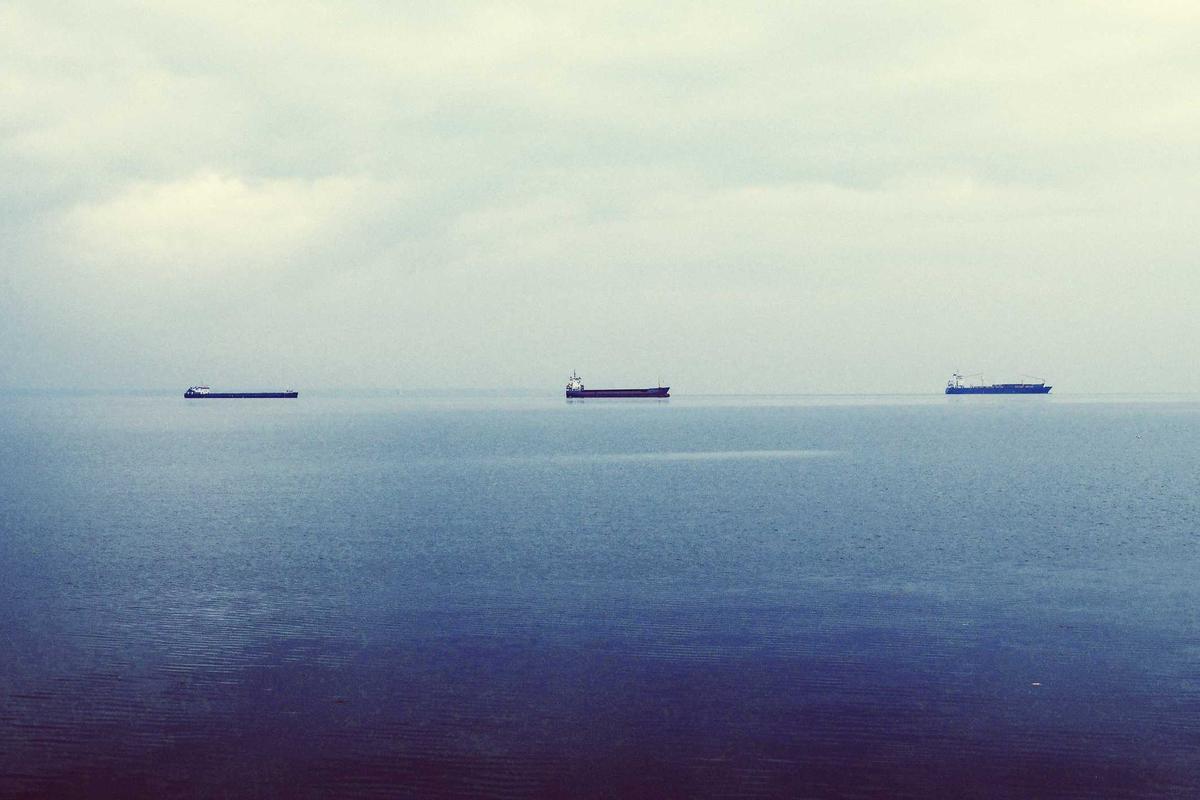
On a grim morning off the coast of Kent, a small boat carrying 22 people began to capsize in the freezing waters of the English Channel. Among the screams and confusion, one woman, identified by survivors as Marisol, 34, thrust her nine year old daughter into a life ring handed down by a volunteer lifeboat crew. She slipped beneath the waves before a second line could reach her.
“She did not hesitate,” said RNLI coxswain Mark Hennessey. “I have seen courage in these waters before, but this was something else. She gave her life for her child. We are commending her, but the system that forced her onto that boat is what should be scrutinised.”
The charity’s commendation places Marisol among a small number of civilians honoured for bravery at sea, a recognition usually reserved for volunteer crew and fishermen. But Hennessey warned that such heroism would only escalate as people retreated to ever more desperate crossings. “This is not a ‘migrant crisis’ of numbers. It is a crisis of humanity. We cannot pretend these are statistics. They are mothers, fathers, children. We are asking the government to look not just at the borders, but at the reasons they flee.”
Marisol’s story is emblematic of the thousands who risk the channel each year. She worked as a teacher in Caracas, where hyperinflation and gang violence made survival a daily battle. Her family scraped together $8,000 to pay smugglers. She had hoped to reach a cousin in Leicester, where she planned to start anew.
Her daughter is now in local authority care, awaiting news of remaining relatives. The Home Office confirmed that the child’s asylum claim would be processed with “full consideration of the circumstances”, but campaigners say the mother’s death is a stain on the UK’s moral standing.
“This woman is a hero in the truest sense,” said Care4Calais founder Clare Moseley. “But her heroism was born of terror. The government’s Rwanda deal and pushbacks do not stop these journeys. They only push them into darker, more dangerous corners.”
The incident has reignited debate over the government’s migration strategy. Last year, a record 45,000 people crossed the Channel on small boats, with at least 27 deaths recorded in the process. The current timeline remains bleak: three people have died in the first six weeks of 2024 alone.
In Caracas, government officials have yet to comment. But in the fishing ports of Venezuela, where Marisol once spent her weekends with her daughter, the loss cuts deep. “We are losing our best people to the sea,” said local priest Father Miguel. “And the world does not see the tears. Only the headlines.”
For the RNLI, the commendation is a reminder that their mission extends beyond rescuing bodies to honouring spirits. “We will never forget Marisol,” said Hennessey. “But we will continue to ask why she had to die. The real heroes are the ones who stop this tragedy before it begins. And that requires change, not just courage.”
As the tide washed over the Kent coast, a small crowd gathered at the shore, laying flowers on the pebbles. A note read: “For the mother who gave everything. We must never look away.”