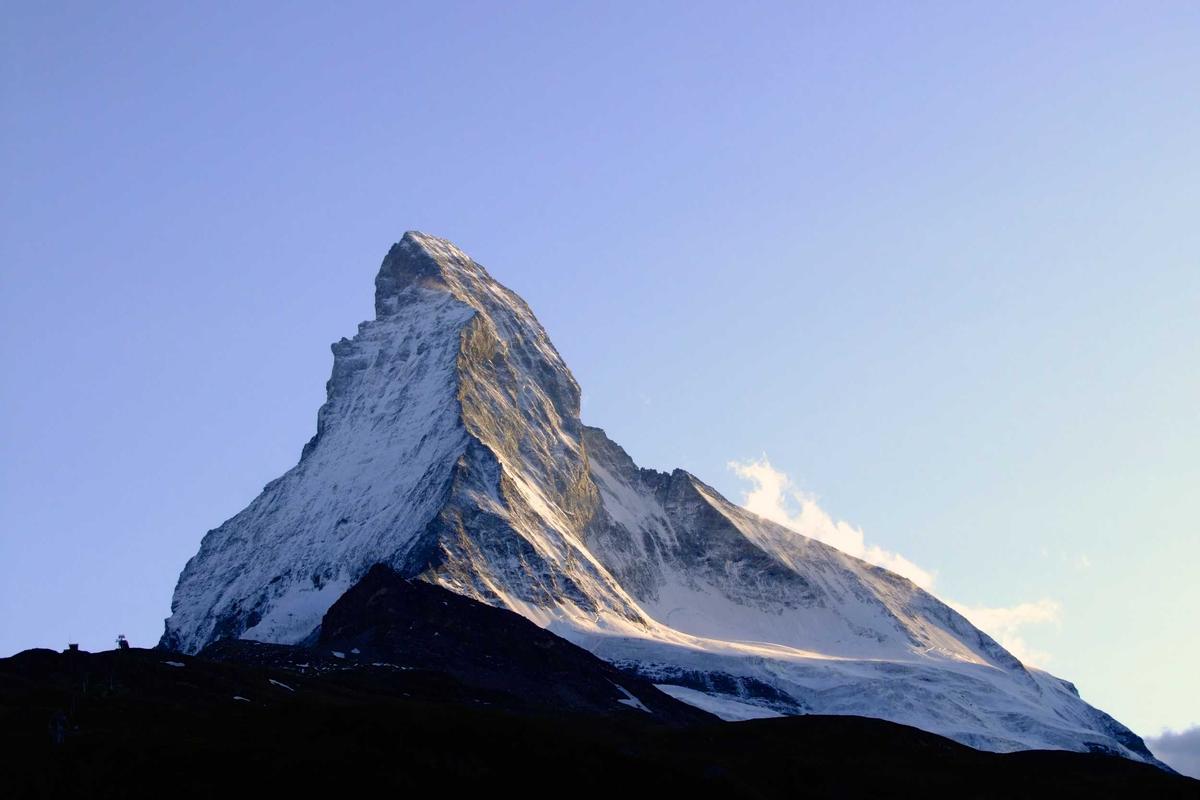
In a remarkable tale of endurance from the death zone, a Nepalese guide has survived six days stranded on Mount Everest with only chocolate bars and melted ice for sustenance. The British Mountaineering Council has hailed the feat as a testament to human resilience, but for investors accustomed to risk, the survival story underscores the brutal economics of high-altitude mountaineering.
Rescue teams retrieved the guide from above 8,000 metres, an altitude where the air is thin and the margin for error thinner. He had been separated from his expedition during a storm, a common hazard in a market where climbers pay up to £75,000 for a summit bid. The survival rate in such conditions is low, but the guide’s discipline with his limited resources kept him alive.
From a financial perspective, this incident highlights the volatility of the Everest industry. In recent years, the number of permits issued has risen sharply, creating a glut of climbers and a strain on resources. The British Mountaineering Council’s praise is akin to a central bank’s endorsement of a distressed asset: noble but not enough to prevent future defaults. The real question is whether the market will self-correct or require regulation.
The guide’s survival is a microcosm of the risks that investors face in emerging markets. Just as climbers rely on oxygen canisters and Sherpas, capital relies on stable institutions and liquidity. A single storm can wipe out returns, just as a political crisis can trigger capital flight. The parallels are uncomfortable but undeniable.
Yet there is an upside. The resilience shown by the guide is a reminder of the value of discipline and contingency planning. For portfolio managers, the lesson is to always have a buffer, even in bull markets. The guide’s chocolate bars were his rainy day fund, and they prevented a total loss.
The broader economic impact is minimal, but the story resonates with a certain demographic: those who understand that survival often requires making the most of scarce resources. In a world of easy money and rising inflation, such tales are increasingly rare. Fiscal responsibility, it seems, is not just for governments but for individuals facing their own personal crises.
As the dust settles on this survival story, one must ask whether the mountaineering industry is due for a correction. The British Mountaineering Council’s commendation may provide temporary relief, but without structural reform, the next storm could prove fatal for more than just one guide. Investors would do well to watch this space: the risks are high, and the rewards, in the end, are just a summit that erodes with each passing season.