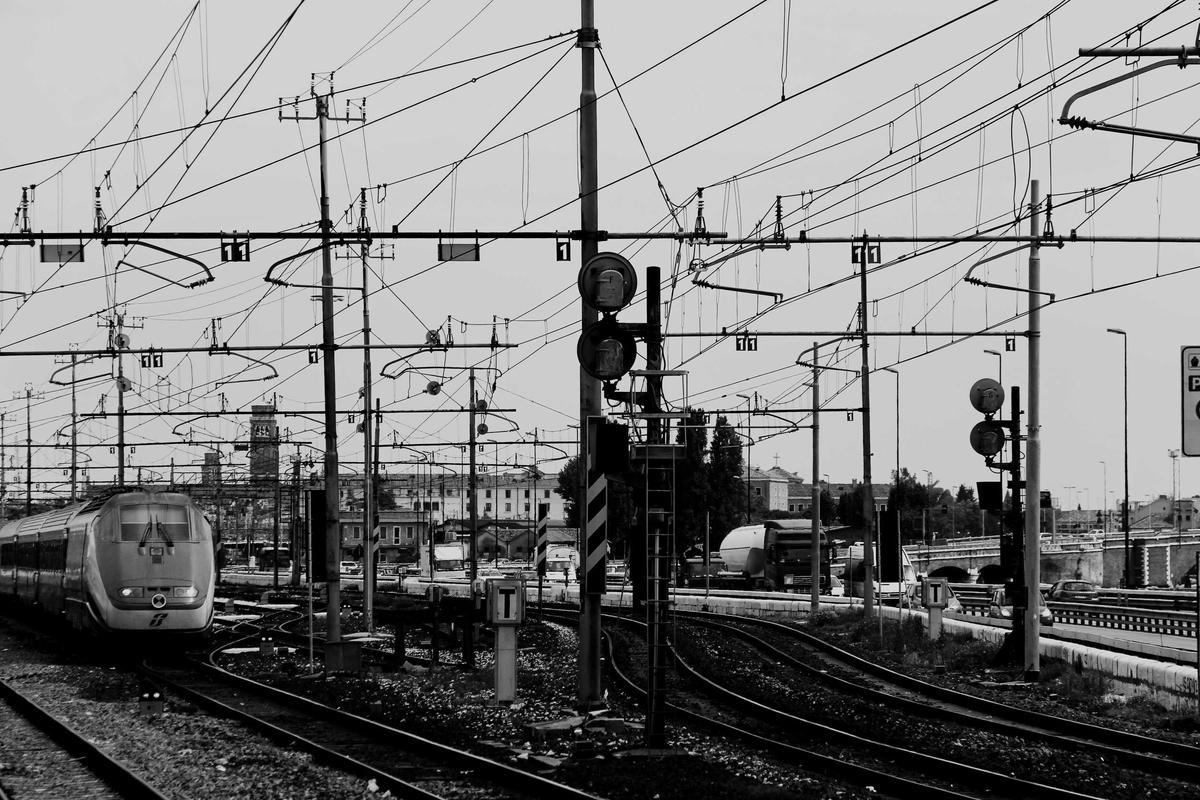
The National Grid today published a household energy savings guide. This is not a policy document. It is a practical advisory to mitigate the current price surge. The timing is precise, the grid is under tangible stress as winter demand rises and renewable intermittency strains baseload supply.
The guide offers actionable steps, from smart meter optimisation to thermal insulation upgrades. It is data-backed: the average household could reduce consumption by 12-15% through behavioural changes alone. That figure matters. It represents a direct reduction in the UK's energy import bill and a marginal increase in grid stability.
But this should not distract from the systemic issue. The National Grid is effectively asking households to compensate for a lack of strategic generation capacity. The UK's energy mix remains dangerously reliant on gas and nuclear, with renewables still lacking sufficient storage. Until we deploy grid-scale batteries or hydrogen storage at scale, these advisory guides will remain a stopgap.
The guide's recommendations align with the Physics of energy efficiency. For instance, lowering the flow temperature on your boiler from 70 to 50 degrees Celsius can reduce gas use by 20% with a negligible change in perceived warmth. That is a thermodynamic fact, not a policy suggestion. Yet the question remains: why should individual citizens have to become amateur engineers to keep their homes warm?
The document also addresses peak demand shifting, advising washing machines and dishwashers after 10pm. This is a classic grid management technique, but it assumes household flexibility that not everyone possesses. For shift workers, the elderly, or those in poorly insulated homes, the guide is less applicable.
The broader context is that the UK energy market is in transition. The cost of renewables is now lower than fossil fuels for new builds, but the legacy infrastructure creates embedded costs. The climate crisis demands we decarbonise at speed, but this speed comes at a price. The guide is a temporary measure. It is not a solution.
The message from the National Grid is clear. They are operating within constraints. The true solution requires investment in storage, interconnection, and domestic generation. Until then, the burden falls on the consumer. This is not alarmism. It is physics. The energy transition will be uncomfortable, but it is non-negotiable.