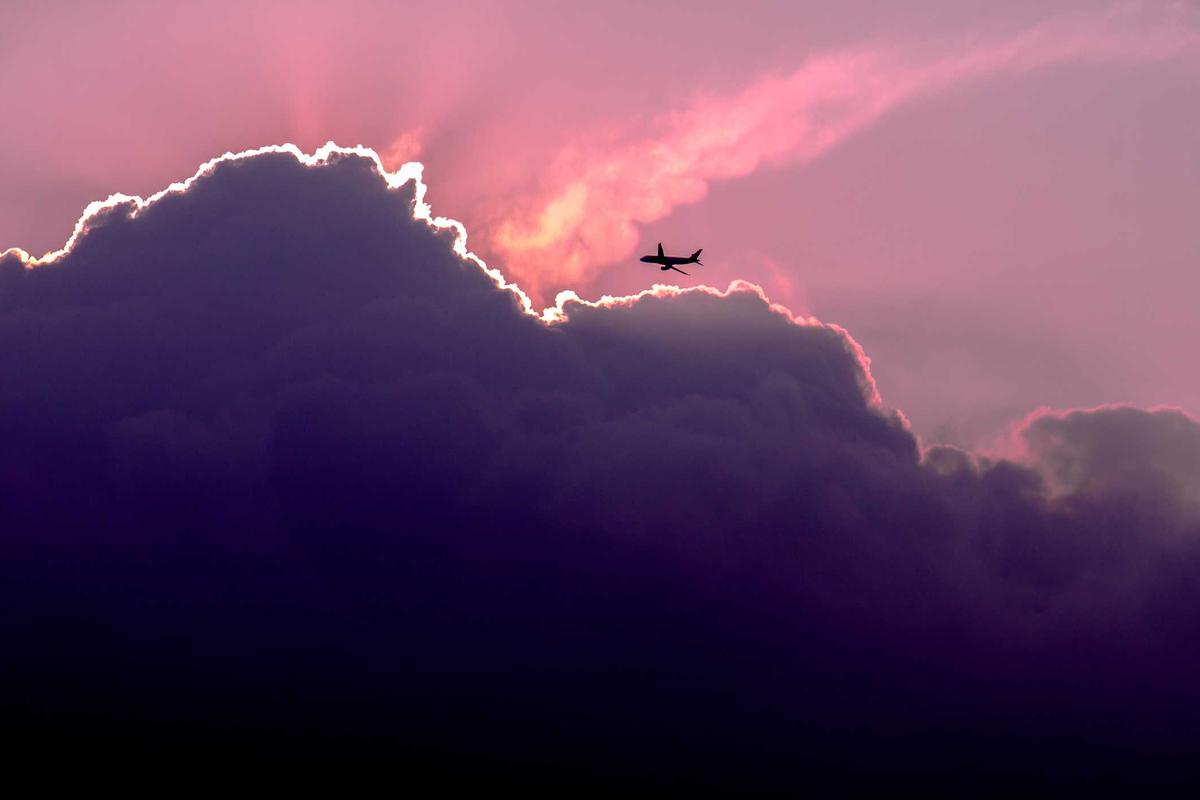
A fresh inquiry has been demanded into the Air India crash that killed 158 people last month, as a bitter dispute erupts between investigators and the airline over the root cause of the disaster. Sources close to the investigation say the initial report, due next week, has been delayed after the crew union accused the airline of scapegoating pilots to avoid scrutiny of systemic failures.
The crash, which occurred during a storm at Mangaluru International Airport, has been attributed by the airline to pilot error, specifically a failure to abort the landing when visibility dropped. But the union representing the pilots has fired back, releasing leaked cockpit transcripts that suggest the aircraft’s autothrottle system malfunctioned, and that the crew received conflicting warnings from ground radar.
The dispute has now escalated to the highest levels, with the Ministry of Civil Aviation ordering a second, independent review panel. “We cannot allow a tragedy of this magnitude to be reduced to blame-shifting,” said a ministry spokesperson. “The public deserves answers that are transparent and technically sound.”
Tech experts have raised concerns about the Airbus A320’s fly-by-wire system, which has been implicated in previous incidents. The system, designed to prevent pilots from making dangerous inputs, may have overridden critical commands during the final approach. “We are seeing a pattern where automation complexity obscures human decision-making,” said Dr. Anjali Sharma, an aviation safety researcher at IIT Bombay. “In this case, both the crew and the machine may have been confused about who was in control.”
The demand for a new inquiry has been fueled by the discovery that the airline’s maintenance logs contained anomalies. A whistleblower has claimed that a known issue with the aircraft’s thrust reversers was not flagged as a priority, despite a manufacturer advisory. Air India has denied the allegation, stating that all safety protocols were followed.
For the families of the victims, the war of words has been devastating. “We are not interested in finger-pointing,” said Ramesh Patel, whose wife was on the flight. “We want to know what really happened so this never happens again. But the longer they argue, the more we suspect something is being hidden.”
The new inquiry will be led by a former Supreme Court judge and will include international experts from the US National Transportation Safety Board. It is expected to take six months. But critics warn that the delay could erode public trust in India’s aviation regulator, which has been criticised for understaffing and lack of independence.
Tech analyst Julian Vane notes that this case echoes a broader challenge in the age of smart systems. “We are entering an era where algorithms co-pilot our lives, and when they fail, we must design transparent accountability mechanisms. In aviation, that means black boxes not just for data, but for decision logic.”
As the investigation unfolds, one thing is clear: the truth about this crash will not come from a single source. It will require a forensic examination of human, machine, and organisational factors. The new inquiry, if conducted with rigour, could set a global precedent for how we investigate accidents in a world of increasing automation.