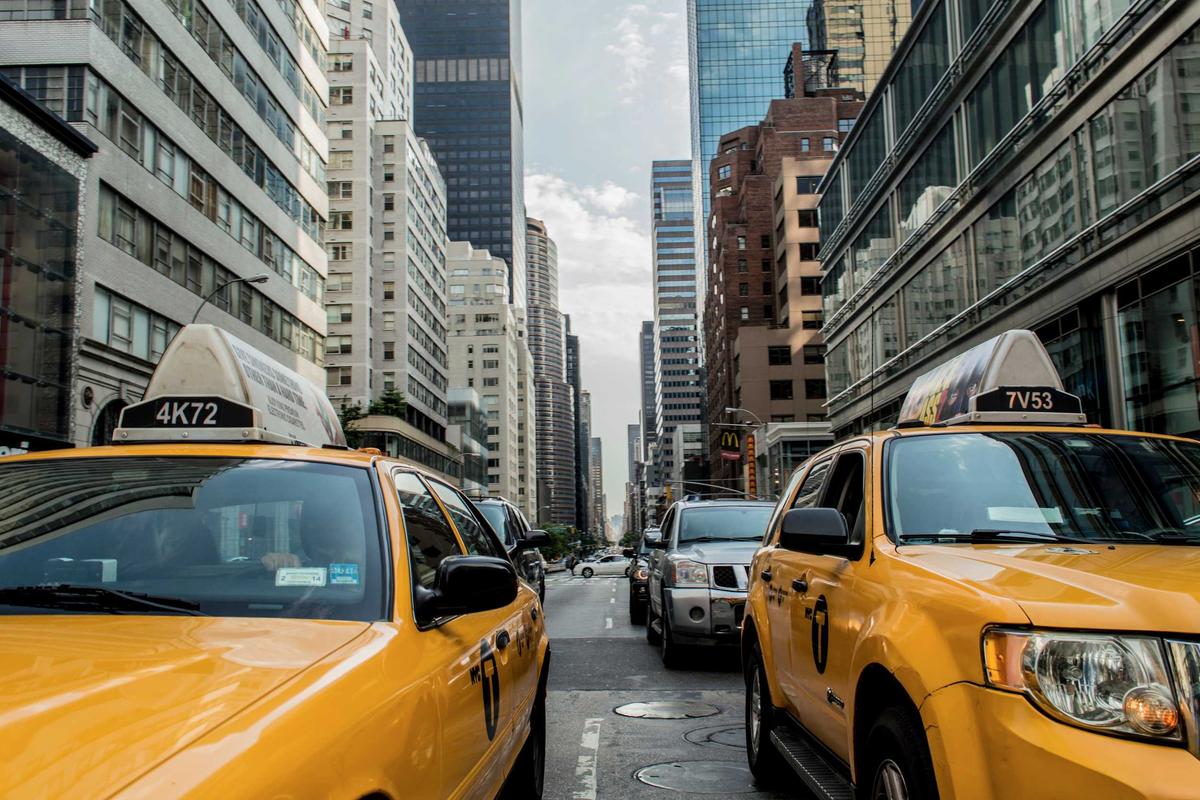
A 16-year-old girl died late Tuesday evening in Manhattan when a horse-drawn carriage, popular among tourists, was struck by a speeding taxi. The incident occurred at the intersection of 59th Street and Fifth Avenue, a bustling area adjacent to Central Park. Emergency services pronounced the teenager dead at the scene. The driver of the taxi, a 34-year-old man, sustained minor injuries and was taken into custody for questioning. The horse, which also suffered injuries, was treated by veterinary staff.
The accident has reignited a long-running debate about the safety and regulation of horse-drawn carriages in New York City. While the industry has faced criticism from animal rights groups and some residents, it remains a significant tourist attraction, generating an estimated $10 million annually. The tragedy highlights a regulatory vacuum: the carriages, which operate under a special permit system, are not required to have protective barriers or modern safety equipment such as lights or reflectors. Additionally, the routes they take often overlap with busy roadways used by taxis, rideshares, and private vehicles.
Mayor Eric Adams, who has previously expressed support for the industry as part of the city's heritage, announced an immediate review of safety protocols. 'We will leave no stone unturned,' he stated. 'No family should have to endure this loss.' Critics argue that the mayor's response is insufficient, calling for a permanent ban. 'This is a preventable tragedy that underscores the inherent danger of mixing 19th-century transport with 21st-century traffic,' said Patrick Kwan, director of the advocacy group NYCLASS.
The carriage's operator, a licensed driver with no prior violations, told police he had no time to react. 'It was chaos. The horse spooked, and then the car came out of nowhere,' he said, according to a police source. The vehicle has been impounded for mechanical inspection. Investigators are also examining whether the taxi driver was using a mobile phone at the time of the crash, a common factor in urban accidents.
The death has sparked a broader conversation about tourism safety. New York City welcomed 62 million visitors in 2023, and incidents like this erode confidence in the industry. 'We are seeing a pattern where the desire to preserve a certain aesthetic or tradition is placed above human safety,' said Dr. Eleanor Hughes, a transport safety analyst at Columbia University. 'Horse-drawn carriages on public roads during peak tourist hours is an accident waiting to happen.'
As the city mourns, the evidence mounts for reform. But the political landscape is fraught: the carriage industry enjoys support from some quarters, including unions representing stable hands and drivers. Calls for an outright ban have stalled in the city council, where a 2022 proposal failed to gain traction. For now, the focus remains on the grieving family and a systemic issue that shows no signs of resolving itself.