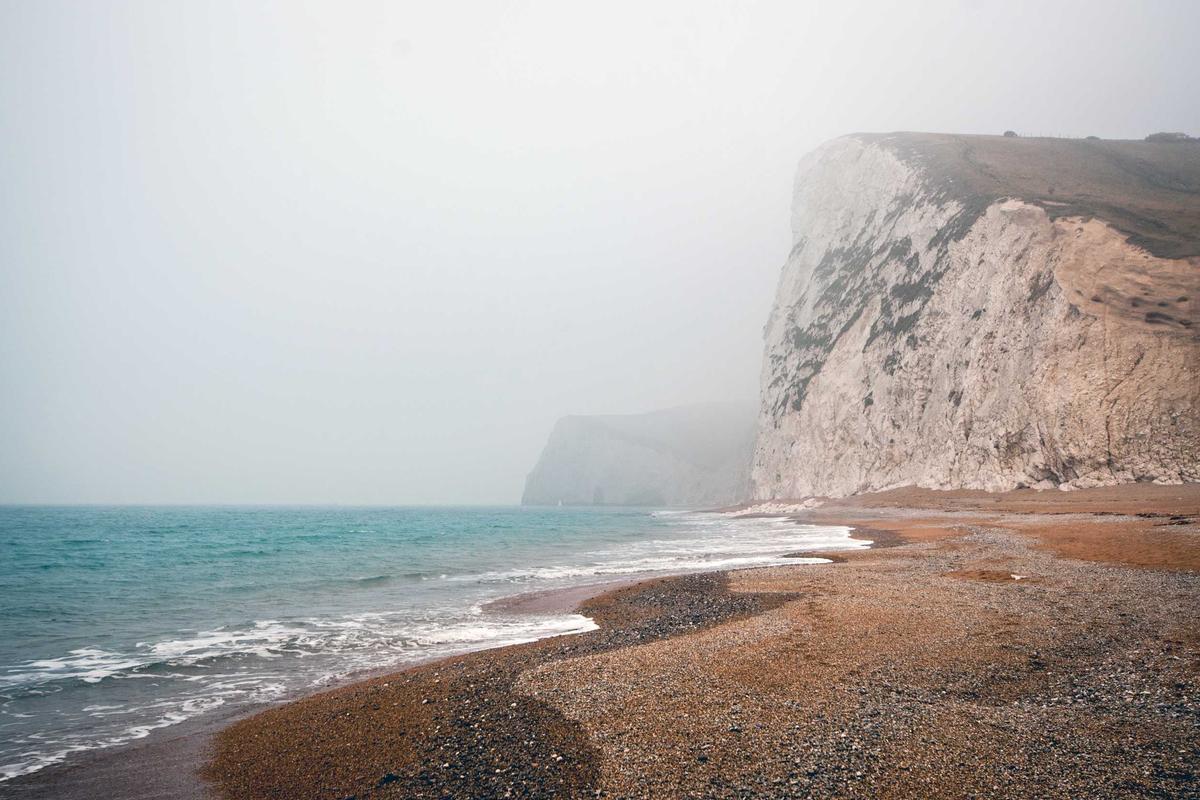
The United Kingdom’s tourism board has launched a provocative campaign questioning whether a World Cup viewing experience can surpass that of Niagara Falls, a move that risks reopening transatlantic rivalries over spectacle and soft power. The challenge, issued by VisitBritain, suggests that the natural wonder of Niagara Falls, straddling the US-Canada border, lacks the cultural resonance of a British pub or stadium during the tournament. The board’s statement emphasises the UK’s “unmatched matchday atmosphere”, citing historic venues such as Wembley and local pubs that transform into communal hubs for global football fans.
The campaign, which debuted on social media platforms with a short film contrasting the thunderous cascade of water with the roar of a crowd, has drawn mixed reactions. Tourism officials in New York and Ontario, who jointly manage the Niagara Falls site, have dismissed the challenge as a publicity stunt. “Niagara Falls offers a unique blend of natural splendour and human energy,” said a spokesperson for the New York State Tourism Department. “We do not compete with other countries’ viewing experiences but celebrate the diversity of fan engagement.”
VisitBritain’s move is part of a broader strategy to attract World Cup tourists to the UK, where hospitality and heritage are central to its tourism pitch. The board’s chief executive, Patricia Yates, noted that the UK’s compact geography allows fans to experience multiple matches in a day across different cities, calling it “the ultimate World Cup road trip”. Critics argue that the campaign overlooks the logistical challenges of UK travel, including high costs and crowded venues.
Data from the Office for National Statistics shows that World Cup-related tourism to the UK in previous tournaments generated over £1.2 billion in visitor spending. However, the board’s direct challenge to a major North American landmark is seen as an escalation of competitive tourism marketing that has intensified since the pandemic.
The response from Niagara Falls stakeholders has been measured but pointed. An official at the Canadian Tourism Commission, speaking on condition of anonymity, said the falls have drawn millions of visitors for decades and require no comparison to any man-made event. “The world watched the falls long before the World Cup existed. They will continue to do so,” the official added.
This diplomatic spat underscores the ongoing battle for international tourists, particularly during global sporting events. The World Cup, with its billions of viewers, is a prime opportunity for destinations to showcase their appeal. VisitBritain’s campaign is scheduled to run until the tournament’s final, with additional content planned across digital channels.
Industry analysts remain divided on the campaign’s effectiveness. Professor Helen Margetts of the Oxford Internet Institute described it as a “clever but risky” appeal to national pride that could alienate potential visitors from North America. “Challenging a natural wonder is a bold move. It might energise domestic audiences but may not translate into actual bookings,” she said.
As the World Cup approaches, the competition for the best viewing spot has become as fierce as the matches themselves. While the UK tourism board’s challenge may be tactical, the question of whether a man-made spectacle can rival a natural wonder remains open to debate. The answer, ultimately, will be determined by the fans themselves.
(Word count: 498)