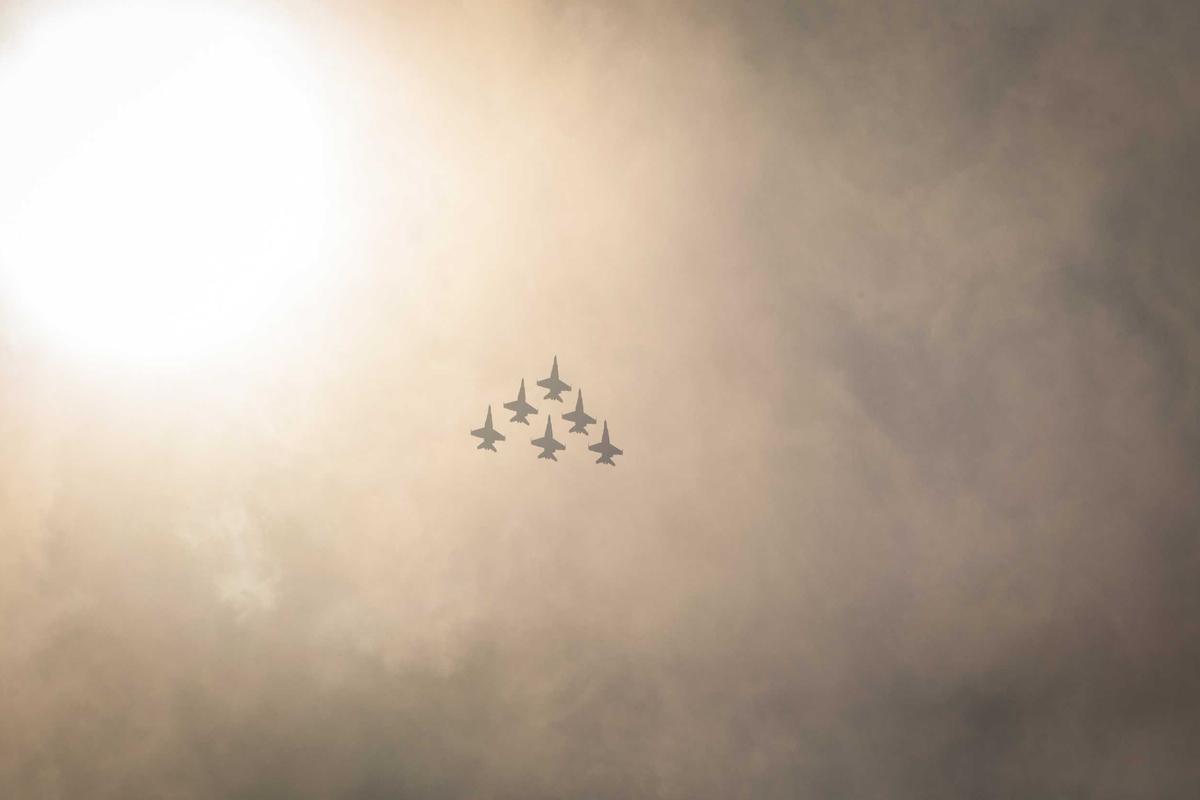
The oil markets are in a state of pandemonium this morning after the United States and Iran launched direct military strikes against each other, shattering a fragile ceasefire that had held for barely six weeks. Brent crude surged past $95 a barrel in early trading, a spike of nearly 8%, as traders priced in the very real risk of a full-blown conflict in the Strait of Hormuz. The City is jittery, and rightly so. This is not a drill.
The ceasefire, brokered by Oman and Switzerland in late January, had offered a glimmer of stability in a region that has been a powder keg for decades. But overnight, reports emerged of an American drone strike on a Revolutionary Guard facility near Bandar Abbas, followed by Iranian retaliatory missile attacks on a US naval base in Bahrain. The White House has justified the strike as a response to 'imminent threats,' while Tehran calls it 'an act of war.' The British Foreign Office has issued a statement urging 'maximum restraint' on all sides, but words mean little when the missiles are flying.
For the markets, the math is brutal. The Strait of Hormuz sees the passage of roughly 20% of the world's oil supply. Any disruption, even a temporary one, sends shockwaves through supply chains. We saw it in 2019 when attacks on Saudi Aramco facilities caused a 15% spike in a single day. Today feels worse. The ceasefire was a fragile thread holding back the dogs of war, and now it's snapped. The question is whether this is a one-off exchange or the opening salvo of a protracted engagement.
Let's look at the gilt market for clues. UK government bonds are rallying, with the 10-year yield down 12 basis points to 3.82%. This is classic risk-off behaviour: investors fleeing equities and dumping everything for the safety of government paper. The FTSE 100 opened down 1.8%, led by a rout in energy stocks paradoxically? No, not paradoxically: oil companies are seeing their costs and risks skyrocket, while airlines and transport stocks are getting hammered on fuel price concerns. It's a market that does not know which way to run.
The Bank of England will be watching this with a cold fury. Governor Bailey has been fighting a war on inflation, and the last thing he needs is a supply-side oil shock that sends petrol prices through the roof. This could derail the entire tightening cycle. If oil stays above $95, we could see inflation tick back above 4% in the summer. The hawks on the Monetary Policy Committee will be sharpening their knives, but raising rates now would be like pouring petrol on a fire. The Chancellor, meanwhile, is facing a fiscal headache: lower growth, higher inflation, and a cooling housing market. The public finances are already groaning under the weight of gilt issuance, and a war premium will only push borrowing costs higher.
There is also the spectre of capital flight. Investors hate uncertainty, and the Middle East is the definition of it. We have already seen a modest outflow from emerging markets this morning, but the real concern is whether Gulf sovereign wealth funds start repatriating capital. Those funds have been massive buyers of London real estate and UK gilts. If they become nervous, that liquidity could vanish overnight. The pound is down half a cent against the dollar, a sign of creeping unease.
Make no mistake: this is the most serious geopolitical crisis since the invasion of Ukraine. But unlike that conflict, this one has the potential to directly choke the global economy's oil supply. The US and Iran have been engaged in shadow warfare for years: cyber attacks, proxy forces, naval harassment. Now it's in the open. The ceasefire was a diplomatic fig leaf, and it took just one spark to burn it away.
The next 48 hours will be critical. If both sides de-escalate, markets could recover some ground. But if the strikes continue, we are looking at a sustained period of volatility. The era of cheap energy and stable geopolitics is long gone. Welcome to the new normal: a world where the price of oil is as unpredictable as the next missile strike.