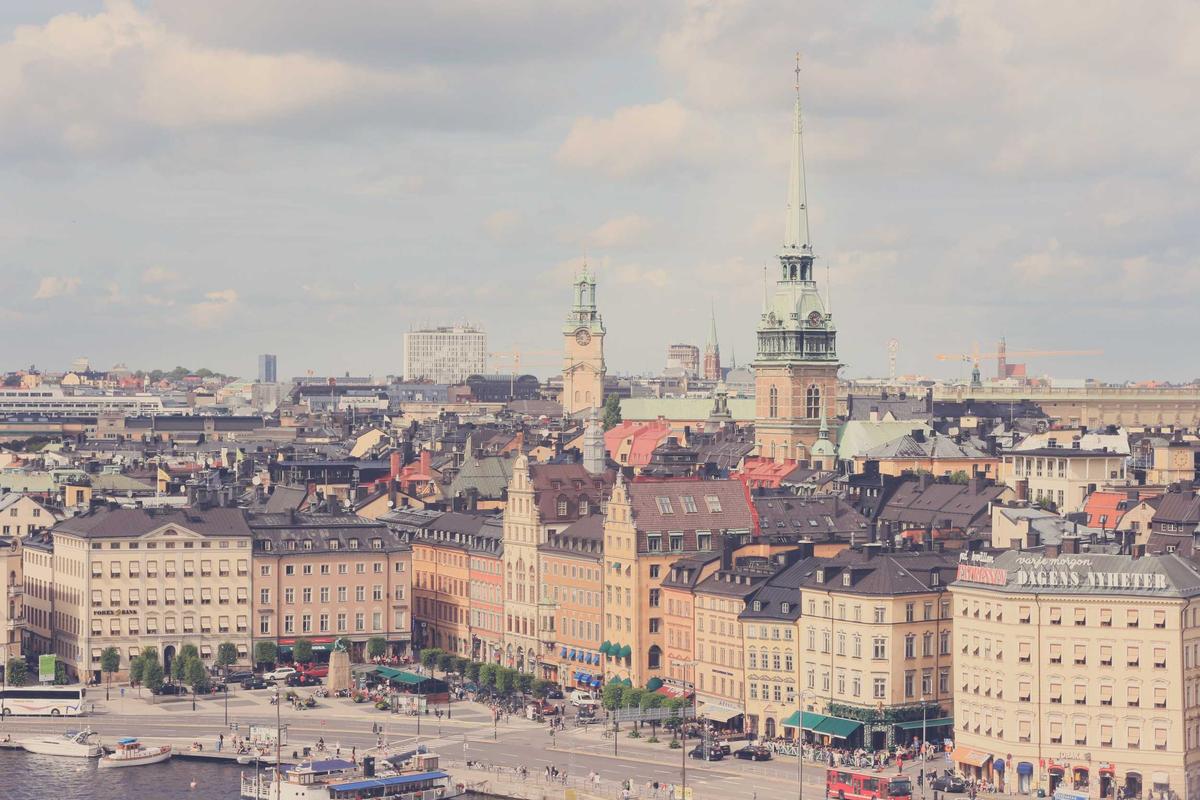
In a move that feels both pragmatic and quietly desperate, the City of Light has placed restrictions on alcohol sales as a punishing heatwave that has gripped southern and central Europe begins its slow migration eastwards. The decision, announced this morning by the Parisian prefecture, limits the sale of takeaway alcohol between 10am and 6pm for the next three days, in an effort to prevent public disorder and heat-related health incidents among the city’s more vulnerable populations. The move is the latest signal that Europe’s summer of extreme weather is far from over, even as Britain’s Met Office points, with characteristic understatement, to the UK’s ‘world-class’ resilience measures.
But for those of us who live in Britain, where the phrase ‘sunny spells and scattered showers’ is a national mantra, the question looms: can a society that has built its identity on queuing for ice cream and complaining about the heat really claim resilience in the age of climate breakdown? The French, ever the pragmatists, have chosen to address a predictable social consequence of heatwaves: when the mercury rises, so does alcohol consumption and the rowdiness that follows. Parisian bars and restaurants remain open for sit-in customers, but the ban on picnics with wine in the city’s parks is a tacit admission that the French art de vivre has its limits when the pavement begins to shimmer at 40°C.
For the British, the comparison is uncomfortable. Our own heatwave plans involve press releases about staying hydrated and checking on elderly neighbours, alongside the occasional hosepipe ban. The Met Office’s claim of world-class standing is not without merit: the UK has invested in early warning systems, cool zones in public buildings, and a network of weather watchers.
But the real test comes when the heat hits the streets, the tube stations become ovens, and tempers fray in supermarkets stripped of ice cream and cold beer. The human cost of these events is not just in heatstroke statistics but in the small, gritty details: the delivery driver who collapses on a tarmac melting at 50°C, the single mother in a top-floor flat with no lift, the elderly man whose pension doesn’t stretch to air conditioning. Paris’s alcohol restrictions highlight a cultural shift in how we view public behaviour and state intervention.
In a city that worships the cafe terrace, the idea of policing where you can drink feels almost heretical. But necessity, as the saying goes, has a way of reframing our freedoms. The British approach has traditionally been laissez-faire: trust the public to be sensible, but step in if things go awry.
Yet as heatwaves become more frequent and intense, our baseline of ‘normal’ must shift. The UK’s resilience measures are indeed robust on paper, but resilience is not just a matter of infrastructure. It is a social phenomenon, a collective behaviour.
Can we really rely on the British stiff upper lip when the mercury hits 40°C and the grid creaks? The Parisian example suggests that sometimes the state must step in to guard against our own worst instincts. The real story here is not the alcohol ban itself, which will likely be a temporary measure, but the recognition that extreme weather demands a renegotiation of our daily lives.
For Britain, the heatwave moving east offers a foreshadowing. Our resilience may be world-class, but the true test of a society is how it protects its most vulnerable when the pavement is too hot to walk on.