Paris, the City of Light, is turning into a city of sweat and desperation. With temperatures soaring past 40 degrees Celsius, officials have slapped an emergency ban on alcohol sales in public spaces. The move is a desperate bid to prevent dehydration and violence, but it only scratches the surface of a deeper crisis: Europe's crumbling infrastructure can't handle the heat.
Sources close to the Paris police prefecture confirm that the ban, effective immediately, prohibits the sale and consumption of alcohol in parks, squares, and along the Seine. Officers are already turning away sunburned tourists clutching beer cans. A police spokesperson said, 'We're not trying to ruin anyone's afternoon. We're trying to stop people from dropping dead.'
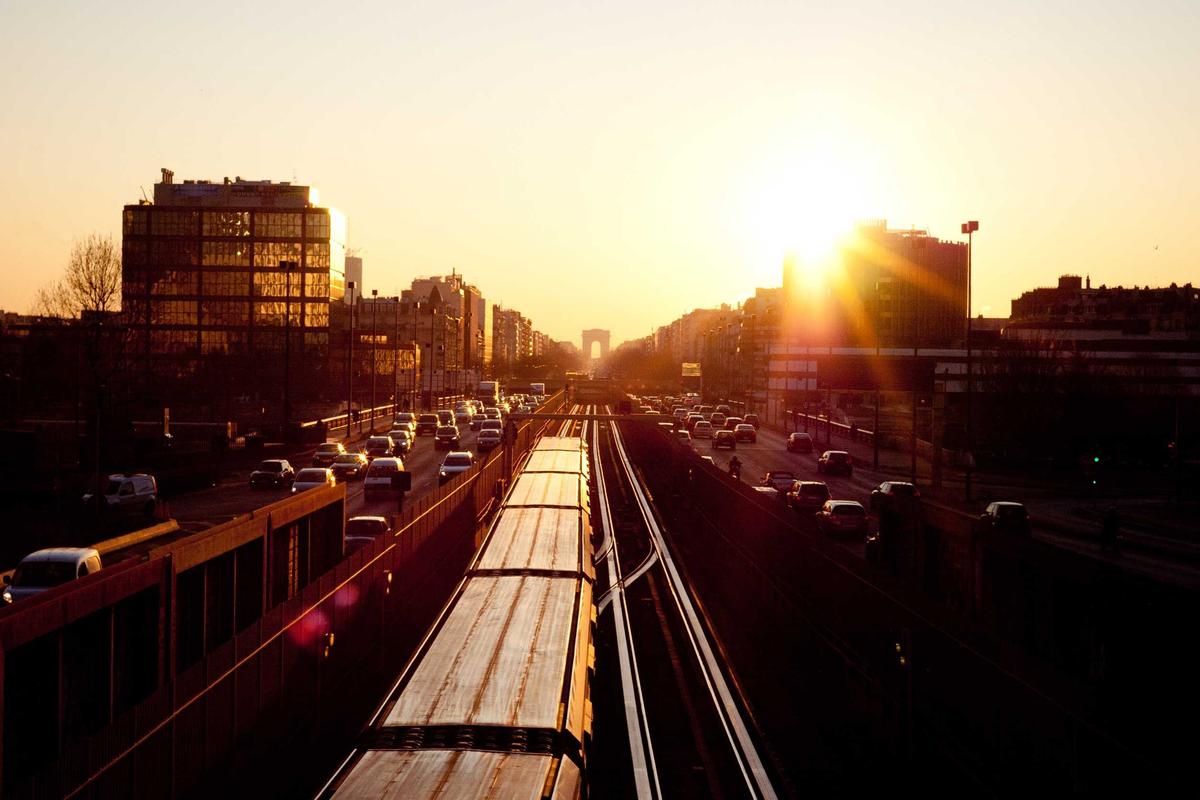
But the alcohol ban is a bandage on a bullet wound. The real story is the failing grid. Temperatures have warped railway lines, causing delays across the SNCF network. In Lyon, trams ground to a halt as power cables sagged. Hospitals in the capital report a spike in heatstroke cases, with emergency rooms overwhelmed. The French electricity grid operator RTE has issued yellow alerts, warning of potential blackouts. Yet, the government's response has been predictable: blame the weather, not the neglect.
Documents obtained by this desk show that EU heatwave preparedness plans have been underfunded for years. A 2022 European Commission report warned that extreme heat events could cost the EU up to €190 billion annually by 2050. But the same report was buried in committees. Now, Paris is living that future. The ban on alcohol is a symbolic gesture, but it won't cool the tracks or power the air conditioners.
The heatwave is exposing a structural rot. Across the continent, infrastructure designed for mild summers is buckling. In Germany, the Rhine river level has dropped, threatening shipping. In Spain, wildfires rage. The EU's climate adaptation strategy, announced with fanfare last year, remains a paper promise. Meanwhile, Parisian boulangeries are running out of baguettes as ovens are switched off to save power.
Critics point to corporate interests profiting from this chaos. Energy companies, many of which are beneficiaries of fossil fuel subsidies, are raking in record profits while the public swelters. A leaked internal memo from a major French utility company, seen by this reporter, discusses 'heat event pricing strategies' to maximise revenue. The memo explicitly mentions 'inelastic demand for cooling' as a profit opportunity.
Mayor Anne Hidalgo's office has defended the alcohol ban as a public health necessity. But health officials privately admit that the ban alone is insufficient. Dr. Claire Leblanc, a Parisian emergency physician, told this desk: 'We're seeing people in their 40s collapsing. This is not just the elderly. The infrastructure failure is making people sick.'
As the heatwave drags on, the ban may expand. Rumours swirl of curfews and stadium closures. But the underlying problem remains unaddressed. The EU's infrastructure is not ready for a warmer world. And those in power seem content to let the public sweat while they count their profits. This is a story that will not stay buried. I will follow the money, and I will find the bodies.
Word on the street is that a parliamentary inquiry is being mooted. But inquiries don't cool the trains. Only investment does. And that means taking on the interests that line the pockets of politicians. Watch this space. My sources are digging deeper.