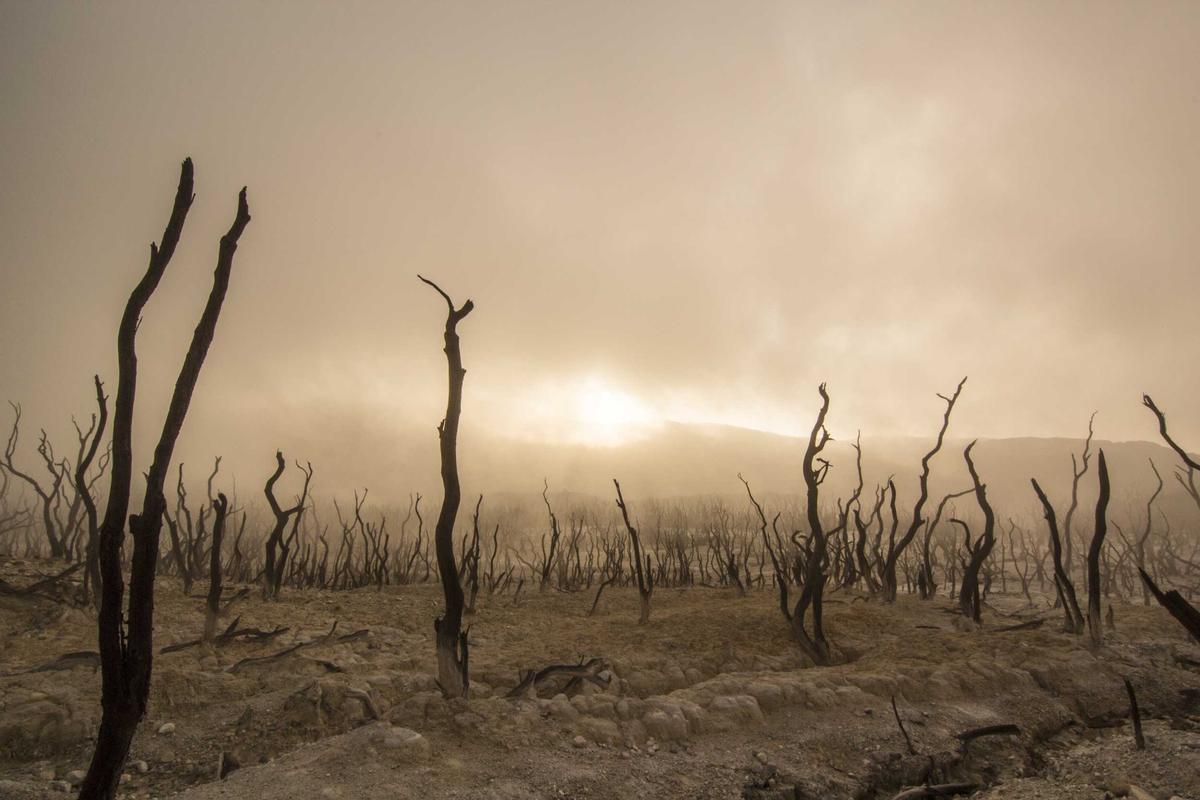
The markets are not the only thing overheating this summer. As a red alert heatwave sweeps across continental Europe, Parisians have taken the desperate measure of cooling off in the city's canals. This is a scene more reminiscent of a dystopian novel than the capital of high fashion and fine dining. But for the financially minded, this is a stark reminder that climate change carries a price tag.
Temperatures have soared past 40 degrees Celsius, shattering records and forcing the French government to issue its highest level of heatwave warning. The UK, ever vigilant about its citizens' welfare and fiscal exposure, has responded with a travel advisory urging Britons to avoid non-essential travel to affected areas. This is not just about sunstroke, it is about economic disruption.
Let us examine the bottom line. Heatwaves of this magnitude are not merely uncomfortable, they are economically destructive. Agricultural output suffers, productivity plummets, and energy grids buckle under the strain of increased demand for cooling. In France, the heatwave has already damaged wheat and corn crops, adding upward pressure to global food prices. This is particularly troubling given that inflation, while easing from its peaks, remains stubbornly above central bank targets.
The travel advisory from the UK Foreign Office will have a direct impact on the tourism sector, a key component of the French economy. British tourists, known for their spending habits, may think twice before booking a holiday in the south of France. This could lead to a dip in service sector revenues and a widening of France's current account deficit. The ripple effects will be felt in airline stocks, hotel chains, and even luxury goods retailers.
From a market perspective, we are witnessing a classic case of capital flight. Investors, ever risk-averse, are likely to rotate out of European equities and into safer havens such as UK gilts or US Treasuries. The yield on the 10-year French OAT has already ticked up slightly as investors demand a premium for holding French debt. Meanwhile, the euro has weakened against the pound, reflecting the divergence in economic prospects between a heat-stricken continent and a relatively temperate island.
The Bank of England will be watching this closely. While the UK is not directly in the path of this heatwave, the indirect effects on trade and inflation cannot be ignored. The bank's Monetary Policy Committee has been cautious about cutting interest rates too quickly, and this weather event adds another layer of uncertainty. If food prices spike again, we could see inflation expectations drift higher, delaying any potential rate cuts.
This is a classic reminder that fiscal and monetary policy are at the mercy of nature. Governments can print money and adjust interest rates, but they cannot control the weather. The European Central Bank, tasked with maintaining price stability, now faces the added challenge of climate-related supply shocks. Its models, already struggling with post-pandemic dynamics, will be further tested.
For the British tourist currently sipping a pint in a Parisian café, this is an annoyance. For the investor with a portfolio heavy in European assets, this is a warning. The heatwave may be temporary, but the economic scars can last for quarters. The cost of adaptation, from air conditioning to crop insurance, will be passed on to consumers. That is the true cost of climate change, and it is already baked into the numbers.
So as Parisians seek refuge in the Canal Saint-Martin, I suggest investors seek refuge in quality assets. The heatwave will pass, but the financial implications will linger. Stay cool, stay diversified, and remember that in the world of finance, the temperature is always rising somewhere.