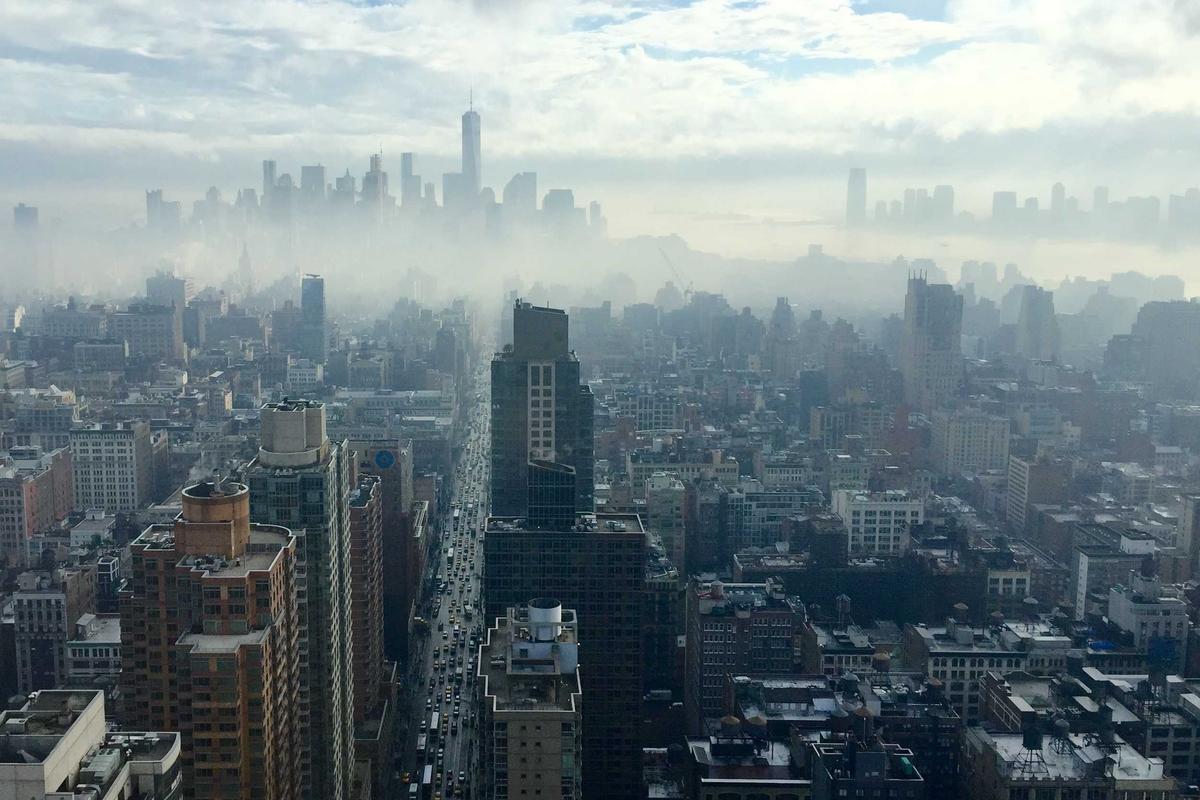
As temperatures in Paris hit a scorching 42°C, residents have been seen seeking refuge in the city’s canals, a stark reminder of the human cost of extreme weather. The French capital has been placed under a red alert heatwave, the highest level, with authorities urging people to stay indoors. But for many, the only escape is the water.
Meanwhile, across the Channel, the UK is facing its own heatwave, though less severe. But the contrast in how the two nations cope highlights a key difference: investment in green infrastructure. While Paris, like many cities, struggles with concrete heat islands, London and other UK cities have been investing in parks, green roofs, and tree planting.
“It’s not just about aesthetics,” says Dr. Emily Sandford, a climate resilience expert at the University of Manchester. “Green spaces can lower temperatures by up to 5°C. They absorb rainwater, reduce flooding, and improve air quality. For working-class communities who can’t afford air conditioning, that’s a lifesaver.”
This isn’t just a climate story. It’s a story about inequality. In Paris, the poorest arrondissements have the least green space. They are the ones with nowhere to go but the canal. In the UK, the same pattern holds. A 2020 study by the Office for National Statistics found that the most deprived neighbourhoods have 10% less green space than the most affluent.
The UK government has pledged £80 million for urban tree planting and rewilding, part of its “levelling up” agenda. Critics say it’s not enough, but it’s a start. In Manchester, the city council has planted over 100,000 trees since 2005. In Birmingham, a new “city forest” is being created. The benefits are tangible: for every £1 spent on green infrastructure, the economic return is £30 through improved health, tourism, and flood protection.
But for families like the Jacksons in Tottenham, north London, the heatwave is a daily battle. “We don’t have a garden, and the local park is small,” says mother-of-three Sarah Jackson. “Last summer, we had to sleep in the basement because it was cooler. The council put up a few shade sails, but it’s not enough.”
It’s a familiar story across the North. In cities like Sheffield, Glasgow, and Newcastle, older housing stock and lack of shade make heatwaves more dangerous. Trade unions have called for better protections for outdoor workers, and for new homes to be built with cooling in mind.
“This isn’t just about Paris,” says Jessica Lee, a climate activist with Friends of the Earth. “It’s about every city. The UK is investing, but we need a mass tree-planting programme, better building regulations, and a shift away from concrete. The heatwave in Paris is a warning: we all need to cool down, and we need to do it before it’s too late.”
As the heatwave continues, with more records expected to fall, the lesson is clear. Green infrastructure isn’t a luxury, it’s a necessity. And for those on the front line of the climate crisis, it’s a matter of life and death.