Poland's state bus operator, PKS Gdynia, has confirmed the return of the summer service to the seaside resort of Hel, a route that has sparked international headlines for its number: 666. The line, known locally as the 'Highway to Hel', will run from 22 June to 31 August, connecting Wejherowo to Hel via the Hel Peninsula, a thin strip of land known for its beaches and kitesurfing. The story is a curious blend of tourism, superstition, and regional economics.
The route number was originally chosen in 2006 as a simple designation, but religious groups, particularly the conservative Catholic organisation 'Solo Dominus', began a campaign against it. They argued the number was a satanic symbol and that it would corrupt the impressionable. The campaign led to the service being temporarily suspended in 2017, causing an uproar among locals and tourists who had embraced the route for its novelty and convenience.
For the people of Hel, a town of 3,500 that swells with summer tourists, the bus is a lifeline. 'Without this bus, many young people can't afford to get here,' said Maria Kowalski, a local hotel owner. 'The train is expensive and doesn't run as often. My staff rely on the 666 to get to work.' The revival comes after a petition signed by over 5,000 residents and a deal struck with the local council that saw PKS Gdynia operate a separate 'Hel Bus' for those uncomfortable with the number. This compromise appears to have placated the religious lobby, though some conservative commentators remain critical.
The controversy, however, is more than a spat over numerals. It reflects a deeper tension in Polish society between a Catholic identity and the push for secular modernity. The number 666, derived from the Book of Revelation, is seen as the 'number of the beast', but to many Poles, it is a silly marketing gimmick that puts their region on the map. 'The fuss proves that people have too much time,' said local fisherman Janek Nowak. 'We've got bigger problems, like the price of fuel and the lack of young people staying in the area.'
The economic impact is real. The Hel Peninsula is a prime tourist destination, but it suffers from seasonal unemployment. The bus route, bringing workers and visitors at a low cost, helps keep local businesses afloat. The route's notoriety has also made it a minor international attraction, drawing curious travellers who tweet the classic cliché of a 'ride to hell'.
PKS Gdynia stated that the decision to reinstate the number 'was based on public demand and practical considerations'. The company noted that the route had never been officially cancelled, but the service was suspended due to pressure. The revival signals a quiet victory for pragmatism over moral campaigners, but the compromise route shows that the cultural war here is far from over.
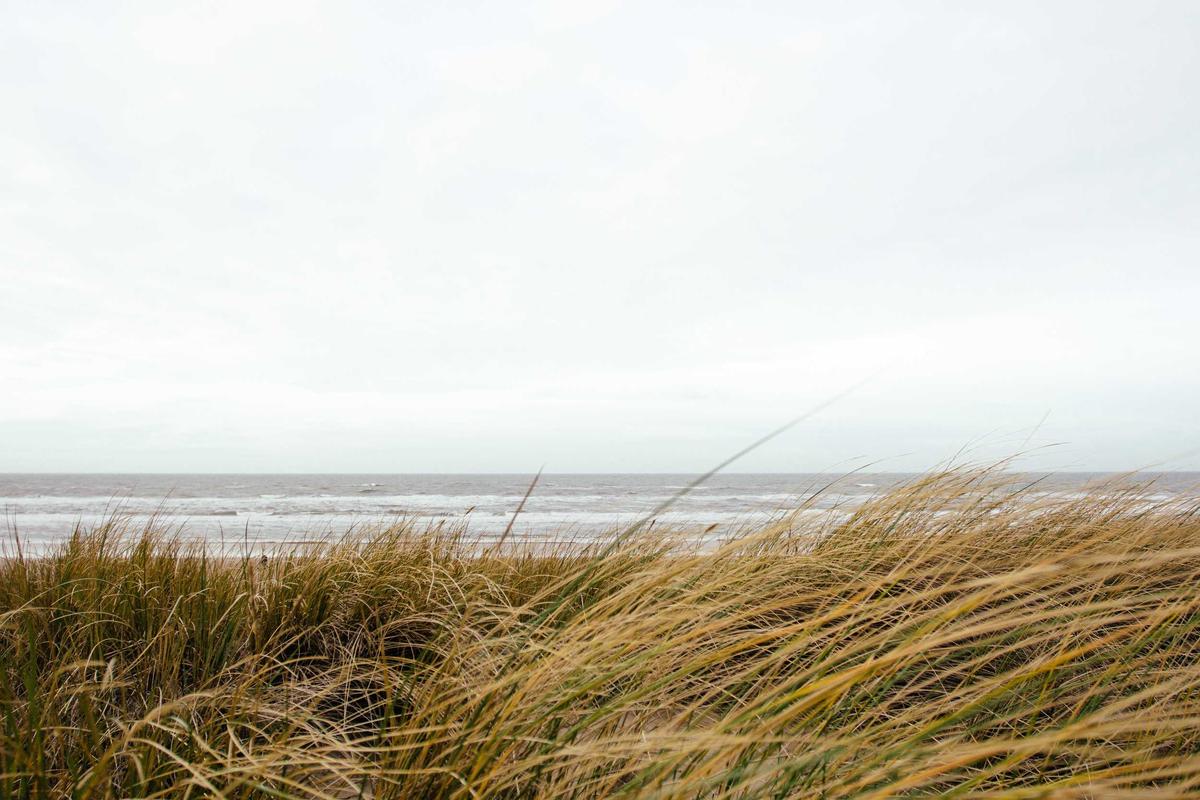
As the bus lurches along the cobbled streets of the peninsula, passengers will glimpse the Baltic Sea on one side and pine forests on the other. They will hear the screech of gulls and the chatter of holidaymakers. And they will see the number 666 lit up on the front, a reminder that in the real economy of jobs and wages, superstition yields to the simple need to get from A to B.