The devil is in the details for residents of the Polish seaside town of Hel, as a controversial bus route bearing the number 666 is set to return this summer. The service, which links the nearby town of Władysławowo to the Hel Peninsula, has been a flashpoint for cultural clashes between secular tourism and Catholic tradition since its inception.
For locals like Marta Kowalski, a shopkeeper in Hel, the route is a welcome boost to the local economy. “Tourists love the novelty,” she says, wiping down a counter in her convenience store. “It brings in visitors who spend money on ice creams, souvenirs and boat trips. We need that after two years of uncertainty.”
The number 666, long associated with the biblical ‘mark of the beast’, has drawn ire from some religious groups and conservative politicians. In 2019, under pressure from the Catholic Church, the local council rebranded the service as route 666 to simply ‘Hel Bus’, citing sensitivity to Christian values. The move was met with ridicule from secular commentators and a petition signed by over 20,000 people demanding its reinstatement.
This year, the council has bowed to popular demand. “We listened to the public and the economic arguments,” says council spokesman Janusz Nowak. “Tourism is our lifeblood. The number 666 is a quirky landmark that people seek out. We cannot afford to ignore that.”
The revival is not without controversy. Father Tomasz, a local priest, warns the bus number is “a trivialisation of evil” that could offend the faithful. “We are not against tourism, but we must respect our values,” he says. “This is a Catholic country.”
Yet for many in Hel, the debate is a distraction from real concerns. Rising rents and living costs are squeezing locals out of the housing market as holiday lets proliferate. The average price of a two-bedroom flat in Hel has risen 40% in five years, while wages in the service sector lag behind.
“The bus number is a sideshow,” says Anna, a hotel receptionist. “What matters is that we earn enough to live here year-round. The tourists come for the beach, not the bus number.”
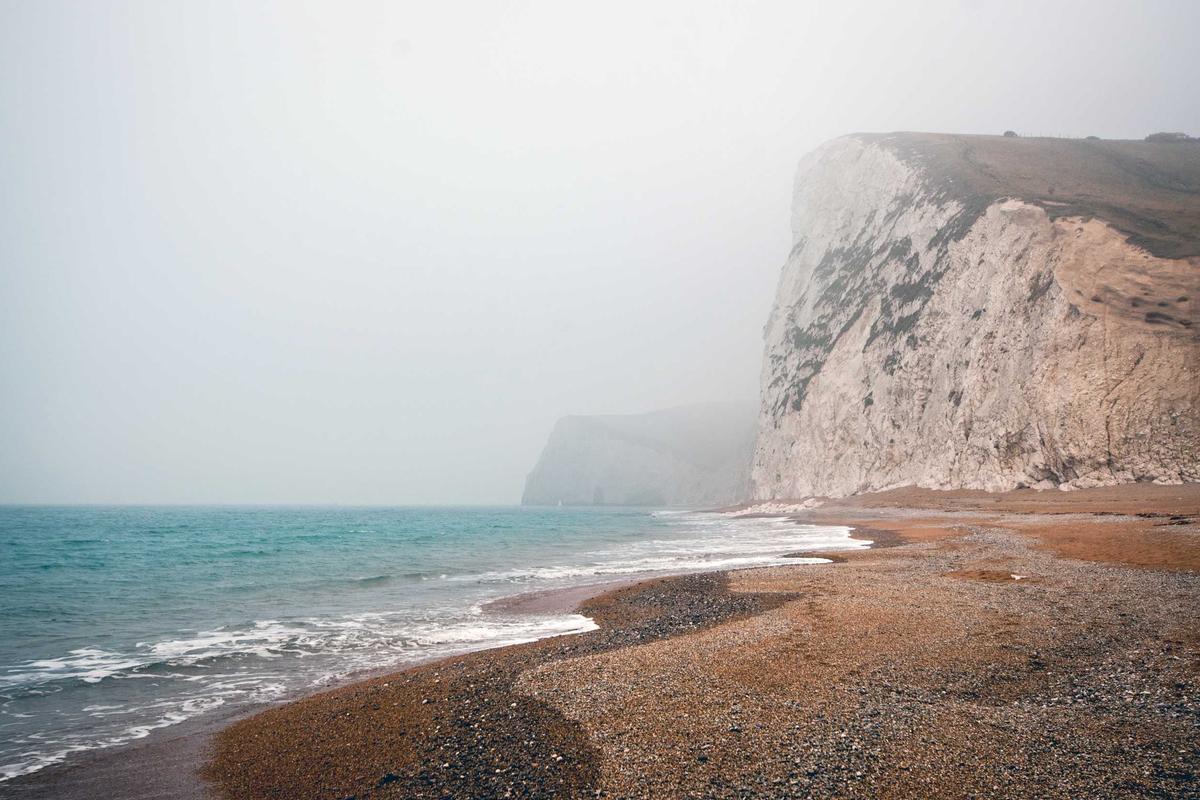
The 666 route, a 30-minute journey along a narrow strip of land between the Baltic Sea and the Bay of Gdańsk, is one of the most scenic in Poland. But its notoriety has made it a target for pranks and pilgrimages. Social media posts have circulated calling for a ‘Satanist convention’ on the bus, while others have planned ‘exorcism parties’ to counteract the ‘evil’ number.
Local bus driver Piotr, who has worked the route for five years, is philosophical. “I’ve had passengers dressed as devils, priests blessing the bus, even a wedding party. It’s a laugh. But at the end of the day, it’s just a number. People need to get from A to B.”
The bus operator, PKS Gdynia, expects the route to be a commercial success. Ticket prices remain unchanged at 9 złoty for a single journey (about 2.20 euros), a cost that is significant for low-income families but a bargain for tourists. The company says it will monitor demand and may increase frequency if needed.
For Hel’s residents, the return of the 666 bus is a symbol of the town’s uneasy relationship with tourism. The peninsula, a former fishing village, now attracts over a million visitors each summer. The seasonal influx brings money but also strains services, from water supply to waste management.
“We need a sustainable economy, not just a stunt,” says Marta as a group of teenagers photograph themselves beside a bus stop adorned with devil horns. “I’ll believe things are improving when my rent stops going up.”