Poland has revived a bus route along the infamous Hel Peninsula, a tongue-in-cheek reference to the devil’s number 666, igniting a fresh diplomatic row with Brussels. The service, which runs from the city of Władysławowo to the resort town of Hel, was temporarily suspended last year after EU officials objected to its name, citing ‘offensive religious imagery’. But the Polish government, led by a populist administration, has reinstated the line with a defiant flourish, painting ‘666’ in bold red on the side of each bus.
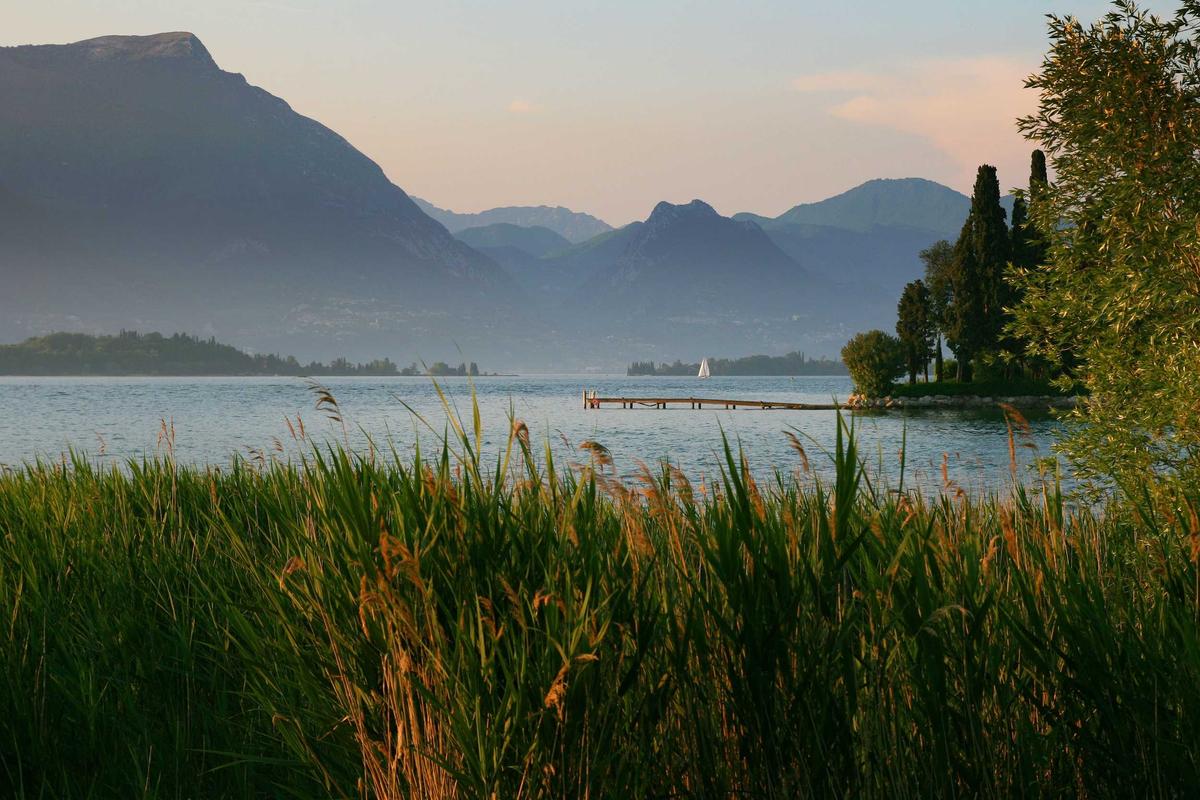
For residents of the Kashubian coast, the route is a lifeline. The narrow strip of land, which juts into the Baltic Sea, is dotted with fishing villages and summer homes. In winter, when gales lash the shore, the bus is the only reliable transport. ‘It’s daft that Brussels cares more about a number than about us getting to work or the hospital,’ said Maria Kowalski, a 58-year-old fishmonger from Hel, as she boarded the bus clutching a crate of smoked mackerel. ‘We’ve got higher costs for food and utilities. This is a real economy issue, not some theological argument.’
The revival is a calculated move by Poland’s ruling party, which has made a sport of picking fights with the EU. Last year, the European Commission threatened to withhold cohesion funds if the route was not renamed, claiming it violated EU values of ‘tolerance and respect’. But the Polish infrastructure minister pushed back in a press conference on Monday: ‘The EU should focus on inflation and energy prices, not on bus numbers. Our people need affordable travel, not lectures from bureaucrats.’
The row has exposed deeper fractures. Poland’s conservative Catholic base sees the protest as a defense of national sovereignty. The EU, tiring of Warsaw’s defiance, mulls sanctions. Yet on the ground, the bus is packed. Passengers pay a flat fare of 12 zloty (£2.40), a fraction of the cost of driving, as petrol prices hover near record highs. ‘My husband’s factory is on short time,’ said Ewa Nowak, a cleaner from Władysławowo. ‘Every zloty counts. This bus means I can visit my mother in Hel without breaking the bank.’
The route’s macabre nickname dates back to the 1990s, when a local wag painted the number on a timetable. It stuck, becoming a quirky tourist draw. But as Poland’s government has lurched rightwards, what was once a joke has become a symbol of resistance. The bus service now runs under a banner slogan: ‘No one dictates to Poland.’
EU officials are unamused. In a statement, a European Commission spokesperson said, ‘The use of such imagery is incompatible with the principles of the European Union. We urge Polish authorities to reconsider.’ But with elections looming, Warsaw sees no upside in backing down. The buses are already running, and tickets are selling fast.
For the workers who rely on it, the service is more than a political football. It is a thread linking isolated communities in a region where wages lag 20% behind the national average. ‘We don’t have the luxury of ideology,’ said a bus driver, who asked not to be named. ‘We just need to get people where they need to go. If that means driving route 666, then so be it.’