The return of bus route 666 to the Polish seaside resort of Hel has sparked a mix of amusement and concern among travelers. Known colloquially as the ‘Highway to Hel’, the service connects the city of Władysławowo to the tip of the Hel Peninsula, a narrow spit of land jutting into the Baltic Sea. The route number, long a source of dark humour, was suspended in 2013 after local Christian groups protested its satanic connotations, only for the bus company to reinstate it in 2016 due to popular demand. Now, with the summer season approaching, British tourists are being warned to expect delays and crowded conditions as the route resumes operation.
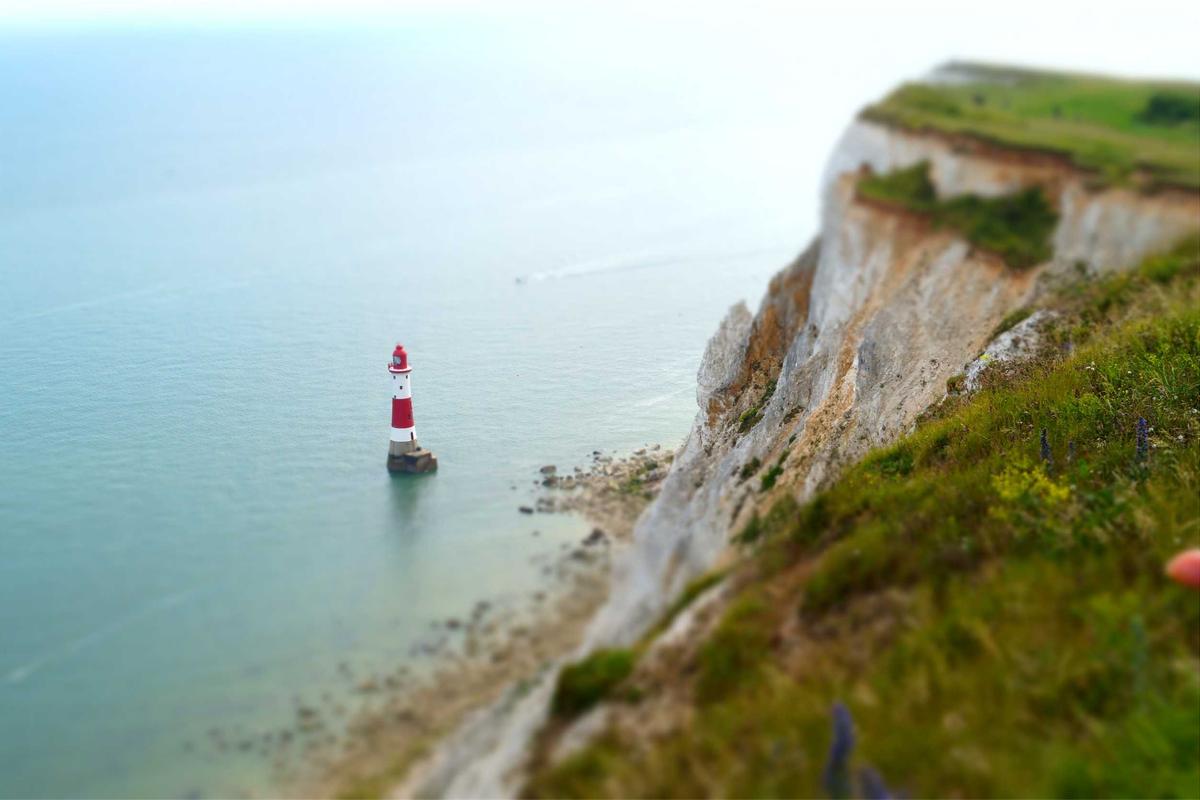
From a purely physical standpoint, this is a fascinating case of geological and logistical pressures. The Hel Peninsula is a dynamic coastal feature formed by longshore drift, constantly reshaping under the influence of waves and currents. The single road that runs its 34-kilometre length is narrow and prone to congestion, especially during peak holiday months. The bus route, operated by PKS Gdynia, became an unlikely tourist attraction in its own right, drawing visitors eager to travel on the diabolically numbered service. But the joy of riding ‘the 666’ is tempered by the reality of infrastructure constraints. The peninsula’s transport network is simply not designed for this volume of traffic, leading to frequent standstills.
Climate projections suggest that the Hel Peninsula will face significant changes over the coming decades. Sea-level rise is likely to accelerate erosion, potentially threatening the road itself. A 2021 study by the Polish Academy of Sciences indicated that the peninsula’s width could shrink by up to 20% by the end of the century under moderate emission scenarios. This raises questions about the long-term viability of settlements and transport links in the area. For now, the Ministry of Transport has issued guidance for tourists, advising them to book tickets in advance and consider alternative routes via ferry or bicycle to ease pressure on the road.
British tourists, who represent a substantial portion of visitors to Poland’s Baltic coast, are being specifically warned by the Foreign Office to check local travel advisories. The UK embassy in Warsaw has noted that the route’s popularity, combined with limited capacity, may result in passengers being left stranded. This is not a question of demonic intervention but of simple supply and demand. The number 666, while evocative, does not cause delays. Human behaviour and infrastructure limitations do.
In an era of increasing climate volatility, such localized disruptions may become more common. The Hel Peninsula is a microcosm of broader coastal vulnerabilities. As we burn fossil fuels, we are effectively gambling with the stability of such low-lying areas. The Highway to Hel is a reminder that our infrastructure choices have consequences. It is also a lesson in how superstition can coexist with scientific reality. The bus will run, the tourists will come, and the road will congest. The only devil here is our own inaction on climate change.