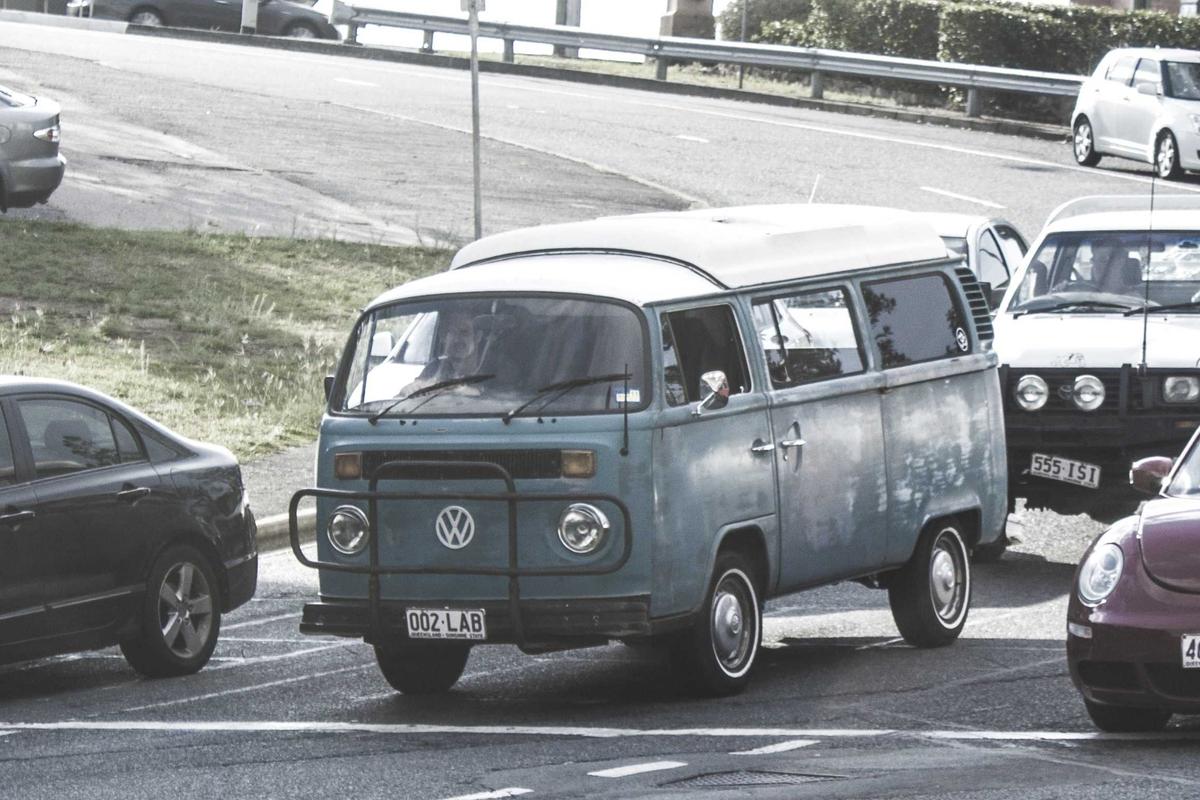
In a move that has drawn both cheers and scorn, Poland has reinstated the infamous bus route 666 to the seaside town of Hel. For British tourists, this is a welcome revival of a cheap and direct connection to a popular holiday destination. For local officials and some residents, the number 666 carries uncomfortable connotations, though market forces have evidently prevailed over superstition.
The route, which runs from the city of Władysławowo to Hel on the Hel Peninsula, was suspended in 2020 after complaints from conservative groups and local clergy. The decision to bring it back, announced by the regional transport authority, was driven by simple economics: tourist numbers were down and alternative services were inefficient. 'This is about supply and demand,' one official told me. 'We cannot afford to leave a gap in the market for the sake of a number.'
From a financial perspective, the logic is impeccable. British tourists, who flock to the Baltic coast for its relatively low prices and sandy beaches, have been vocal in their support. On forums and social media, they describe the route as a 'lifeline' for budget holidays. The irony is not lost on them: a route named after the devil is saving them money.
The controversy, of course, is about more than a bus number. It reflects a deeper tension between secular tourism and religious sensitivities. But as a fiscal analyst, I see this as a victory for efficiency. The route was generating revenue, and its cancellation was a costly concession to a vocal minority. Now, the market has corrected itself.
Critics argue that the number 666 is deliberately provocative. But the transport authority insists it is simply a coincidence of the numbering system. Route 666 existed for decades before the recent fuss. The real story here is that in a time of rising inflation and squeezed household budgets, every penny counts. British tourists, facing double-digit price increases at home, are voting with their feet and their wallets.
There is a broader lesson for policymakers. When you let ideology override economic logic, you create inefficiencies. The return of route 666 is a reminder that in a free market, consumer demand tends to prevail. Poland has realised that caving to superstitious demands was a fiscal mistake. Now, they are making amends.
For the City of London, this small story is a microcosm of larger trends. Capital flight to cheaper destinations, the resilience of consumer choice, and the futility of supply-side restrictions. The 'Highway to Hel' may be a gimmick, but it is a profitable one. And in the end, that is what matters.