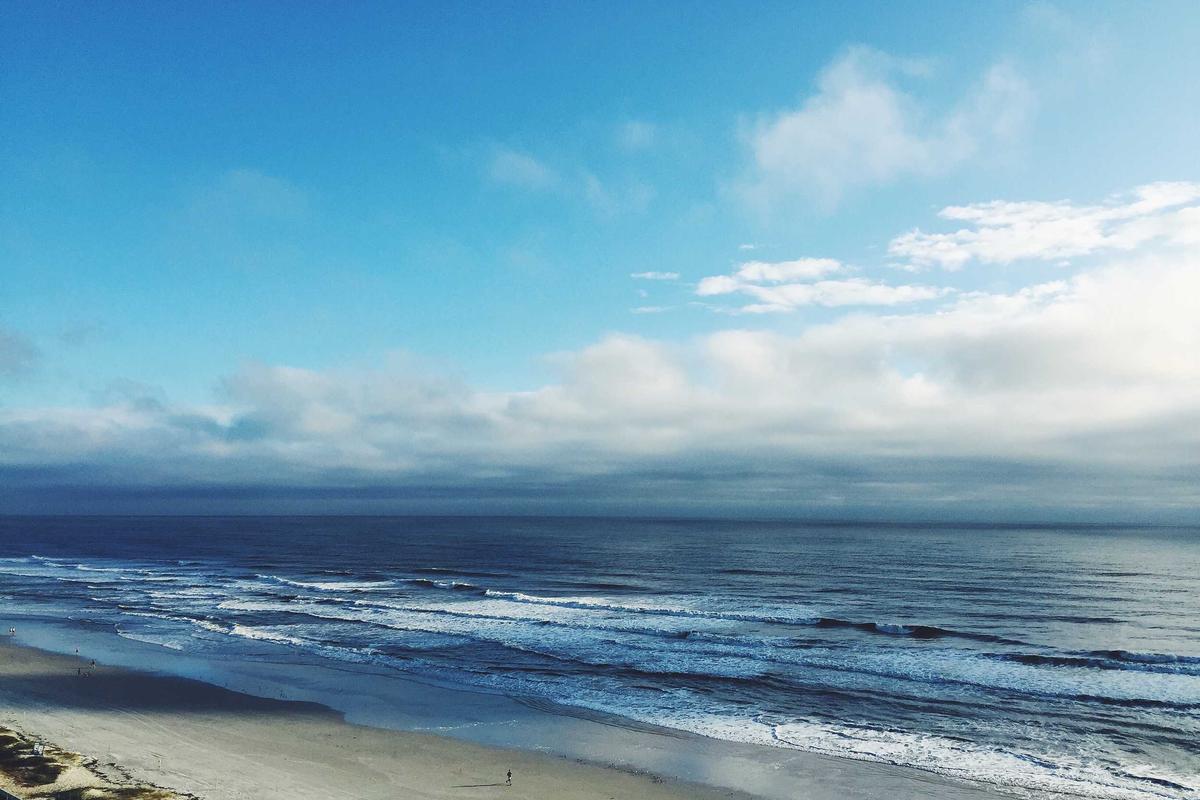
The image is striking and intentionally so. Pope Leo, standing on the volcanic shores of the Canary Islands, his white cassock whipping in the Atlantic wind, gazes out at the same waters that have swallowed thousands of souls. This week, the Pontiff made a pointed pilgrimage to the archipelago, now the grim epicentre of Europe’s most dangerous migration route. His message was as clear as the salt spray: ‘We cannot look away.’
But for the fishermen and local volunteers on the ground, the Pope’s presence felt less like a blessing and more like a long overdue spotlight. The Canary route, once a relative trickle, has become a flood. Over 40,000 people arrived on these shores in 2024 alone, many in overcrowded wooden pirogues launched from the coast of West Africa. The journey can take ten days. The death toll, estimated in the thousands, is a quiet horror that rarely makes front pages.
In a small port on Gran Canaria, I spoke with a woman named Sofia who runs a makeshift shelter. ‘We see the Pope on TV, but we need more than prayers. We need rescue ships, proper visas, and a Europe that remembers what humanitarian means,’ she said, wiping salt from her eyes. It was a reminder that for those on the front line, faith and politics are tangled in the same unbearable knot.
The timing is no accident. With far-right parties gaining ground across the continent and the UK’s own Rwanda scheme dominating headlines, the Pope’s visit forces a moral recalibration. The British government, in a carefully worded statement, praised the Pontiff’s ‘compassion’ while simultaneously calling for ‘urgent EU action on border security’. The subtext was unmistakable: solidarity for the Pope, but not for the policies he implicitly critiques.
There is a cultural chasm here. The Pope speaks of ‘welcoming the stranger’. European leaders speak of ‘stemming the flow’. On the streets of London, the word ‘migrant’ still carries a charge that splits dinner tables. But in the Canaries, there is no abstraction. People arrive with nothing but trauma and hope. The human cost is measured in wet clothes and the look of mothers clutching children who have seen death at sea.
This is not a new crisis, but it is a new chapter. The Pope’s visit is a mirror held up to a continent that has grown tired of looking. Whether Europe, and the UK, will blink first is the question. For now, the waves keep coming.