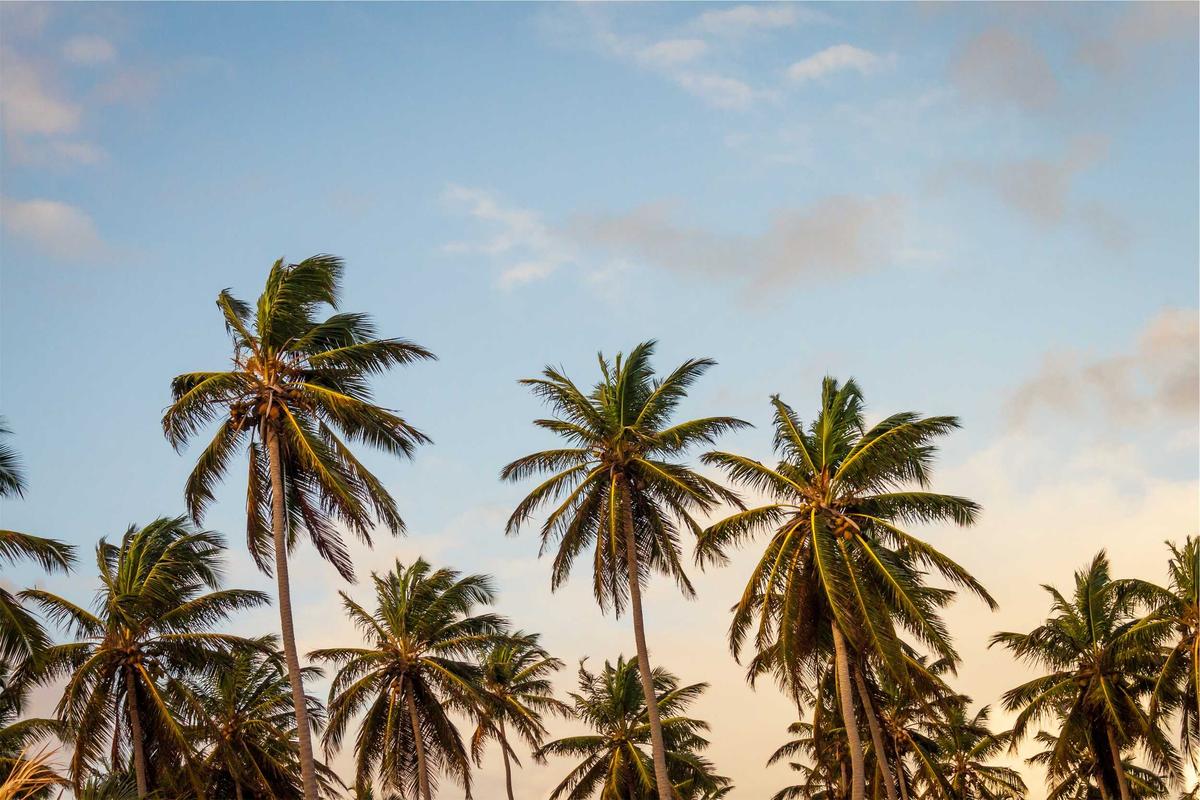
In the age of TikTok virality, a song can become a global phenomenon overnight. But when that song is about a homeland with a complex colonial history, it risks becoming a cultural flashpoint. Such is the case with the recent viral track that has Puerto Ricans divided: some see it as a celebration, others as a shallow caricature. The song, with its catchy beat and references to the island's landmarks, has racked up millions of streams. Yet on the streets of San Juan, opinions are as varied as the island's lush landscapes.
"It's just a song, but it makes me feel seen," says Maria, a 24-year-old barista in Old San Juan. "Finally, the world is talking about us for something other than hurricanes or debt." Others are less enthused. "It feels like a tourist ad," argues Carlos, a 32-year-old historian. "The lyrics mention piña coladas and the beach, but ignore our daily struggles. It's like they're selling a postcard."
This cultural tension reflects a deeper divide. For some, the song represents a chance to reclaim a narrative often dominated by mainland US media. The viral nature of the track, amplified by influencers and celebrities, has brought attention to Puerto Rican culture. But at what cost? Critics argue that the simplification of their island's identity for mass consumption reduces a rich, complex history to a few clichés.
The song's popularity has also sparked conversations about gentrification and cultural appropriation. As tourists flock to the island, inspired by the viral imagery, locals worry about rising rents and the erosion of authentic spaces. "We're not a backdrop for a music video," says Luis, a community organiser in Santurce. "Our culture is a living thing, not a product."
Yet the song has its defenders. "It's a celebration, not a documentary," argues Elena, a 21-year-old student. "We can't control how others see us, but we can take pride in our own identity." This generational split is telling. Younger Puerto Ricans, immersed in global pop culture, often embrace the visibility. Older generations, who remember the island's push for sovereignty, are more wary.
What emerges is a portrait of a people navigating the choppy waters of modern identity. The song, whether loved or loathed, has done what few things can: it has brought Puerto Rico into the global dining table. How the island chooses to respond will shape not just its cultural future, but its sense of self. For now, the viral track plays on, a soundtrack to a conversation that is far from over.