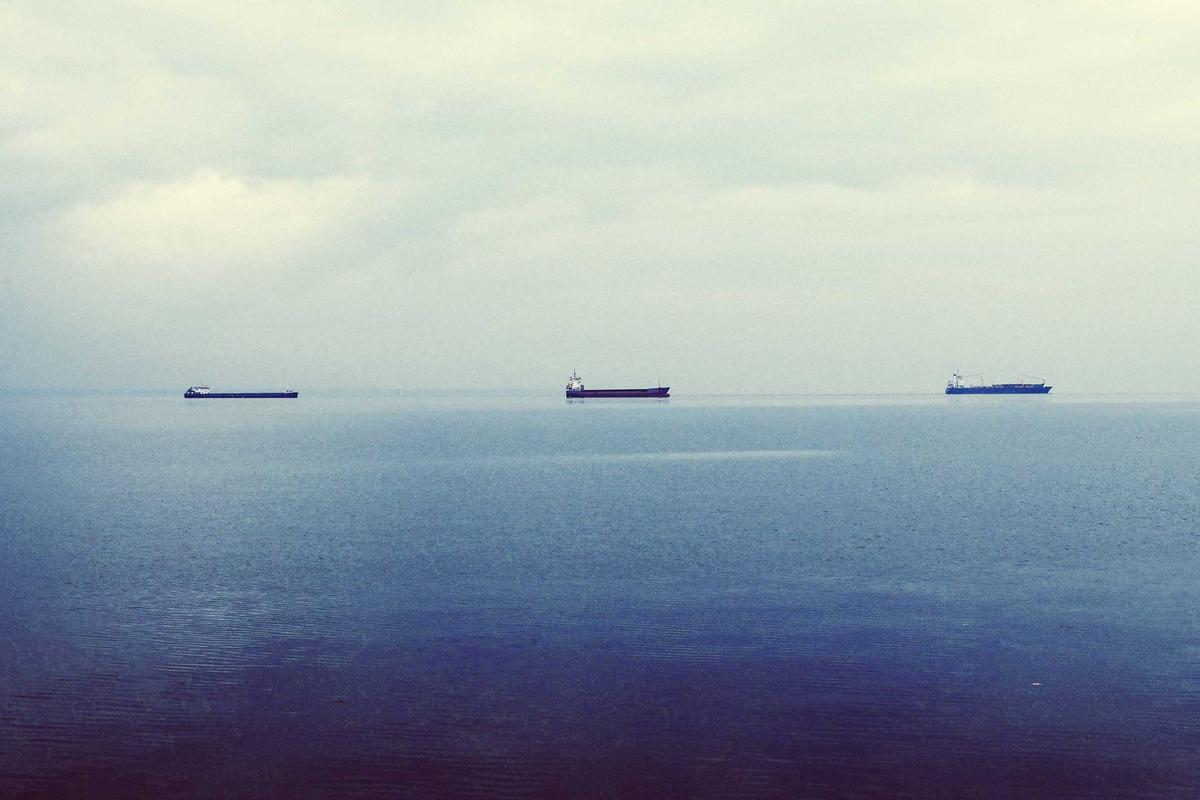
The St Petersburg International Economic Forum kicked off today under the shadow of a Ukrainian drone attack, with Vladimir Putin delivering a defiant speech that made clear he will not compromise on his war goals. As delegates gathered in the city, air defence systems intercepted multiple drones over the Gulf of Finland, underscoring the fragility of even Russia’s showcase events. Putin, speaking to a packed hall of business leaders and officials, insisted that Russia’s “special military operation” in Ukraine would continue until all objectives are met, including the capture of Donbas and the demilitarisation of Kyiv.
He dismissed Western sanctions as a failure and boasted that the Russian economy was proving resilient, pointing to rising energy revenues and increased trade with China and India. For ordinary Russians, however, the picture is far from rosy. Wage growth has been eroded by double-digit inflation, with the cost of basic goods like bread and milk jumping by over 12% in the past year.
The rouble’s depreciation against the dollar means imports – from electronics to medicines – are becoming a luxury few can afford. Meanwhile, the Kremlin’s decision to hike military spending has crowded out investment in social programmes, leaving hospitals and schools underfunded. Regional inequality remains stark: while Moscow and St Petersburg benefit from state contracts and foreign investment, many provincial cities face job losses and crumbling infrastructure.
The drone attack, though repelled, was a stark reminder that the war is far from abstract. For Russian families, the conflict’s cost is measured in lost sons, higher prices and a bleaker economic future. Putin’s rhetoric may have fired up the hall in St Petersburg, but outside, the reality is far more grounded.
As the forum continues, delegates will debate “new opportunities” in a world of sanctions, but for the average Russian, opportunity feels increasingly scarce.