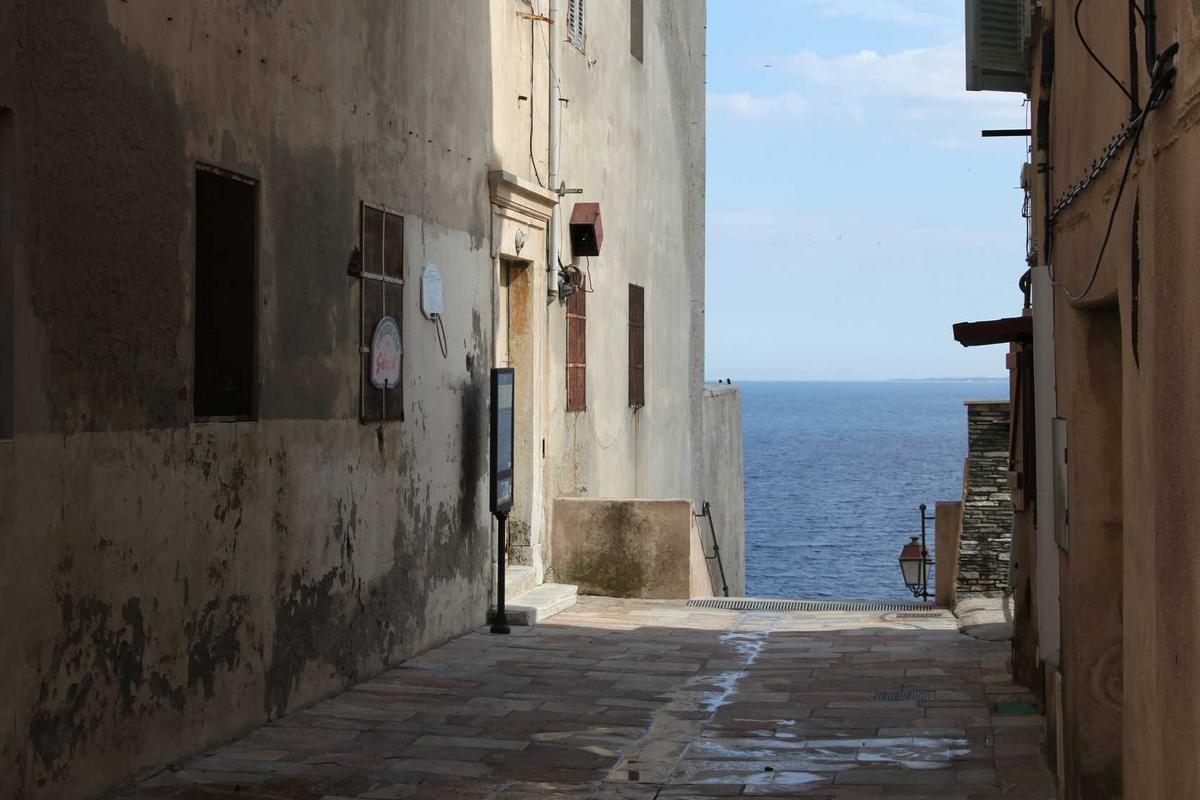
A historic US-Canada library, a symbol of bilateral intellectual exchange, has been redesigned to feature a Quebec-only entrance. This architectural pivot, praised by British heritage models, raises troubling questions about the strategic cohesion of the Five Eyes intelligence alliance. The decision to segregate access based on provincial identity is not merely a logistical footnote; it is a potential vector for exploitation by hostile actors.
From a threat assessment perspective, any fragmentation of cross-border institutions weakens the integrated response to cyber and kinetic threats. The Quebec-only entrance creates a physical divide that could be mirrored in data flows, with Ottawa and Washington potentially losing visibility over the circulation of sensitive materials within this cultural chokepoint.
Furthermore, the praise for British heritage models suggests a subtle alignment with London's architectural traditions, but this overlooks the operational security risks. Historic British estates have been compromised by sophisticated espionage rings; replicating their access restrictions without modern countermeasures is a tactical error.
This is not about heritage. It is about a creeping balkanization of North American security architecture. The library's exclusive entrance signals a strategic pivot away from seamless interoperability, which is precisely what our adversaries exploit.
Military readiness demands that cultural and educational institutions remain open conduits, not fortified nodes. The Quebec-only entrance is a vulnerability waiting to be leveraged. The intelligence community must reassess this decision before it becomes a precedent for deeper divisions.