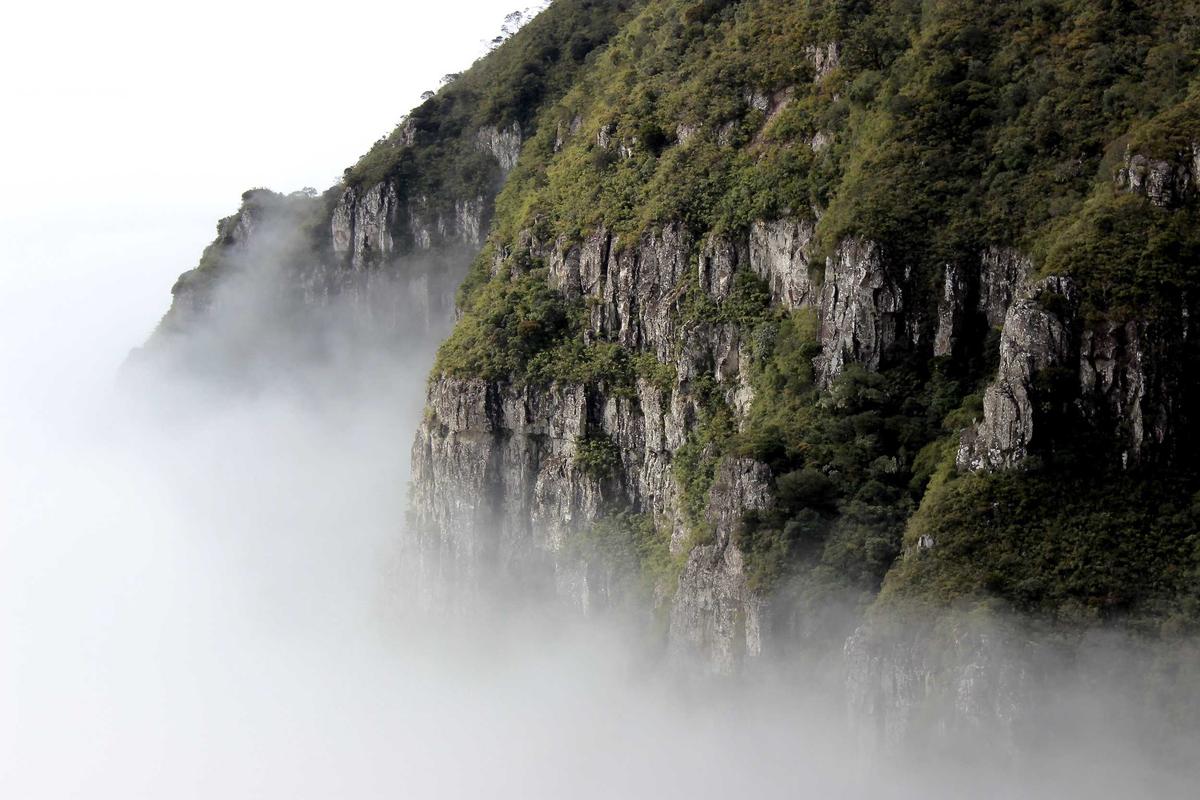
The catastrophic landslide that struck the Venezuelan coastal city of La Guaira on Tuesday has left an estimated 200 people buried under debris, with rescue operations entering a critical 72-hour window. British search and rescue teams, accompanied by specialist sniffer dogs trained to detect human remains, have been deployed in a desperate bid to locate survivors. The deployment, coordinated through the UK Foreign Office's rapid response mechanism, underscores the severity of the disaster and the dwindling time before survival chances diminish.
La Guaira, a city of 150,000 residents, was devastated by a mudslide triggered by torrential rains. The landslide engulfed entire neighbourhoods, sweeping away homes and infrastructure. Officials have confirmed 43 deaths, but the true toll is feared to be much higher. The scene is one of chaos: rescue workers wage war against unstable terrain, disrupted communications, and the constant threat of further collapses.
The British team, part of the UK International Search and Rescue (UKISAR) force, consists of 12 experts and two highly trained canines from the London Fire Brigade's urban search and rescue unit. These dogs, capable of detecting human scent under tonnes of debris, are adept at distinguishing between the living and the dead. Their deployment follows a formal request from the Venezuelan government, which is facing immense domestic pressure over its disaster response capabilities.
Dr. Helena Vance: The physics of such landslides is unforgiving. Debris flows behave as a non-Newtonian fluid, accelerating down slopes with almost no warning. The survival window for those trapped is limited by factors such as access to air, hypothermia, and crush syndrome. The probability of finding survivors after 72 hours drops precipitously, making every minute count.
This disaster is emblematic of a broader pattern: extreme rainfall events are intensifying with climate change. A warmer atmosphere holds more moisture, leading to more intense precipitation when conditions are right. While we cannot attribute a single event to global warming, the statistical fingerprint is clear. Venezuela, like many developing nations, lacks the infrastructure to absorb such shocks. The question is not if, but when, the next disaster strikes.
The British dogs have already been deployed to the hardest-hit areas. Their handlers report promising signs: in one instance, a dog indicated life under a collapsed school. Excavation teams are proceeding with caution, mindful that haste could trigger further collapse. The operation is a race against time, and the odds are stacked against them.
It is a grim calculus. Each hour of search consumes resources that could be saved for the next event. Yet we must try. The psychology of search and rescue is that hope persists even when logic says otherwise. The dogs work not for recognition but for the reward of finding life. Their presence here is a testament to international solidarity, but also a reminder of our collective vulnerability to a changing climate.
For now, the world watches and waits. The next 48 hours will be decisive. If survivors are found, it will be a triumph of human and canine effort against nature's fury. If not, the focus will shift to recovery and the long, painful process of rebuilding a city that, like so many others, sits on the front line of a warming planet.