The mercury is climbing, and not just in the thermometer. As red heat alerts spread across continental Europe, the City is already pricing in the fallout: a sharp spike in food prices that will test the Bank of England’s inflation resolve. This is not a weather report; it’s a capital markets warning.
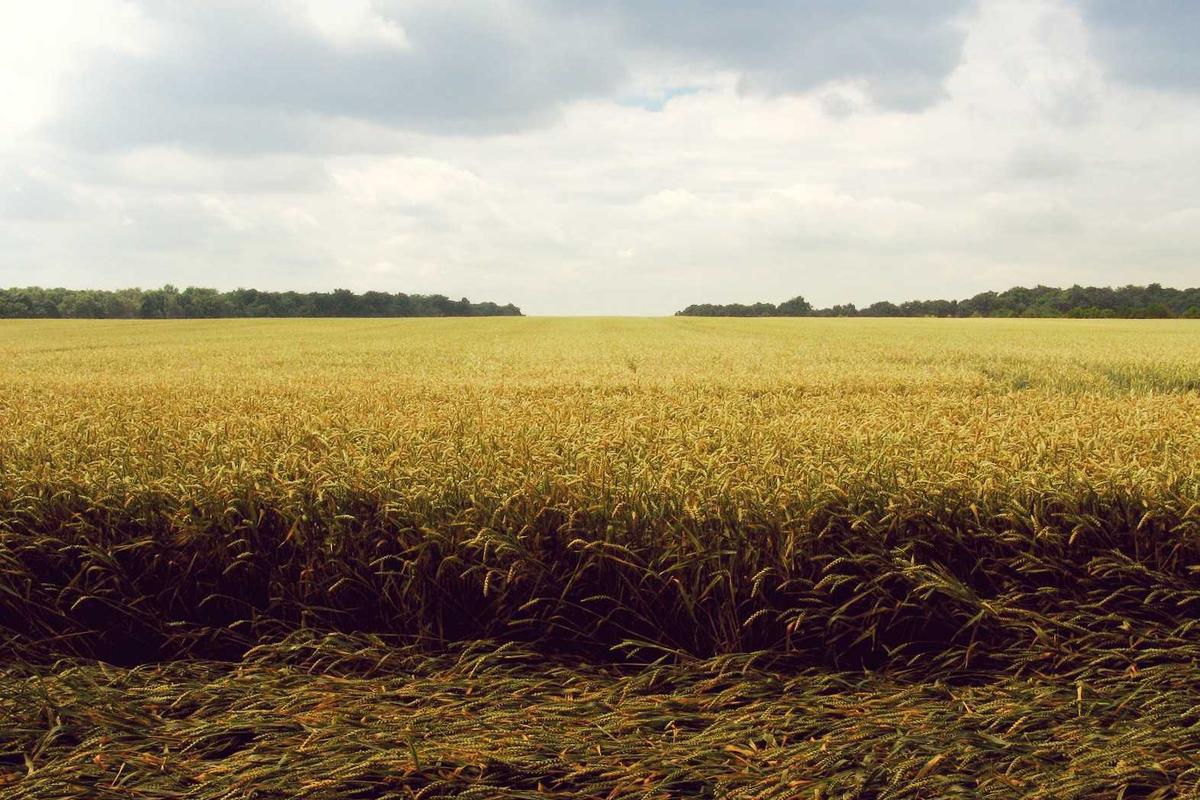
From the Po Valley to the Iberian Peninsula, crops are wilting under record temperatures. The European Commission’s crop monitoring service has slashed yield forecasts for wheat, maize, and olive oil. The Mediterranean basin, a key source of Britain’s imported fresh produce, is facing its worst drought in decades. For UK consumers, this means higher prices at the checkout. For the MPC, it means another headache.
Consider the numbers. UK food inflation, already stubbornly above 4%, will accelerate as supply chains tighten. Wholesale wheat prices on the Euronext exchange have jumped 12% in the past week alone. Olive oil, a staple of British kitchens, has seen its cost soar to record highs. The Bank of England’s preferred measure of food price inflation could break through 6% by autumn, adding to the broader inflationary pressures that have kept gilt yields elevated.
And here’s the rub: this is not a transitory shock. Climate scientists warn that these heatwaves are becoming the new normal. The question for investors is whether the BoE will look through this supply-side shock or tighten policy further to anchor expectations. The market has already priced in a slower pace of rate cuts. Two-year gilt yields have risen 15 basis points this month, reflecting a repricing of monetary policy risks.
Meanwhile, capital is on the move. Investors are rotating out of sterling-denominated assets, fearing that the UK’s reliance on imported food will make it more vulnerable to climate-related inflation. The pound has slipped 2% against the dollar in the last fortnight. Currency markets are sniffing out a weakening terms of trade. A weaker pound, of course, only makes imports more expensive, creating a vicious cycle.
The Treasury’s response has been predictable but inadequate. Subsidies for farmers? More green energy grants? These are sticking plasters on a haemorrhaging wound. The government needs to confront the reality that climate change is a fiscal risk. Higher food prices mean higher welfare costs and lower real incomes, which in turn depress tax revenues. The OBR should update its long-term fiscal projections to account for these weather-driven shocks.
Let us not forget the political dimension. The Conservative Party, already trailing in the polls, will face a voters’ revolt if food prices become unsustainable. The Labour opposition is calling for price controls, a policy that would destroy market signals and lead to shortages. Neither option is palatable for free-market advocates. We are caught between Scylla and Charybdis.
For the prudent investor, the advice is clear: hedge against food inflation. Agriculture commodities, inflation-linked bonds, and possibly even farmland might offer some protection. The era of cheap food is ending. Accept it, price it in, and adjust your portfolio accordingly.
The heatwave will pass, but the economic scars will remain. Britain is learning the hard way that its market efficiency does not insulate it from the whims of nature. The bottom line: climate change is now a core macro risk. Ignore it at your peril.