The Royal Navy has dispatched a task force to the Caribbean in response to the deepening political and humanitarian crisis in Venezuela. The deployment, confirmed by the Ministry of Defence, comes as the Nicolás Maduro regime faces mounting international pressure and internal collapse.
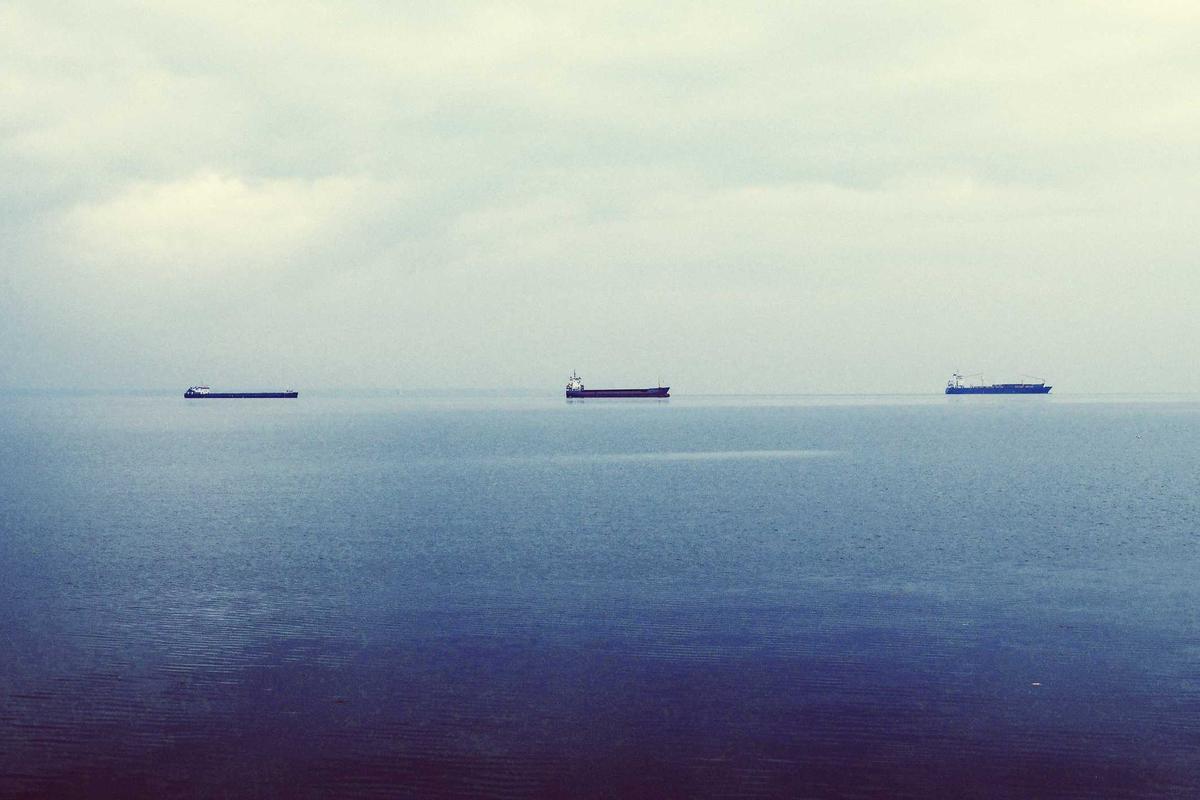
HMS Dauntless, a Type 45 destroyer, and HMS Medway, an offshore patrol vessel, have been redirected to the region. Their primary mission is to protect British overseas territories and provide humanitarian assistance if required. The move signals London’s growing concern over the instability emanating from Caracas.
The Venezuelan crisis has intensified over recent weeks. Hyperinflation, food and medicine shortages, and a crumbling infrastructure have driven millions to flee. The United Nations estimates that over 5 million people have left the country since 2014. The exodus has placed immense strain on neighbouring states and Caribbean nations. Now, the crisis threatens to spill over into a regional emergency.
The Royal Navy’s presence is a precautionary measure. It is not an intervention. The UK government has stated that it will not engage militarily in Venezuela. However, the task force is equipped to evacuate British nationals and provide disaster relief. The ships carry supplies including water purification units and medical equipment.
This deployment is part of a broader international response. The United States has increased sanctions on Venezuelan oil exports. The European Union has called for a peaceful resolution. The Vatican has offered mediation. But so far, dialogue has stalled. Maduro remains in power, backed by the military and Russia. The opposition, led by Juan Guaidó, is fractured and unable to unify.
From a scientific perspective, the crisis is a textbook example of a system in disequilibrium. Imagine a star at the end of its life: nuclear fusion falters, gravitational collapse accelerates, and the star’s outer layers are shed. Venezuela’s economy is that collapsing core. The political system is the surrounding shell, unable to withstand the inward pull. The result is a release of energy: migration, unrest, and the threat of regional contagion.
The Royal Navy’s role is to contain that energy. It provides a stable platform from which to observe and respond. The ships’ sensors and communications gear allow real-time monitoring. The crew are trained for crisis management. They represent a calm presence in a destabilised region.
But can they prevent further escalation? The answer depends on what happens in Caracas. If the regime falls, a power vacuum could lead to chaos. If it holds, the exodus will continue. Either way, the Caribbean will feel the effects. The UK’s overseas territories, including the British Virgin Islands and Montserrat, are vulnerable. They rely on trade and tourism that could be disrupted by regional instability.
The scientific analogy here is a feedback loop. A collapse in Venezuela leads to migration. Migration strains host states. Those states become less stable. That instability feeds back into the region, making recovery harder. Breaking the loop requires external intervention but not the kind that involves bombs or boots. It requires diplomacy, economic aid, and, in this case, a naval presence that reassures without provoking.
The Royal Navy’s deployment is a calibrated response. It sends a message: the UK is watching and ready to act. But it also respects sovereignty. The ships will not enter Venezuelan waters without permission. They will stay in international waters, ready to assist if called upon. This is a fine line between deterrence and escalation.
In the coming weeks, the situation will evolve. The Maduro regime may collapse. It may also crack down harder. The opposition may gain new momentum. Or the crisis may simply grind on, eroding everything in its path. The Royal Navy will remain, a constant in a sea of change.
For now, the focus is on preparation. The task force will conduct training exercises with regional partners. They will also work with aid agencies to map out supply lines. The goal is to be ready for any contingency. Because in a crisis, the one thing you cannot afford is a slow response.
This is the calm before the storm. Or maybe the storm has already arrived. Either way, the Royal Navy is there. And that is a fact that matters.