In a development that has left admirals reaching for the sherry and submarine crews updating their CVs, the British Navy has announced a joint operation with the US and Australia to unleash a fleet of underwater drones. Because nothing says "Rule Britannia" quite like outsourcing your naval defence to a glorified Roomba with torpedoes.
According to the Ministry of Defence, these drones are "cutting-edge" and will patrol the depths with a combination of sonar, stealth, and presumably, a deep-seated resentment for anyone who calls them "submarines for the TikTok generation." The joint task force, ominously named Task Force 4.0, will apparently revolutionise underwater warfare. Or at the very least, provide a cost-effective way to lose expensive equipment in the Mariana Trench.
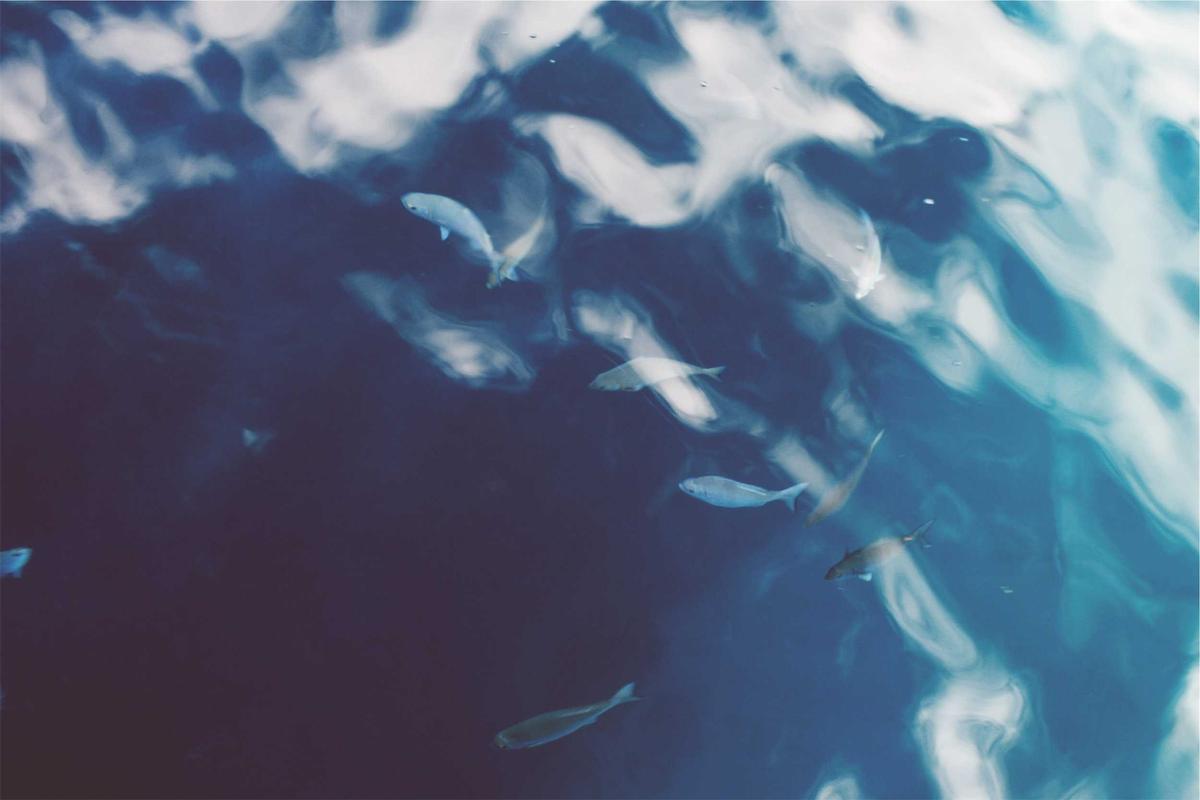
I can already see the recruitment posters: "Join the Navy: Now with 40% less human error!" Gone are the days of lonely sailors writing letters home from a submersible tin can. Now, we can sit in a bunker in Portsmouth and watch live feeds of anxious-looking fish being startled by our drone fleet. It's progress, my friends. The kind of progress that makes you wonder if we've run out of things to put on the news.
The US, ever the overachiever, has already deployed their drones in the South China Sea, presumably to count the number of Chinese fishing boats and report back with passive-aggressive sonar pings. Australia, meanwhile, is probably using theirs to patrol for errant drop bears. And the UK? Well, we're chipping in with a prototype that has a tendency to be distracted by glittering objects on the seabed.
But let's not be cynical. This is a triumph of international cooperation. Three nations, united by a common goal: to spend billions on machines that will eventually be eaten by giant squid. The tech-bros are thrilled, the admirals are confused, and the rest of us are left wondering if we could have spent this money on a national gin distillery instead.
The official line from Downing Street is that these drones will "enhance maritime security" and "deter adversaries." But let's be honest, the only thing they'll deter is any sane person from funding another defence project that involves the word "drone." In ten years, these things will be rusting at the bottom of the Atlantic, and some diver will mistake them for modernist sculpture.
Still, there is a certain poetic justice in the Royal Navy, once master of the waves, now master of the... wiggly thing that swims? I'm told the drones are programmed with "advanced AI" to make decisions on their own. Which is excellent news. Nothing can possibly go wrong with giving autonomous killing machines the keys to the ocean. I, for one, welcome our new robot overlords, especially if they can fetch me a G&T from the galley.
So here's to the new fleet. May your batteries stay charged, your propellers untangled, and your programming free of existential crises. And if any of you are reading this: send photos of the fish. I'm curious.