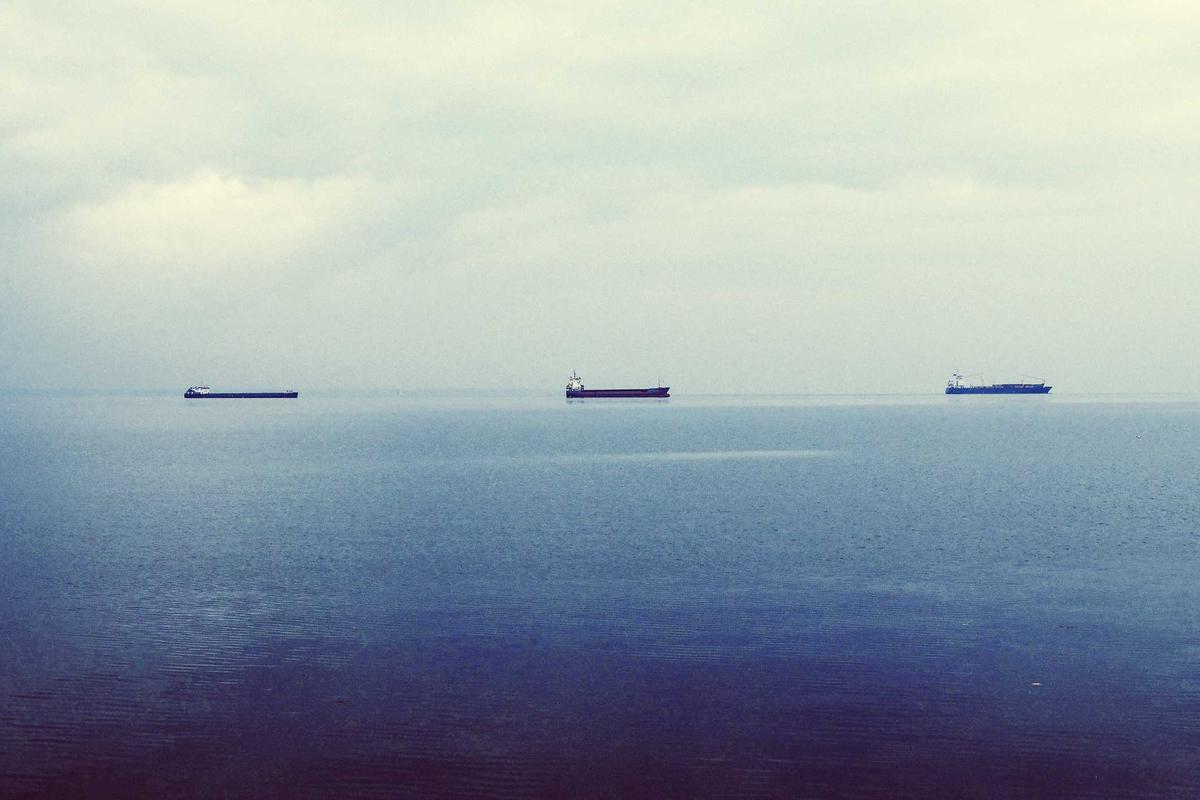
The Royal Navy has been placed on standby after a Russian warship fired warning shots near a British yacht in the English Channel, raising tensions at sea. The incident occurred early this morning when the Russian vessel, reported to be the corvette Grad, opened fire in the direction of the yacht, which was sailing under a British flag. No injuries were reported, and the yacht's crew escaped unharmed, but the confrontation has sparked urgent questions about safety in one of the world's busiest shipping lanes.
The Ministry of Defence confirmed that a Royal Navy patrol ship has been deployed to the area, with Defence Secretary John Healey calling the Russian actions "reckless and dangerous." Healey stated, "We are taking this threat seriously. The Royal Navy is on watch, and we are coordinating with international partners to ensure security in the Channel."
This is not the first time Russian vessels have been accused of aggressive behaviour near UK waters. In recent months, there have been multiple reports of Russian ships shadowing British submarines and conducting what experts call "grey zone" operations. But firing warning shots is a significant escalation, and maritime analysts say it brings the risk of direct confrontation closer to home.
For those of us who watch the cost of living, every pound spent on defence feels like a trade-off with bread on the table. Yet the safety of our fishermen, cargo crews, and leisure sailors is not something anyone should gamble with. The English Channel is a working sea: a route for trade, a source of income for coastal communities, and a place where families take their holidays. This incident reminds us that the geopolitics of distant waters can arrive on our doorstep with little warning.
The Russian embassy in London has not yet commented, but the Kremlin's pattern is clear. They test boundaries, probe weaknesses, and rely on the fact that the cost of rebellion is too high for most nations. But warning shots in the Channel are a different matter. They risk miscalculation, and in these confined waters, miscalculation can mean lives lost.
The government's response will be watched closely. The shadow of austerity still hangs over the armed forces, and the Royal Navy has fewer ships than it did a decade ago. Critics will say we cannot afford to let our guard down. The question is whether the Treasury agrees.
As the sun sets on another day of tension, the yacht is safe, but the people of Britain are left with a familiar unease: the feeling that the safety we take for granted is fragile, and the cost of protecting it is rising.