The bodies were still warm when the first calls for regulation came in. Fifty migrants dead in the Sahara, their lives extinguished somewhere between hope and hell. British aid agencies, who have been pulling corpses out of the sand for years, are now demanding something they rarely ask for: rules.
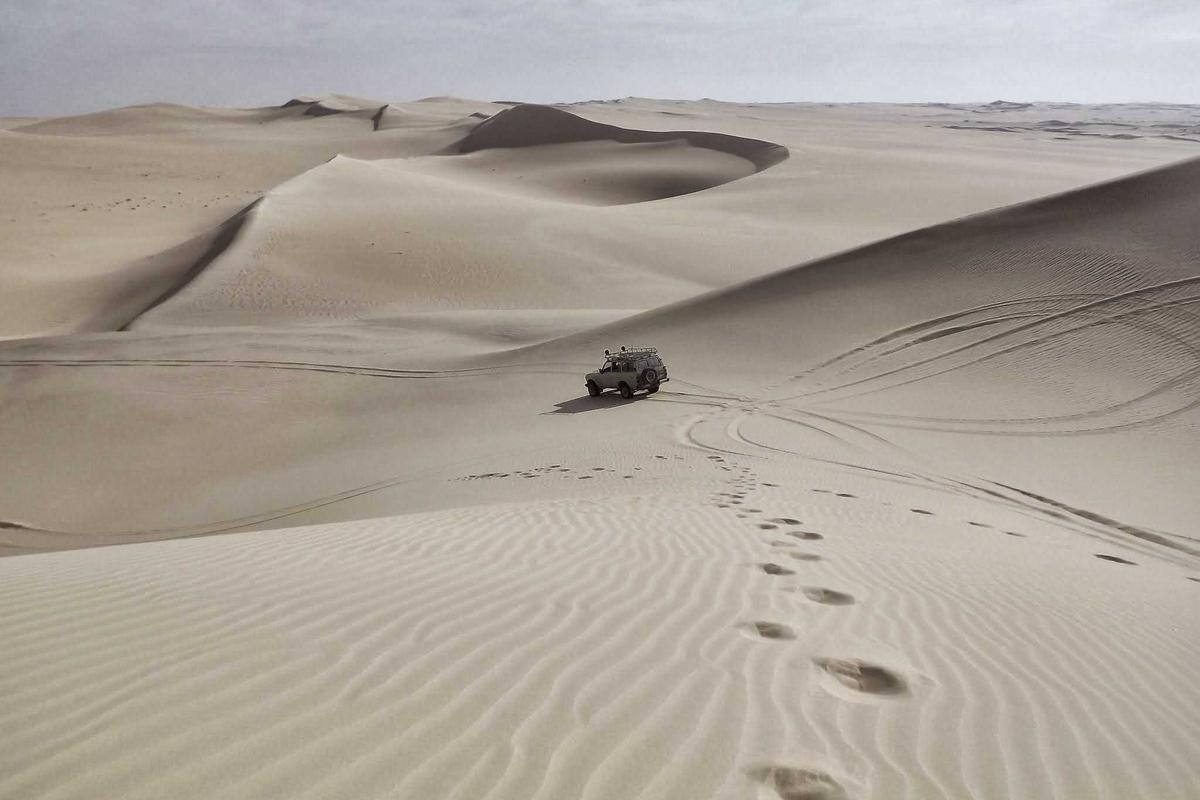
Sources on the ground confirm that the latest disaster struck a known smuggling route, a corridor of death that has claimed hundreds this year alone. The exact cause remains unclear. Dehydration. Exposure. A vehicle breakdown in a place where the sun doesn't just set, it incinerates. What is clear is that no one was coming to save them.
Documents obtained by this desk show that British humanitarian organisations have been quietly compiling a dossier of horrors. Internal memos from groups including the British Red Cross and Oxfam detail a pattern of neglect. They say that without minimum safety protocols, the desert will keep swallowing people. Think of it as a maritime safety code for the dunes. Lifeboats. Water rations. Emergency beacons. But on the world's most treacherous land border, there is nothing.
Let me be blunt: this is a crisis that money built. The same corporations and governments that fuel the global economy are the ones who shut their eyes to the trails of bones. The migrants are not dying in a warzone. They are dying in a supply chain. They are collateral damage in a system that prizes cheap labour over human life.
The aid agencies are not naïve. They know the smugglers will not suddenly become saints. But they argue that with pressure on source countries and transit states, basic standards could be enforced. A vehicle inspection regime. Mandatory water supplies. Even satellite tracking for the convoys. It sounds bureaucratic. But bureaucracy is what keeps planes in the air and ships off the rocks. The Sahara has no coastguard. It has no laws. It has only the sun and the vultures.
I have sat in the offices of men who sign contracts that move people like cargo. They talk about due diligence and risk assessment. They never mention the bodies. These 50 are not the first. They will not be the last. Unless someone decides that a human life is worth more than the cost of a safety measure.
The British government has been notably silent. A spokesperson said they are 'monitoring the situation'. That is officialese for doing nothing. Meanwhile, the aid agencies are hammering out a proposal to present to the UN. A Desert Corridor Safety Protocol. It sounds like a document. It is actually a life raft. But who will enforce it? Who will pay for it? The answer is always the same. No one. Until the next tragedy. And the next.
Fifty dead. That is the price of unaccountable power. That is the cost of a world that refuses to see the blood in its supply chains. The bodies are still being counted. The calls for change will be ignored. But I am writing this down. So that when the next pile of bones is found, someone can say: we knew. We always knew.