Fifty migrants have perished in the Sahara Desert, the latest grim toll on one of the world's deadliest migration corridors. The UK government has called for urgent EU action to improve safety along the route, a plea that underscores the escalating humanitarian crisis at Europe's southern border. As a climate scientist, I must stress that this tragedy is not merely a policy failure but a symptom of a deeper planetary imbalance: the Sahara is expanding, and the conditions that make these crossings lethal are being exacerbated by climate change.
Data from the International Organization for Migration (IOM) show that over 3,000 people died or went missing on Mediterranean and desert routes in 2022 alone. The Sahara crossing, a perilous journey of extreme heat, dehydration, and violence, accounts for a significant fraction. Temperatures in the region regularly exceed 50°C, and with climate models projecting a 2-4°C rise in North Africa by 2050, the window for safe passage will shrink further. This is not speculation; it is physical reality. The heat index, a measure of how hot it feels when humidity is factored in, is already pushing the limits of human survivability for prolonged exposure.
The UK's urgency is understandable. The British government, under pressure from domestic migration concerns, is pushing the EU to invest in search-and-rescue operations, provide water stations, and disrupt human smuggling networks. But these are stopgap measures. The structural driver is the growing mismatch between resource availability and population density in the Sahel. Desertification, driven by rising temperatures and erratic rainfall, is destroying livelihoods. According to the UN, 80% of the region's population depends on agriculture, but crop yields could drop by 20% by 2050. People are not migrating for leisure; they are fleeing dying landscapes.
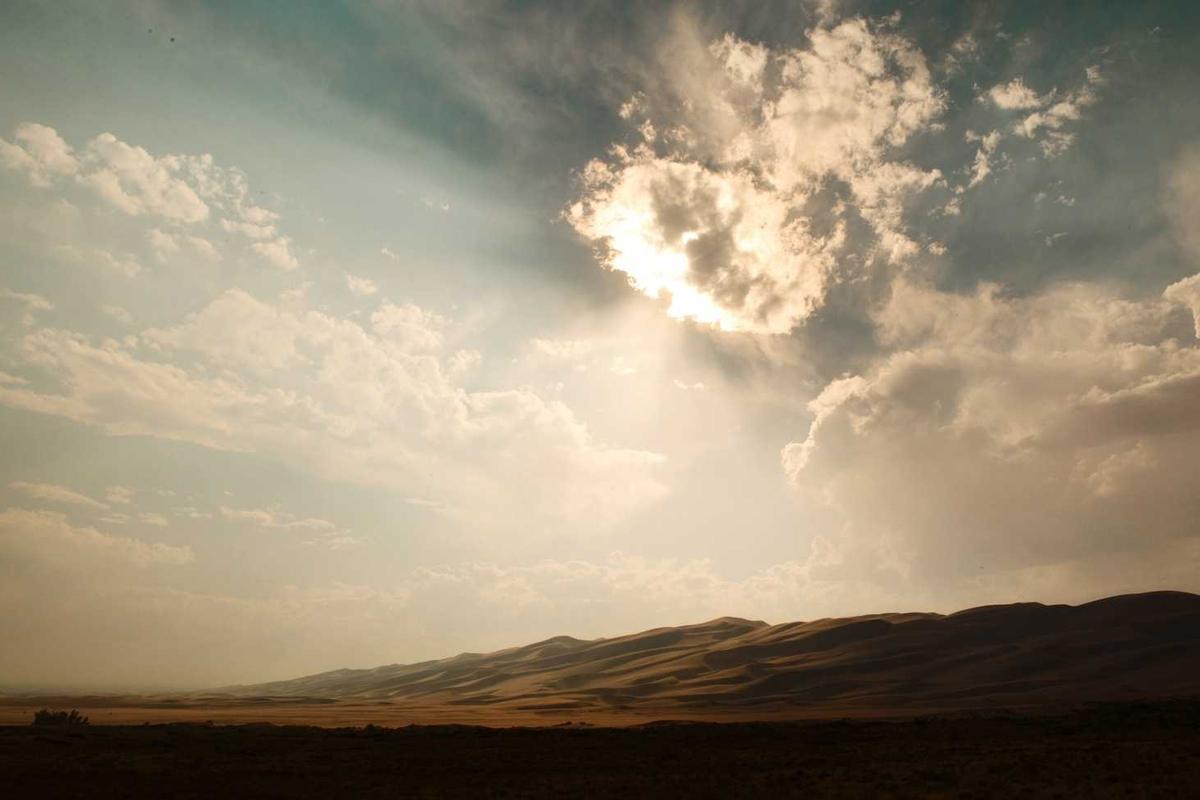
The tone of this report carries urgency, but not panic. We must acknowledge the physical realities: the Sahara is not a static desert. It is spreading south at an average of 48 kilometres per year, a process accelerated by anthropogenic warming. This is not a political opinion; it is a measurement from satellite data. The expanding desert acts as a barrier, funnelling migration routes through ever narrower and more dangerous corridors. The deaths are a direct consequence of this geophysical forcing.
Technological solutions exist. Solar-powered desalination could provide water. Early warning systems for heatwaves could alert migrants. But these require political will and funding. The UK's call for EU action is a step, but it must be backed by measurable commitments. The true cost of inaction will be counted in more bodies in the sand, as the climate crisis deepens the drivers of migration. The planet is warming, and the sands are shifting. Our responses must match the scale of this transformation.