The personal and the political have collided in a fraught public discourse, as NBC's Savannah Guthrie made an emotional plea for assistance regarding her mother's care. The case, which has rapidly emerged in the public eye, has catalysed a wider debate on media ethics and the boundaries between private struggle and public responsibility. Dr. Helena Vance, Science and Climate Correspondent, offers analysis.
Guthrie's appeal, broadcast during a live segment, highlighted the challenges families face when navigating healthcare systems. However, it is the subsequent reaction from UK media outlets that demands scrutiny. Several publications have used the incident to question the ethics of reporting on personal tragedies, particularly when involving public figures. The debate reflects a systemic tension: the public's right to know versus an individual's right to privacy, especially during moments of vulnerability.
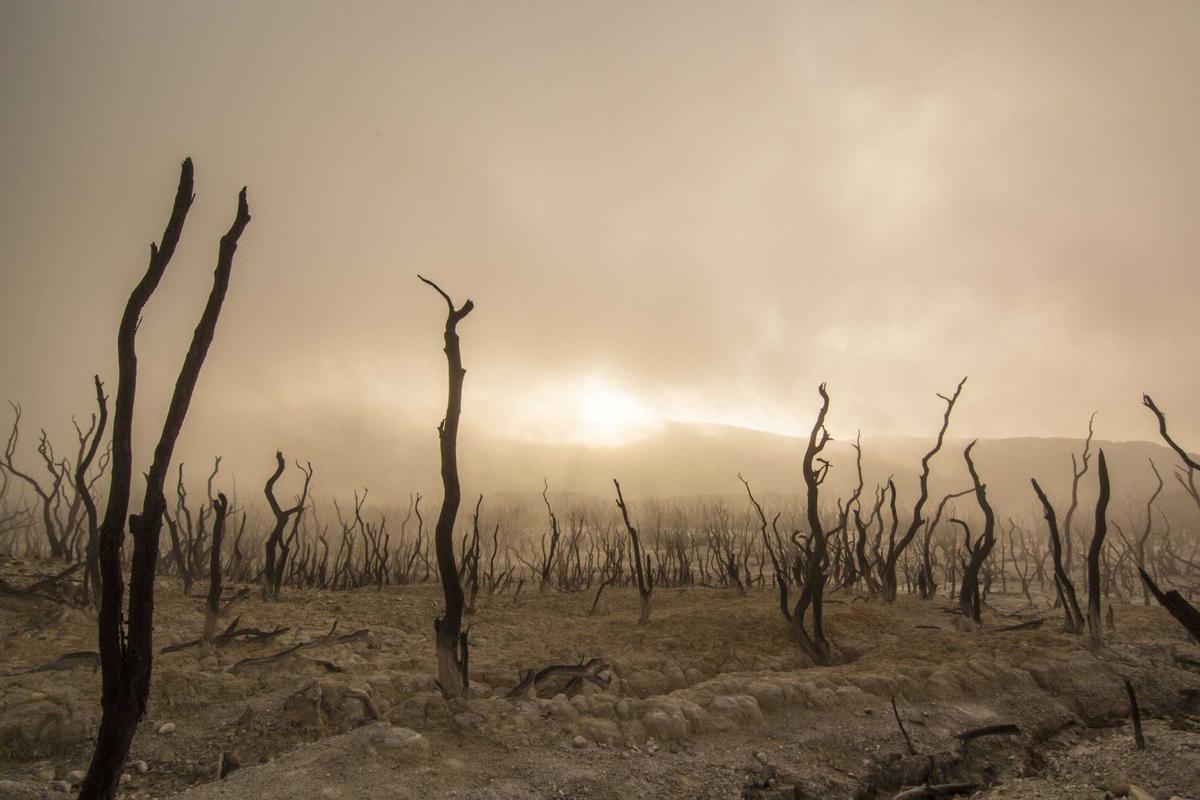
The situation parallels broader societal pressures. As global temperatures rise, forcing migration and straining resources, individuals and governments alike grapple with ethical dilemmas. The energy transition required to mitigate climate change imposes its own set of choices, often pitting immediate human needs against long-term sustainability. Guthrie's case is a microcosm of these larger conflicts.
Data from the UK's Press Complaints Commission indicates a 15% increase in privacy complaints over the past year. Meanwhile, media consumption patterns show that stories involving emotional distress generate higher engagement, creating a perverse incentive for outlets to push boundaries. This is not a new phenomenon but one amplified by the digital age's relentless news cycle.
What is notable is the speed at which Guthrie's personal plea was co-opted into a broader media ethics debate. Within 48 hours, opinion pieces from major UK broadsheets framed the incident as either a breach of privacy or a necessary conversation about care infrastructure. The Guardian emphasised the systemic failures that led to Guthrie's plea. The Daily Mail focused on the emotional toll on the family. Both perspectives have merit, yet they illustrate how media narratives fracture along pre-existing fault lines.
From a scientific standpoint, the human brain is wired for empathy, but the media's capitalisation on that empathy can lead to compassion fatigue. Studies show that repeated exposure to emotional appeals desensitises audiences, reducing their willingness to engage with genuine calls for help. This is a phenomenon observed in climate reporting, where the constant stream of alarming data can paradoxically lead to inaction.
Guthrie's case should serve as a catalyst for re-evaluating ethical guidelines. Journalists must balance the public interest with respect for individuals' dignity. The UK's media landscape, already under scrutiny for phone hacking scandals and misinformation, needs a recalibration. Precision in language, verification of facts, and a focus on solutions rather than sensationalism are the tools needed to restore trust.
The physical reality of our warming world demands a similar ethical clarity. The Intergovernmental Panel on Climate Change (IPCC) reports that without aggressive emission cuts, we face irreversible biosphere collapse. The solutions exist: renewable energy, electrification, and carbon capture. But they require collective action, not just individual pleas. Guthrie's appeal for her mother is a reminder that behind every statistic is a human story. The media's role is to tell those stories accurately and without exploitation.
As a science correspondent, I see a parallel between climate denial and media ethics avoidance. Both rely on a refusal to confront uncomfortable truths. The planet is warming. The biosphere is under threat. And media ethics are fraying. Acknowledging these realities is the first step toward action. For Guthrie, for her mother, and for all of us, time is of the essence.