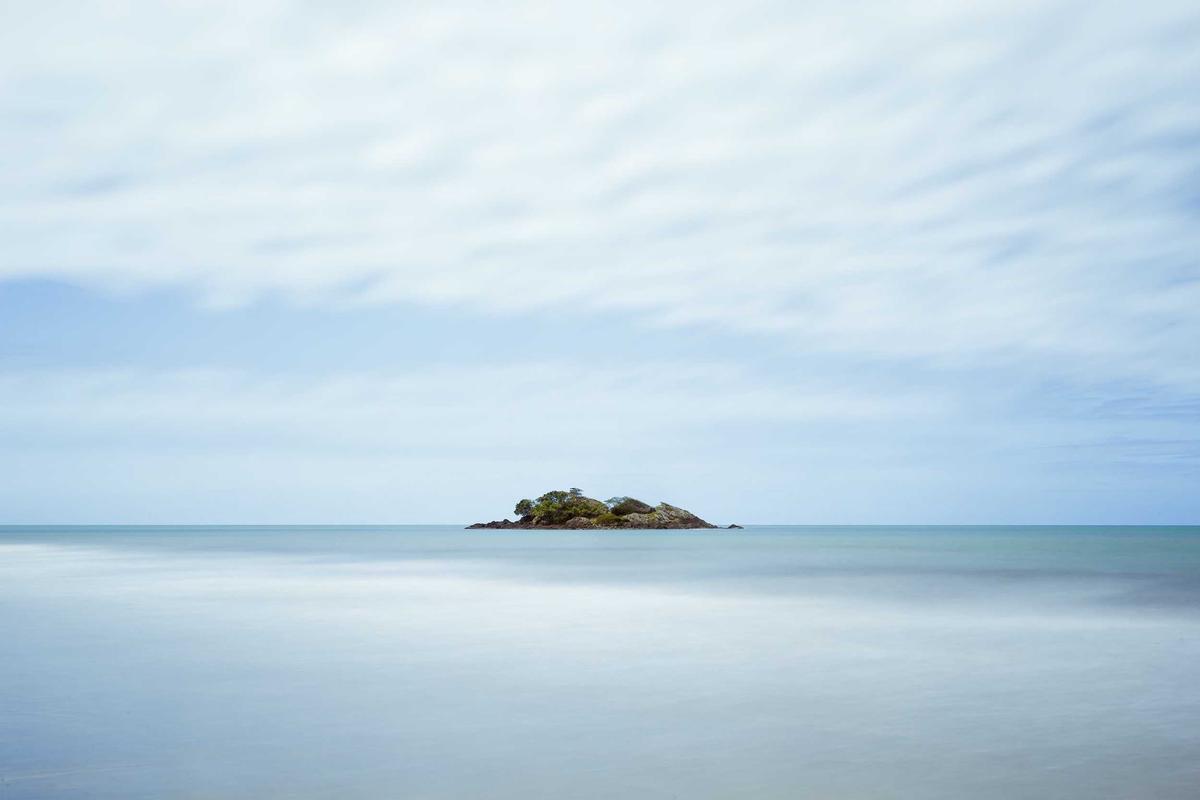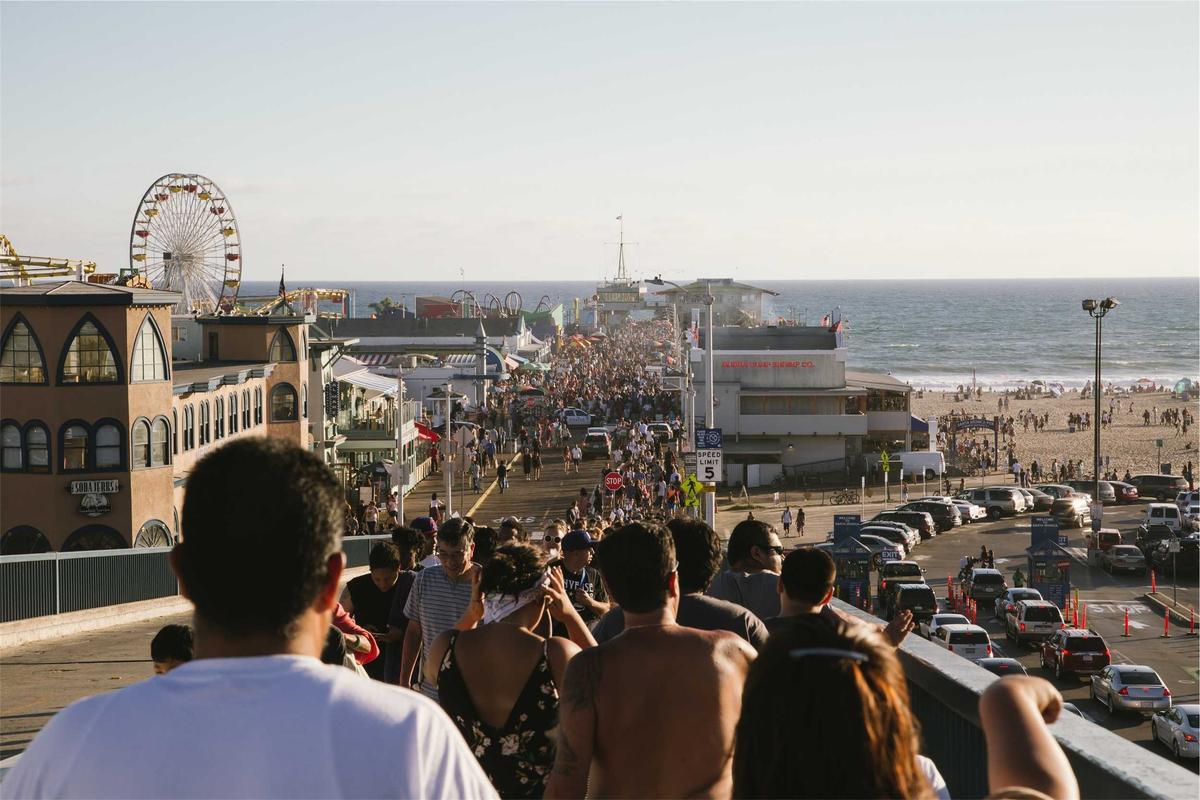
This week, a woman was seriously injured in a shark attack at a Sydney beach, prompting warnings to British tourists to stay vigilant. The incident, while tragic, should not provoke hysteria. It is a reminder that nature, like history, does not care for our illusions of safety.
The Victorian era, for all its propriety, understood this well: the seas were treacherous, and the wild was not a theme park. Today's reaction, however, is typical of a decadent age. We treat every mishap as an unprecedented crisis, a failure of the state or of modernity itself.
Social media erupts in calls for culls, for netting, for something to restore order. But the shark was not malevolent; it was acting on instinct in its own domain. The beachgoer was simply in the wrong place at the wrong time.
Perhaps the real crisis is not the shark, but our collective inability to accept risk, to understand that life has always been precarious. British tourists are warned to stay vigilant, as if vigilance were a novel concept. We are not victims of a predatory ocean; we are participants in a world that does not revolve around our safety.
The Fall of Rome was not due to barbarians at the gate, but to a loss of resilience, a refusal to face reality. Today, we see the same: a demand for protection from every possible harm, a desire to sterilise life of its dangers. But danger is the price of freedom, of living.
This shark attack is a tragedy, but it is not a sign of societal collapse. It is a sign that nature persists despite our efforts to tame it. Let us not respond with fear and further control, but with a quiet acceptance of life's inherent risks.
That is the mark of a mature civilisation, not one that shrieks at every splash.