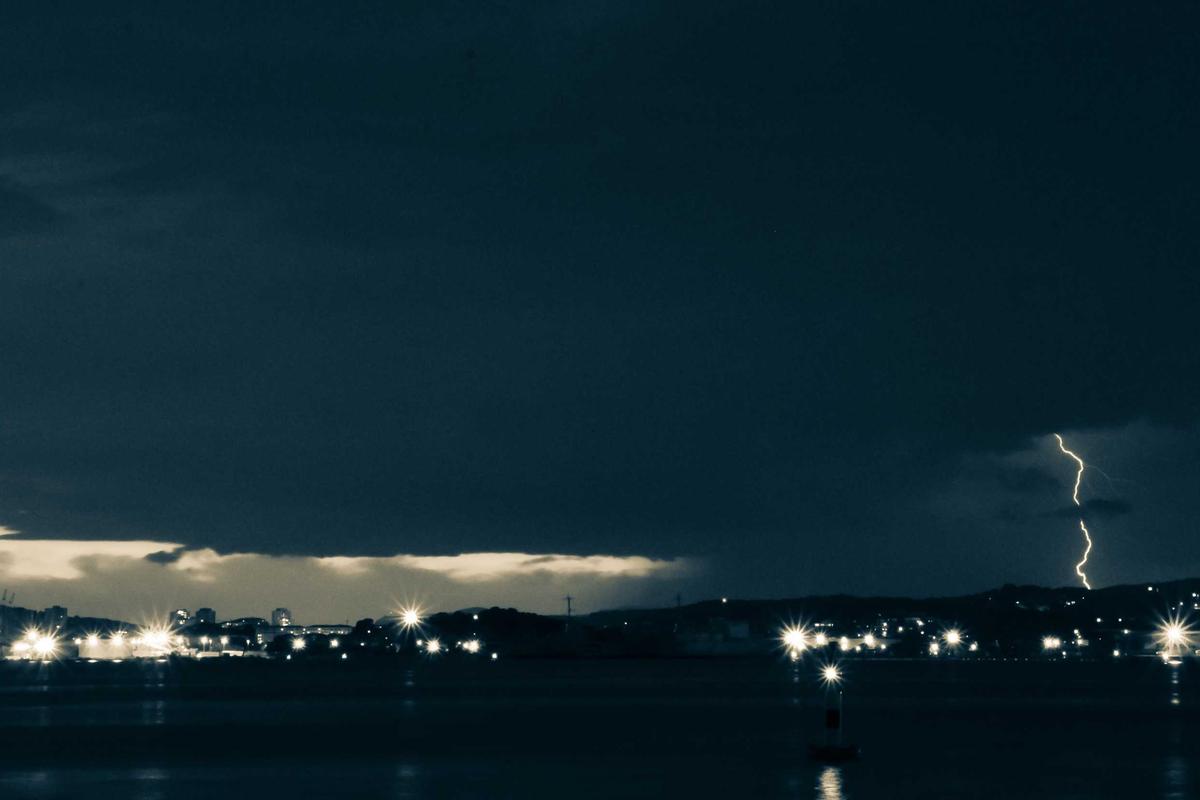
In a moment that felt ripped from a sci-fi novel but grounded in engineering precision, Seattle’s night sky became a living, breathing scoreboard last night. A swarm of 1,500 drones, choreographed by a custom AI platform, hovered in formation to display real-time match statistics, player photos, and even animated goal replays during the FIFA friendly between the US Men’s National Team and Brazil at Lumen Field. The result: a 25-minute, 400-foot-wide floating display that made the stadium’s jumbotron look like a vintage Game Boy.
This was not mere advertising. This was a glimpse into a future where the public sphere is coated in digital layers, and where the sky itself can be monetised, politicised, or turned into a playground. The technology, developed by UVify and partnered with FIFA’s innovation lab, used a mesh network of LED-equipped quadcopters that communicated via 5G with millisecond latency.
Each drone acted as a pixel, precisely positioned by a central algorithm that adjusted for wind, battery levels, and even the light pollution from downtown Seattle. For the 70,000 fans below, the effect was mesmerising, turning the match into a multi-sensory experience that blurred the line between physical and digital attendance. Yet as a tech ethicist who has seen too many “disruptions” turn into dystopias, I felt a knot of unease.
The spectacle was undeniably beautiful, but it also raised uncomfortable questions about digital sovereignty. Who owns the airspace above our cities? Already, the FAA is scrambling to update regulations as drone swarms become more common for light shows, but the commercial potential is staggering.
Imagine a future where every tall building becomes a potential advertising platform, where your view of the sky is rented out to the highest bidder. The environmental impact is not negligible either: each drone runs on a lithium-ion battery, and the carbon footprint of a single 25-minute show is equivalent to dozens of transatlantic flights. Moreover, the psychological effect on spectators is concerning.
The glow of the drones replaced the stars, creating a hyperreal experience that detached fans from the organic rhythm of the game. We are moving towards a world where we cannot tell if the sky is natural or manufactured. Still, there is a positive side.
The technology could be used for emergency alerts, disaster relief mapping, or even democratic participation, like projecting voting results in real time across a city. The key is how we choose to deploy it. Just as social media started as a tool for connection and became a weapon of manipulation, drone swarms could go from playful to oppressive in a few policy missteps.
For now, Seattle has a story to tell. The drones flew off to their charging stations, and the sky returned to its natural canopy. But the memory of that floating, animated scoreboard will stick with me.
It was a reminder that the future is no longer coming, it is already hovering above us, waiting for us to decide what to do with it.