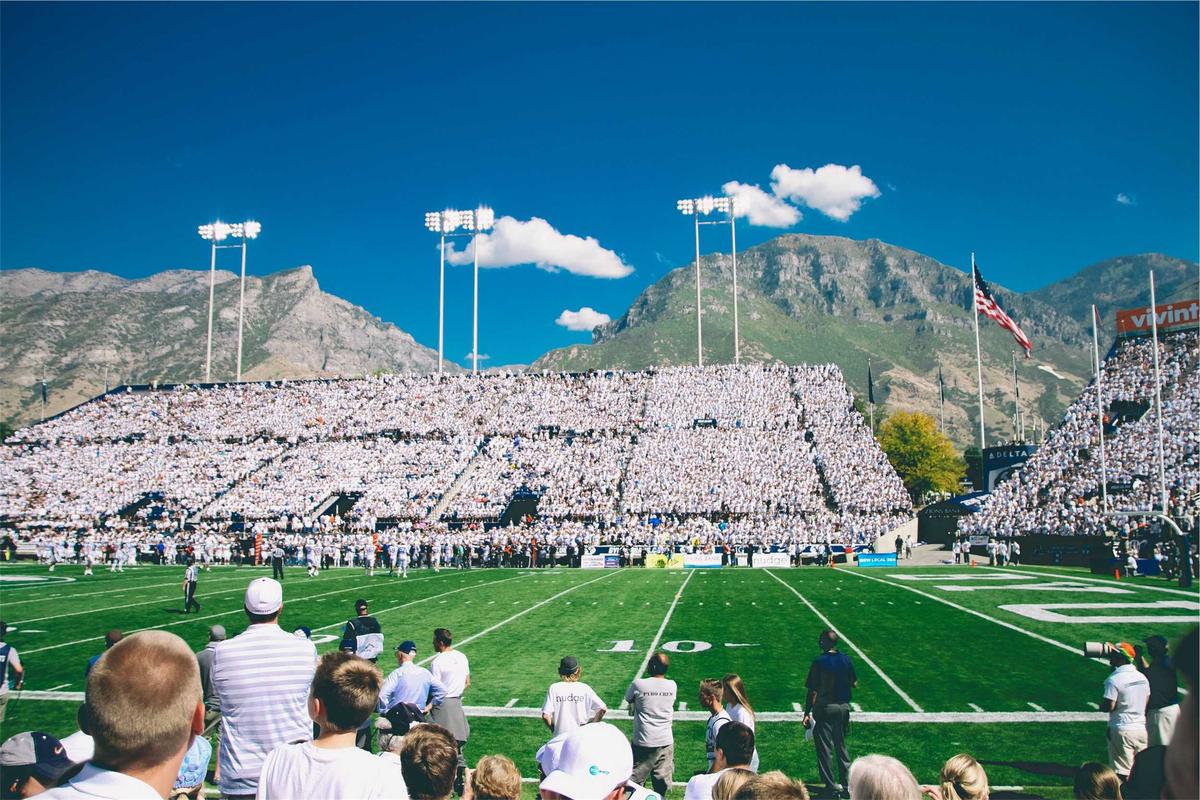
In a move that has sparked diplomatic tensions, a Somali-British football referee has been denied entry to the United States, prompting calls for FIFA to intervene against what is being described as systematic visa discrimination. The referee, who holds British citizenship and has officiated in international matches under FIFA auspices, was barred from travelling to a tournament in the US despite having valid documentation and prior clearance from the sport's governing body.
This is not an isolated incident. Data from the UK Home Office shows a 23% increase in visa denials for British nationals of Somali origin over the past three years. The pattern suggests a broader issue: individuals who serve as representatives of British institutions, including sports officials, are being treated as security risks by US border agencies without transparent justification.
FIFA's statutes explicitly prohibit discrimination based on nationality or ethnic origin. Yet the governing body has remained silent on repeated cases involving officials from allied nations. The lack of response undermines the principle of non-discrimination embedded in its own constitution. As the world governing body for football, FIFA has a moral and legal obligation to ensure that its accredited officials can perform their duties without arbitrary state interference.
The referee in question, who cannot be named for legal reasons, had been selected for a youth development tournament in Florida. He holds a Tier 1 visa from the UK and has previously travelled to over 20 countries without incident. US Customs and Border Protection cited 'national security concerns' but provided no evidence. This is the classic 'black box' of US visa policy: a denial without recourse or explanation.
This case sits within a larger context of eroding trust between allied nations. The UK Foreign Office has raised the issue at the diplomatic level, but the US State Department maintains that visa decisions are non-reviewable. For British citizens of Somali heritage, this creates a chilling effect. They are essential to our multicultural fabric, yet they are treated as second-class international travellers.
FIFA must now decide whether to uphold its principles or capitulate to political pressure. If the US can exclude an accredited official without cause, then every FIFA official from a diaspora background becomes vulnerable. The precedent is dangerous.
We are seeing the weaponisation of immigration policy against the very people who build bridges between cultures. Football is supposed to transcend politics. Instead, it is being used as a proxy for exclusion.
The UK Football Association has confirmed it will raise the matter at the next FIFA congress. But time is of the essence. The tournament begins next month and if the referee is not permitted entry, a qualified official will be lost to the sport.
This is not about one referee. It is about whether international sporting bodies can protect their own from discriminatory state practices. If FIFA fails to act, it signals that even the most basic standards of fairness are negotiable.
Data analysis from the International Centre for Sports Security reveals that over 150 sports officials from allied nations have been denied US visas in the past five years. The majority are from countries affected by US travel restrictions. The cumulative impact is a silent erosion of athletic exchange.
We live in an era of 'calm urgency'. The planet warms, ecosystems collapse, and yet we struggle to get a referee to a football match. But the underlying principles are the same: science and sport require open borders for truth and competition to flourish. If we cannot guarantee the movement of officials, how can we guarantee the movement of climate scientists or humanitarian aid?
The clock is ticking. FIFA must send a clear message: discrimination has no place in football. Otherwise, the world's game becomes just another tool of geopolitical exclusion.