The final whistle had barely sounded when the taunts began. South Africa’s early exit from the World Cup has sparked a torrent of abuse from rival African fans, with chants and social media posts mocking the team’s performance. But for UK pundits, the real story is the so-called ‘unruly’ behaviour that marred the tournament’s atmosphere.
Standing in a Manchester pub, a group of South African expats stared in disbelief at the television. They had hoped for a different outcome. Instead, they watched their team fall to a crushing defeat. Outside, fans from other African nations danced and jeered. One man, draped in a Nigerian flag, shouted: “Where is your cup now?”
This is not just banter. For the South Africans, it stings. They feel isolated, targeted. But UK commentators, perched in their studios, have a different take. “The passion is admirable,” said former England player Gary Lineker on BBC Sport. “But it tips over into something more sinister. The vitriol aimed at the losing side is not what football should be about.”
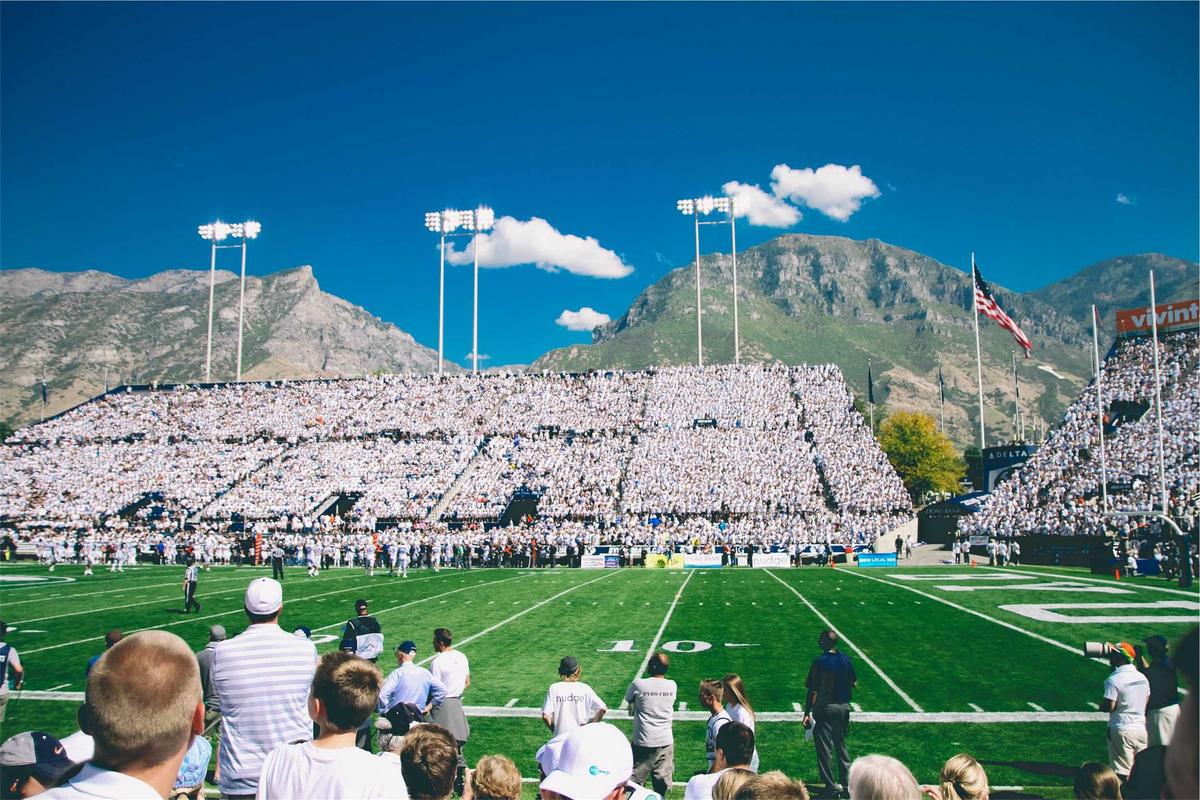
Critics point to incidents in the stands: a scuffle between rival supporters, a beer cup thrown at a player, and a chant that crossed the line into racism. “It’s a cultural problem,” argued Daily Mail columnist Piers Morgan. “African fans need to learn respect. This isn’t a war. It’s a game.”
But is that fair? In Johannesburg, fans are angry about the punditry, not the taunts. “They call us unruly, but what about the hooliganism in Europe?” said Thando Mbeki, a construction worker from Soweto. “When English fans riot, it’s ‘passion’. When we celebrate, it’s ‘unruly’. Double standards.”
The economic divide is sharp. While UK pundits earn millions, the average South African fan struggles with soaring food prices and unemployment at 32%. For them, football is a rare escape. “We work hard,” said Mbeki. “We pay for flights, for tickets. We have a right to feel joy. And yes, to feel pain when we lose.”
Union leaders in South Africa have weighed in. “This is about dignity,” said Zwelinzima Vavi of the South African Federation of Trade Unions. “Our people are called unruly because we do not have the same resources. But our passion is real. It comes from a place of hope, not malice.”
The tournament continues. But for many, the real match is played out far from the pitch: a battle between those who control the narrative and those who live it. And as the chants fade, one question remains: who truly owns football’s soul?