In a development that has sent shockwaves through the corridors of power and the sticky-carpeted pubs of Great Britain, Spain has reported a 12% surge in tourism, a direct consequence of the Middle East’s travel industry imploding faster than a cheap inflatable lilo. Meanwhile, UK hospitality bosses are chewing their own ties, fearing their beloved bangers and mash can no longer compete with tapas and sangria. The irony, it seems, is as thick as a slice of cold, greasy toast.
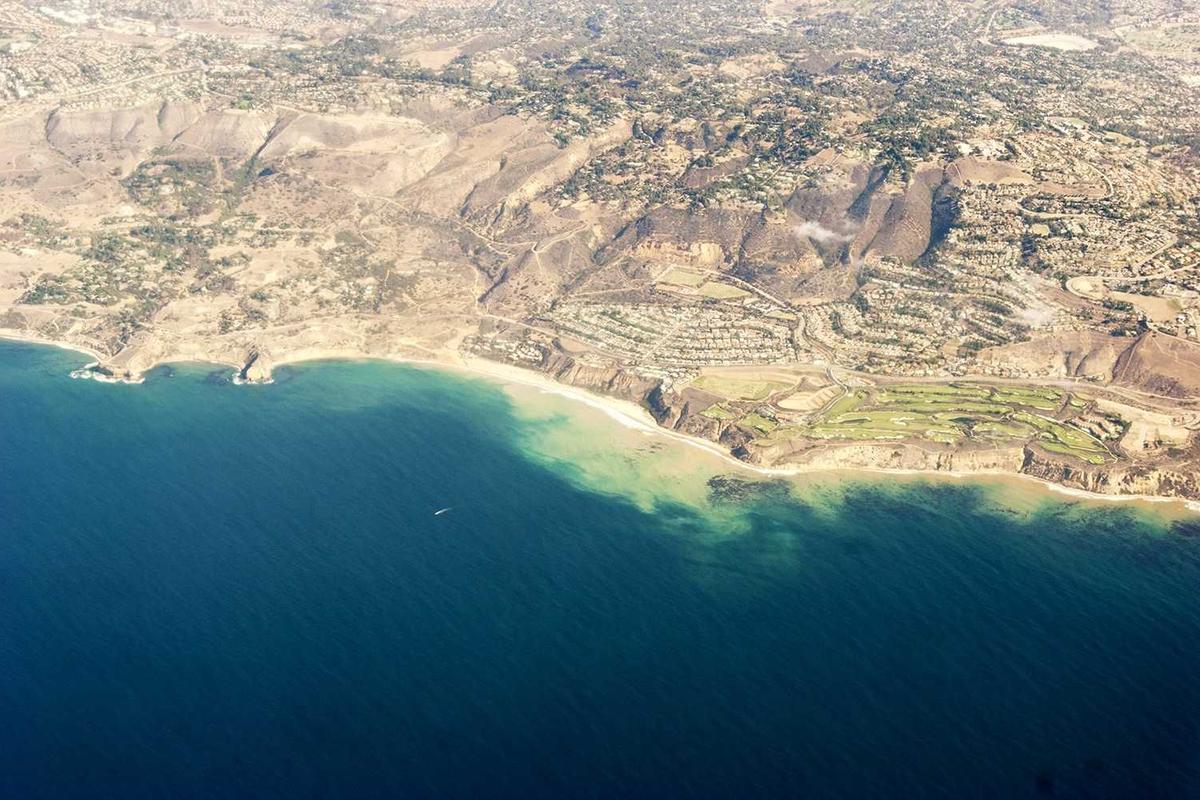
Let us dissect this fiasco with the precision of a butter knife. The Levant, once a hotspot for smug bankers and sunburned influencers, has become a no-go zone. Flights cancelled, hotels empty, and for once, it’s not because of a downturn in the camel-leather handbag market. No, this is geopolitical chaos dressed up as a travel advisory. And where do the terrified tourists flee? To the land of paella, flamenco, and aggressive sangria salesmen on the Costa del Sol. Spain, the eternal antidote to British rain, is now soaking up the overflow like a sponge in a storm.
But what of our sceptered isle? Our beloved UK hospitality sector, already staggering under the weight of Brexit, VAT hikes, and the mysterious disappearance of usable train services, now faces a new spectre: competitive pressure. Yes, the horror of having to actually compete with a country that has sunshine, affordable wine, and waiters who do not sigh when you order a pint of warm, flat ale. According to a recent survey (conducted by a man in a pub, but published in a respectable trade magazine), UK hoteliers are reporting a 7% drop in advance bookings. They claim it’s because of ‘increased global competition’ and ‘the weather’. Not, of course, because their rooms cost the same as a small mortgage and come with a complimentary view of a bin lorry.
I have seen the future, and it is a damp Wetherspoons in Margate, serving lukewarm chips to a clientele that has given up on dreams of Mediterranean bliss. Meanwhile, Spanish resorts are adding extra loungers to accommodate the influx of Middle East escapees, many of whom have brought with them a fondness for gold jewellery and a complete disregard for the concept of ‘quiet hours’. The British tourist, once the king of the holiday resort, is now relegated to the cheap seats, forced to watch as wealthier, better-tanned visitors sip cocktails that cost more than a fortnight’s rent in Hull.
The government, of course, is ‘monitoring the situation’. Minister for Tourism, a man whose name I have forgotten because he only appears on camera when there is a photo opportunity involving a scone, has promised a ‘review of hospitality competitiveness’. This review will likely be written on the back of a napkin, photocopied, and filed under ‘Things We Might Think About If We Could Be Bothered’. In the meantime, a coalition of hoteliers, pub landlords, and seaside pier owners has formed a desperate alliance. Their proposed solution? A crackdown on ‘aggressive Spanish pricing’ and a campaign to remind tourists that the UK has ‘real, authentic culture’ such as queuing, complaining, and eating fish that was frozen in 2019.
But let us not be too harsh. Britain has always had a peculiar relationship with tourism. We sell ourselves on our history, our damp green hills, and our ability to produce a decent gin and tonic. Yet, when faced with a chalet in Benidorm offering all-inclusive sun for £200, we fold like a cheap deckchair. The Middle East collapse is simply the latest chapter in a long-running saga of British self-delusion. We want to believe our hospitality is world-class, yet our airports are car parks with runways and our hotels charge extra for breathing.
So, as the Spanish toast their luck and the British fret over their occupancy rates, I raise a glass of lukewarm tap water. Let them have their sun. Let them have their olive oil and their endless summer. For we have something more valuable: the steady, uncomplaining drizzle of a British bank holiday Monday, and the knowledge that our crisps come in flavours that actually taste of salt and vinegar. Competitiveness, after all, is just a word. And for now, the only thing surging in the UK is the price of a packet of crisps.
Biff Thistlethwaite, filing from a bucket-and-spade bucket in Skegness.