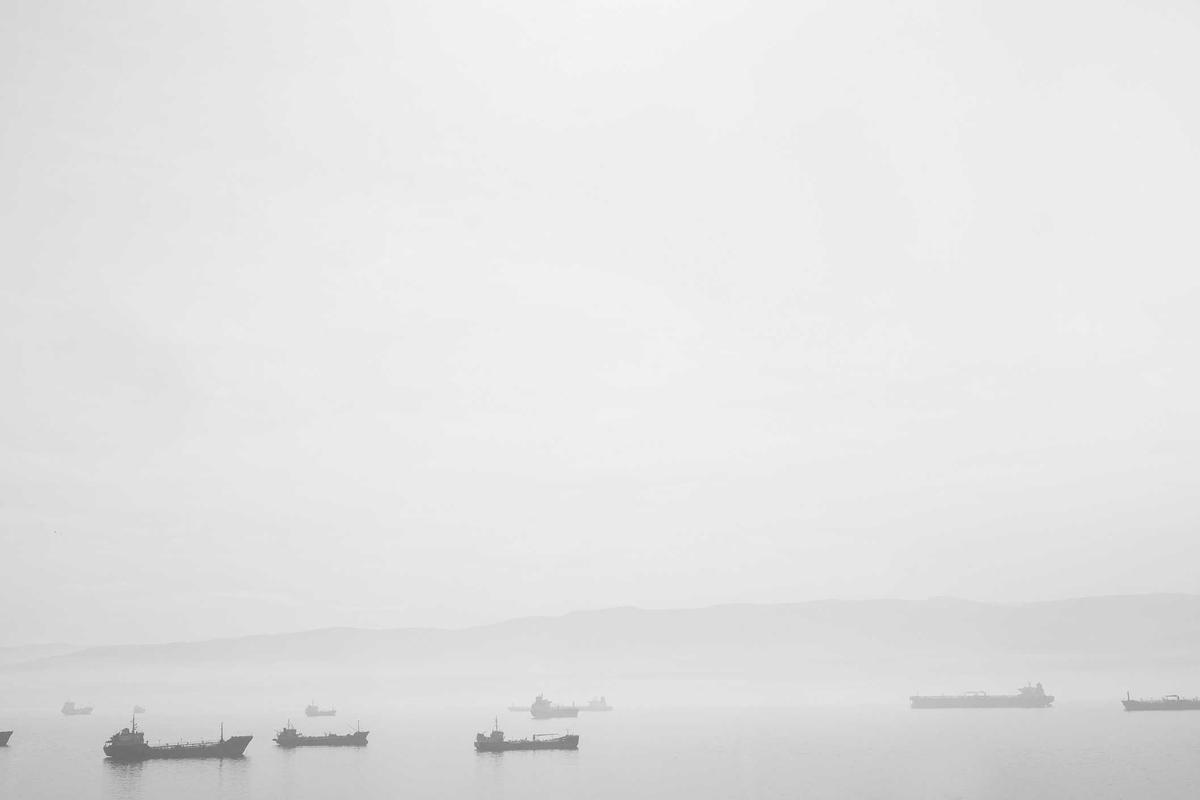
In a development that has sent Whitehall mandarins scrambling for their emergency decanters, the Strait of Hormuz has reportedly cracked open like a tin of pilchards, contingent upon a ceasefire deal with Iran. Yes, the very same stretch of water that has been the scene of more naval anxiety than a Dunkirk re-enactment in a bathtub is now, whisper it, potentially navigable again. The UK Maritime Trade Operations, those stoic keepers of the shipping lanes, have lowered their red alert status to something approaching amber, which in Whitehall parlance translates roughly to ‘we might not need to mobilise the reserve gin rations just yet.’
The Iranians, those masters of geopolitical theatre, have dangled this reopening like a morsel before a starving poodle. A ceasefire, they say, a cessation of the hostilities that have seen tankers playing dodgem cars with speedboats and the Royal Navy’s finest polishing their binoculars with increasing desperation. One imagines the negotiations: a smoky room in Tehran, a Qajar-era rug, and a mullah peering over spectacles at a sweating British envoy. ‘You want oil, yes? We want sanctions lifted. Also, that last batch of Marmite was stale.’
The implications for British maritime security are as profound as they are absurd. For months, the Admiralty has been on a hair trigger, with Type 45 destroyers prowling the Gulf like anxious bouncers at a particularly fractious wedding. The re-routing of oil tankers around the Cape of Good Hope added a quixotic note to global shipping, a reminder that even in the age of satellite navigation, a bunch of men in robes can still throw a spanner in the works of global capitalism. And now? Now we might be able to sail through without the risk of being boarded by Revolutionary Guards demanding a selfie and a ransom.
But let us not get ahead of ourselves. A ceasefire is a fragile thing, more brittle than a Digestive biscuit in a monsoon. The ink is barely dry, and already there are murmurs of ‘interpretations’ and ‘violations’. The Iranians have a knack for pulling the rug out just as you’ve settled with a sherry. The UK’s response has been characteristically measured: a hasty briefing to the shipping industry, a cautious statement from the Foreign Office about ‘welcoming any de-escalation’, and a palpable sense of relief that the naval budget might not need to be doubled just yet.
In the meantime, the tanker captains of the world can start plotting a course back through the Strait, but not without a whispered prayer to their preferred deity and a double-check on their insurance premiums. The Royal Navy will remain, as ever, on watch, their eyes peeled for any sign of a skiff with nefarious intentions. And the rest of us? We will continue to watch the price at the pump with the same anxious fascination as a snake watching a mongoose.
So raise a glass, if you will, to the slim possibility of peace. But keep one hand on your wallet. This is the Straits of Hormuz, after all. The theatre of the absurd never takes a holiday.