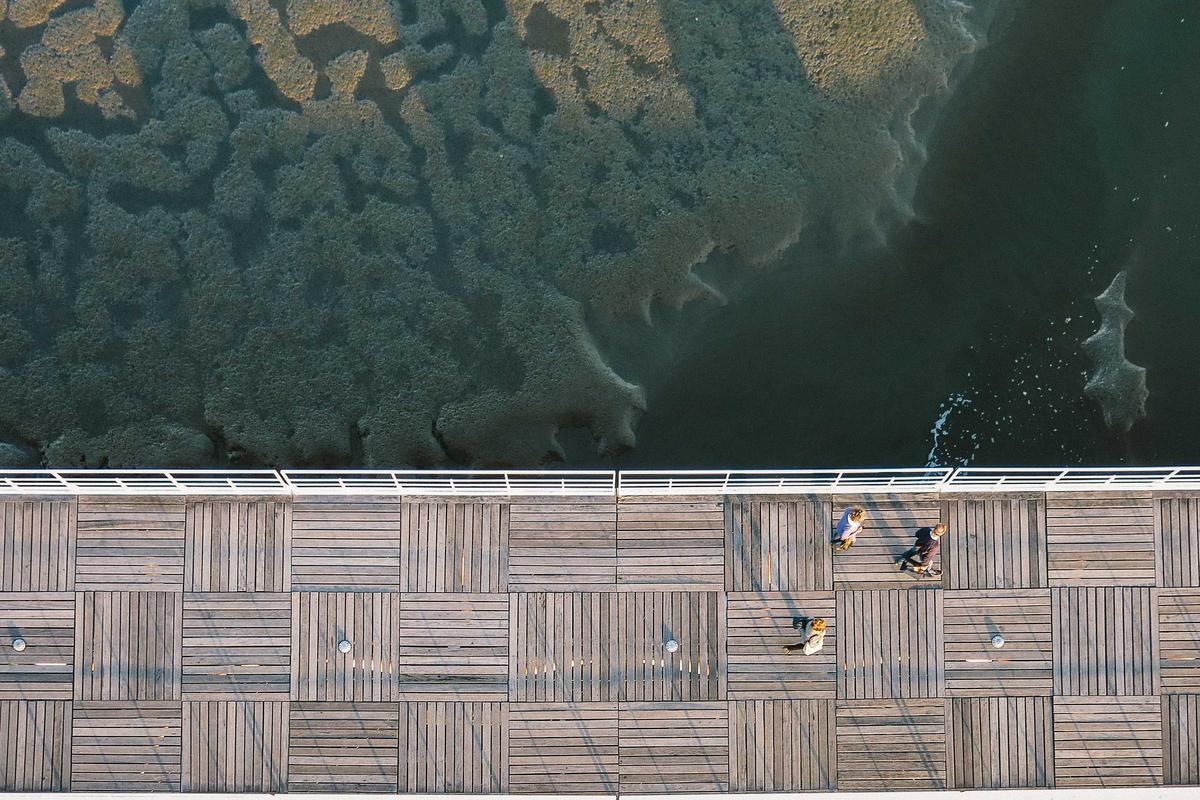
A curious fracture has appeared in the cultural and strategic alliance between the United States and the United Kingdom. American observers have mocked a recent Washington D.C. initiative to paint the Reflecting Pool black, a cosmetic alteration that has drawn derision as performative and nonsensical. Simultaneously, London’s ambitious Thames restoration project has come under the microscope, with defence analysts questioning the allocation of resources when national security threats are escalating. This is not mere tabloid banter. It is a symptom of a deeper misalignment in strategic priorities between two nuclear powers.
Let us dissect the threat vectors. The Reflecting Pool paint job is an own goal in soft power. It signals to adversaries that the United States is treating national monuments as Instagram backdrops rather than symbols of resilience. When a nation’s capital engages in what appears to be symbolic pandering, it communicates weakness. Meanwhile, the Thames restoration, while environmentally laudable, raises hard questions about military readiness. Britain’s armed forces are at their smallest since the Napoleonic era. The Royal Navy’s surface fleet is stretched thin. Every pound spent on riverbank beautification is a pound not spent on Type 26 frigates or cyber defence for critical national infrastructure.
This divergence in aesthetic governance reveals a strategic pivot that hostile actors will exploit. Russia and China are watching. They see a West distracted by cultural disputes while they modernise their own militaries and refine their doctrine of hybrid warfare. The United States and United Kingdom must realign their messaging and resource allocation. The Reflecting Pool and the Thames are not just water features. They are theatres of perception. If Washington wants to project strength, it should invest in cyber resilience and missile defence, not paint jobs. If London wants to secure its future, it should prioritise the Navy’s readiness over river walks.
The intelligence failure here is the failure to connect domestic choices to international posture. Our adversaries do not distinguish between a mocked monument and a reduced carrier strike group. They see the whole picture. The next strategic communique from the White House or Downing Street should address this directly. Otherwise, we risk a further erosion of deterrence. The paint job is a tactical error. The Thames restoration is a strategic drift. Together, they represent a vulnerability that must be corrected with urgency.