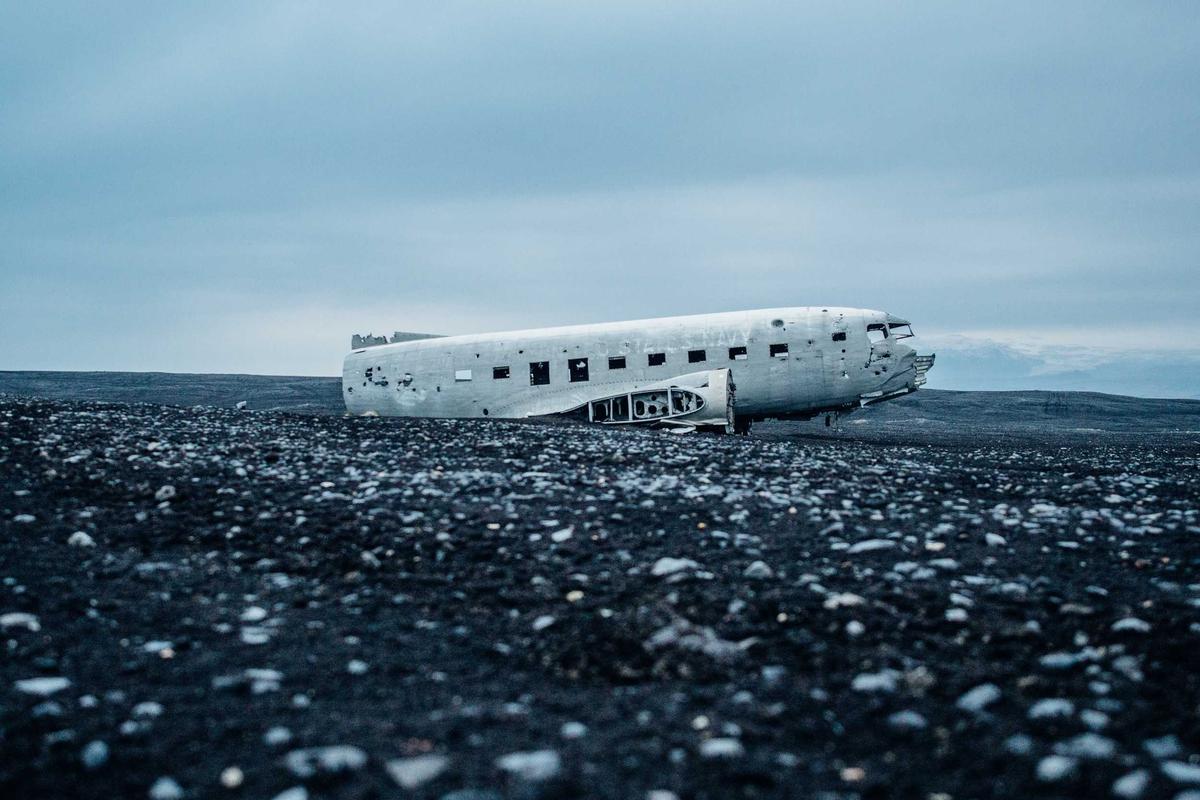
The explosion of a Space Launch System core stage at the Stennis Space Center is not merely a technical setback. It is a strategic disaster. For weeks, UK defence analysts have watched with growing alarm as Nasa’s Artemis programme, the foundation of America’s lunar ambitions, has been plagued by delays, cost overruns, and now this catastrophic failure. The loss of the core stage, the largest and most powerful rocket component since the Saturn V, represents a failure of engineering, management, and procurement. More critically, it signals to every hostile state actor watching that the United States, and by extension its allies, cannot execute major strategic projects. The calculus of power does not tolerate such weakness.
From a threat vector perspective, the damage is multidimensional. First, the Artemis time line is now in tatters. The planned 2025 lunar landing, already considered optimistic by intelligence circles, is effectively dead. This hands the strategic initiative to competitors with lunar ambitions of their own. China’s Chang’e programme, operating with military precision and state-driven funding, will now have an unopposed window to establish a permanent presence on the Moon. The strategic value of the lunar south pole, with its water ice and potential for resource extraction, is well understood. Control of that domain confers an asymmetric advantage in space-based intelligence, surveillance, and communications. Every day the SLS remains grounded is a day the PLA’s space forces expand their orbital and cislunar footprint.
Second, the explosion exposes a deeper rot in the defence-industrial base. The SLS programme has been a monument to political pork-barrelling, with component parts scattered across dozens of states and congressional districts. Efficiency and reliability have been sacrificed for political expediency. This is a lesson the UK must heed with its own sovereign space capabilities. The Ministry of Defence’s SkyNet and the UK Space Command’s launch plans rely on a fragile ecosystem of commercial providers and international partnerships. If a programme as well-funded as SLS can suffer a catastrophic core-stage detonation due to a welding flaw or a faulty valve, what does that say about our own resilience? The vulnerability window is widening.
Intelligence failures compound the loss. Reports indicate that an anomaly was detected during the ‘green run’ test sequence but was deemed a non-critical flutter. This is a classic pattern of normalisation of deviance, a cognitive bias that has preceded every major space disaster from Challenger to the recent Soyuz abort. The US must now conduct a root cause analysis that could take months, perhaps longer if the debris field is contaminated by hydrazine or other hazardous propellants. In the meantime, the industrial base for key components, such as the RS-25 engines and the solid rocket boosters, has atrophied. Restarting a production line that was shuttered years ago could take a decade. The strategic pivot is clear: the US must either accelerate reliance on commercial heavy lift, with all the security risks that entails, or admit that the Moon is a bridge too far for the current procurement model.
For the UK, the implications are stark. Our own lunar ambitions, articulated through the UK Space Agency’s participation in Artemis, are now hostage to American industrial competence. We should not put all our eggs in the SLS basket. The National Security Space Office should immediately commission a review of alternative launch architectures, including British-built launchers or partnerships with reliable providers such as Japan or India. The cost of inaction is a permanent second-tier status in the space domain.
The explosion of the SLS core stage is a wake-up call. It is a moment of strategic weakness that will be exploited. The chessboard has been reset, and a hostile piece has advanced. Our move must be decisive, clear-eyed, and devoid of the bureaucratic complacency that led us to this point. The Moon is not a luxury. It is a strategic asset. And we are losing it.