The Scottish Meteorological Office has confirmed that yesterday’s mercury reached 34.6°C in parts of the Highlands, breaking a record that has stood since the days when Gladstone was still shuffling about the political stage. The headlines, predictably, are a chorus of ecstasy. Yet amid the hosannas to global warming, a subtler truth emerges: British infrastructure, contrary to every doom-laden prediction, held firm.
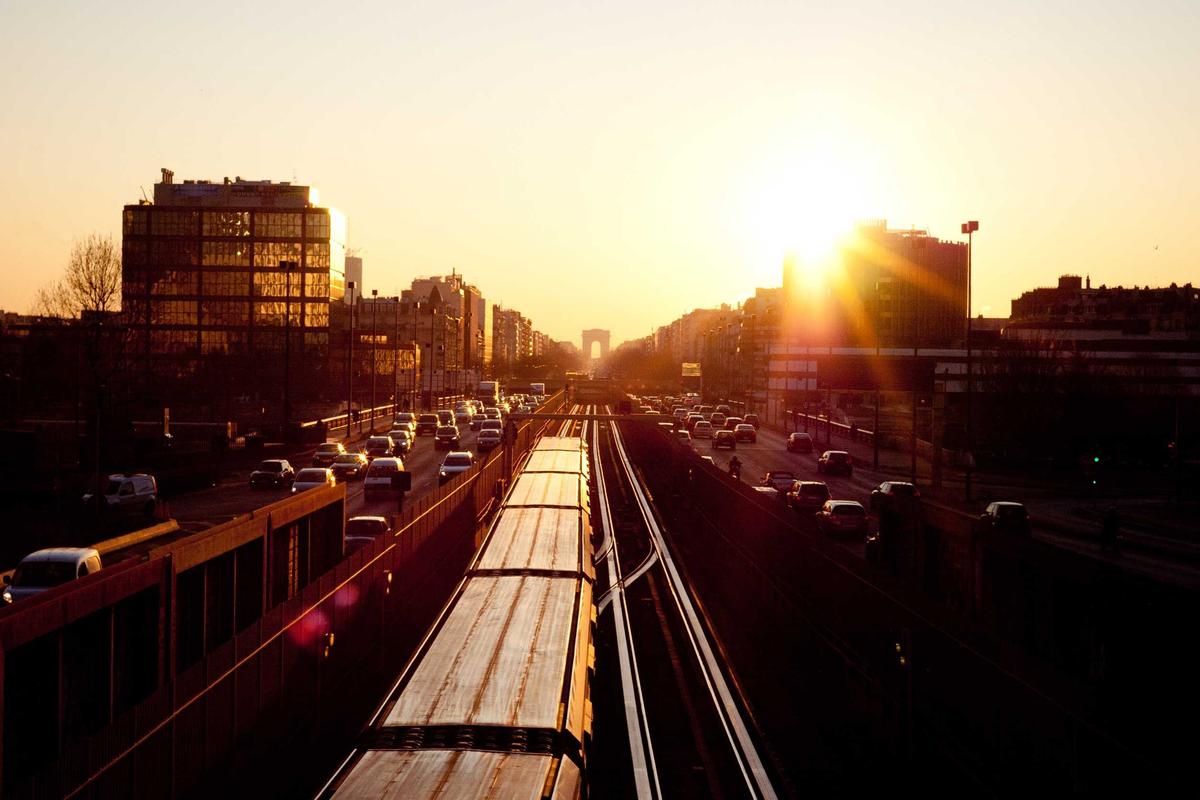
Let us begin with the trains. The railways, that cherished Victorian inheritance, did not melt into a puddle of rust and recrimination. The power grid did not collapse into a Dickensian blackout. The water supply, though strained, did not fail entirely. In short, the fabric of this nation proved more resilient than the chattering classes would have you believe. This is not to deny the occasional delay or the odd burst pipe. It is to say that the hysterical narrative of impending collapse, so beloved by the commentariat, has been exposed as a fantasy.
We live, it seems, in an age that confuses inconvenience with catastrophe. A cancelled train is not the fall of Rome. A hosepipe ban is not the sack of Constantinople. Yet the language of our public discourse has become so inflated that every minor disruption is treated as a portent of apocalypse. The heatwave, in fact, offers a rather delightful corrective. It reveals that the Victorian engineers who built our sewers and our railways understood something that their modern successors have forgotten: that robustness, not novelty, is the foundation of civilisation.
Consider the broader cultural implications. For decades, we have been told that national identity is a relic, that borders are obsolete, that the very idea of Britain is a colonial hangover. Yet when the sun beats down, it is still Scotland’s record, Scotland’s heatwave, and Scotland’s place within a British narrative. The BBC does not report a ‘European heatwave’ hitting Edinburgh. It is a British event, shared across the four nations, and managed by British institutions. The survival of that fact, in an age of relentless globalist rhetoric, is itself a minor miracle.
Intellectuals like me are supposed to scorn such parochial triumphs. We are meant to point out that the heatwave is a symptom of climate change, that the infrastructure is pathetically inadequate, that we are all doomed. But I cannot muster the requisite despair. The trains ran. The hospitals coped. The nation did not dissolve. There is, in that stubborn fact, a quiet heroism that deserves a moment of appreciation.
Of course, the usual suspects will demand ever more state intervention. They will call for new taxes, new regulations, new committees to monitor our carbon footprint. They will insist that the heatwave proves the need for more bureaucracy. But the evidence of this week suggests otherwise. The old ways, the cautious ways, the incremental improvements that have characterised British governance for centuries, worked. They were not perfect. They never are. But they were sufficient.
We are told that the youth are in despair, that they see no future. I wonder whether a record-breaking summer might, just might, give them a different perspective. Not a denial of climate change, but a glimpse of human resilience. The heatwave will end. The records will be broken again. And British infrastructure, that creaking colossus of tradition and pragmatism, will endure. It is, after all, what we do.
Let the alarmists have their headlines. I will take my 34.6°C and my working trains. That, dear reader, is a victory worth having.