A British climbing guide has survived six days on the unforgiving slopes of Mount Everest with nothing but a single chocolate bar and melted ice. The rescue, which has drawn praise for British mountaineering protocols, highlights the stark reality of life for those whose work takes them to the world’s most dangerous workplaces.
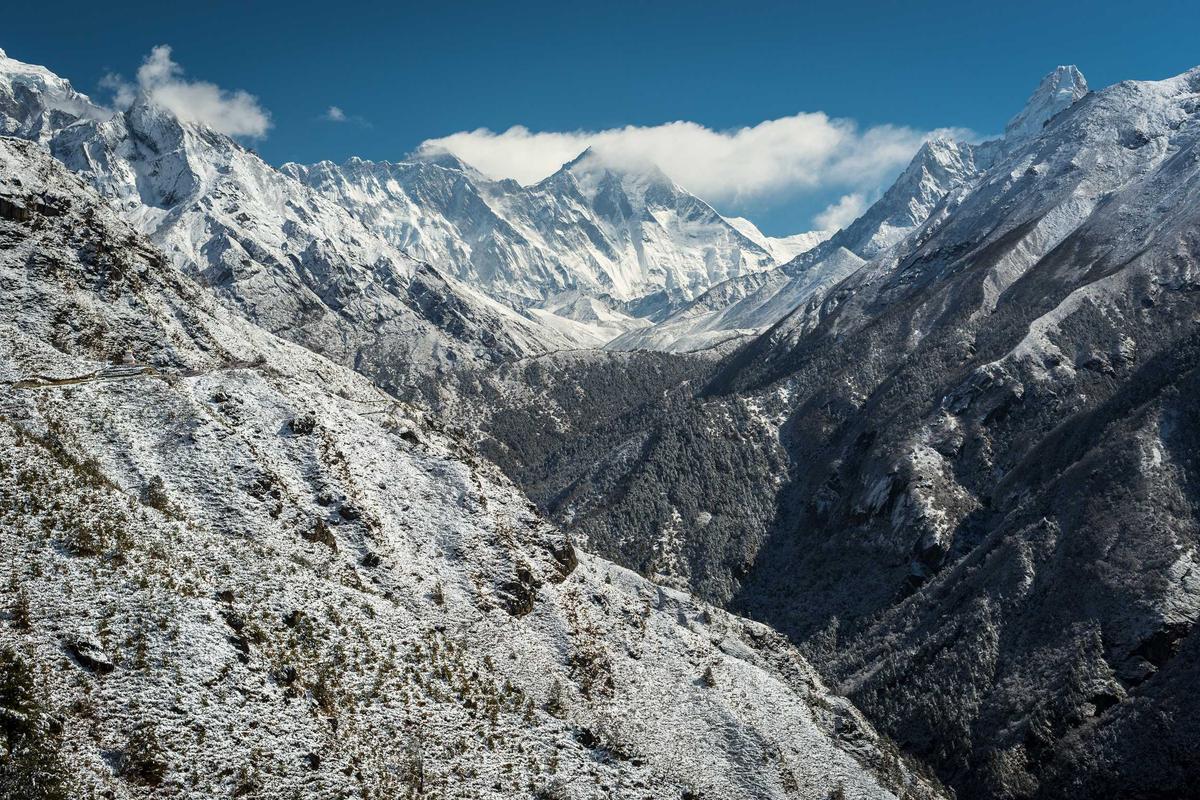
John Clarke, 52, from Cumbria, was part of a commercial expedition when a sudden storm separated him from his team at an altitude of 7,200 metres. For nearly a week, he huddled in a crevasse, rationing his last chocolate bar and drinking water melted from snow. He survived temperatures of minus 30 degrees Celsius and oxygen levels that would fell most.
“I knew if I panicked, I’d burn through my energy. I had to stay calm, conserve heat, and pray the weather cleared,” Clarke told reporters from a hospital in Kathmandu. He lost his satellite phone in a fall, and his team had called off the search after two days, assuming the worst.
But on the sixth day, a Sherpa team spotted his bright orange jacket. Clarke was airlifted to safety by a Russian military helicopter, his hands and feet showing early signs of frostbite. Doctors say he will make a full recovery.
The rescue operation has been hailed as a triumph of British mountaineering protocol. The Mountaineering Council of Scotland and the British Mountaineering Council have long advocated for strict safety standards on the peak. The guide’s survival has been attributed to his training, which emphasised steady rationing of supplies and psychological resilience.
But for those who follow the economy of adventure, the story cuts deeper. Guides like Clarke are the backbone of the Everest industry, working for fees that often fall short of the risks. The financial rewards for Sherpas are even thinner, with families left to bear the cost of tragedies. This survival, while remarkable, does little to address the widening gap between the costs of high-altitude work and the compensation provided.
“Every season, we hear about another near miss. The industry is booming but the workers are barely surviving,” said a union representative for Himalayan guides. “We need better support, better insurance, and real pay that reflects the danger.”
Clarke’s employer, a British-run expedition company, has declined to comment on his contract. But his survival is a testament to the resilience of those who live on the edge of the world and the thin margins of their trade.
For now, the focus remains on Clarke’s recovery. He plans to return to work next season. “The mountain doesn’t care about your pay cheque,” he said. “But the rest of us should.”